







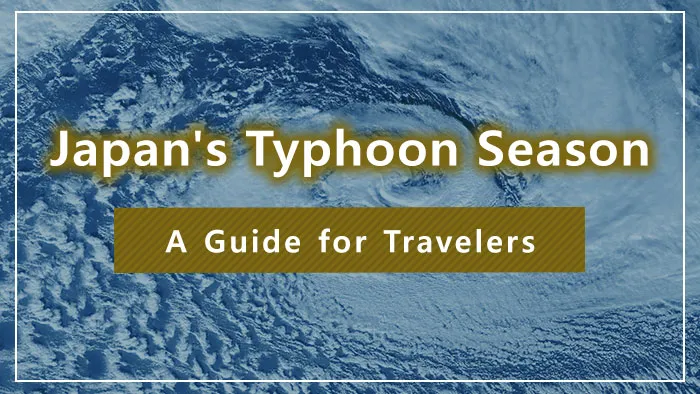
Each year, Japan experiences typhoon season from summer through autumn. While clear weather often continues throughout a trip, depending on the timing and region, travelers may encounter strong winds and heavy rain. Particularly in Okinawa and Kyushu, flights and ferries may be canceled, and the Shinkansen and local trains may be delayed, so it is important to understand the basics in advance.
This article provides an easy-to-understand overview of the characteristics of Japan’s typhoon season, its impact on travel, and key points for staying safe.

1. Introduction to Japan’s Typhoon Season
大型で猛烈な #台風4号 は、明後日16日頃まで北上したあと、北東方向へ向きを変えて日本から遠ざかっていく見込みです。衛星画像では依然として眼がしっかり見えていて、きれいな渦を巻いています。 pic.twitter.com/V0zKrokhPK
— 台風科学技術研究センターTRC【公式】@横浜国立大学IMS (@TRCatYNU) April 14, 2026
In Japan, typhoons are more likely to approach and make landfall from summer to autumn. In many cases, you can travel as usual, but depending on the region and timing, there may be impacts on transportation and tourist facilities. To enjoy your trip safely, it is helpful to understand the characteristics of Japan’s typhoon season in advance.
1-1. When is Japan’s typhoon season?
Japan’s typhoon season generally runs from May to October. August and September in particular see a higher number of typhoons forming and approaching, and travelers should be cautious of strong winds and heavy rain across many regions.
Although roughly 20 to 30 typhoons form each year, only a portion of them make landfall in Japan. Okinawa and Kyushu tend to be affected earlier than Honshu, and flight or train delays may occur during a trip. That said, Japan has well-developed disaster prevention and transportation information systems, so by checking the latest updates, travelers can often continue their journey.
1-2. Which regions in Japan are most affected by typhoons?
In Japan, southwestern areas such as Okinawa Prefecture and Kagoshima Prefecture tend to be most affected by typhoons. Okinawa Prefecture in particular lies along the path that typhoons typically take as they move north from the Pacific Ocean, so several typhoons approach the region each year. The Kyushu and Shikoku regions also frequently experience strong winds and heavy rain from summer to autumn.
In contrast, Hokkaido sees relatively few typhoons, but heavy rain can still occur even after a typhoon transitions into an extratropical cyclone. Risks vary by destination, so it is important to check the weather information for your specific area before traveling.
1-3. How typhoons in Japan affect travel
When a typhoon approaches, delays and cancellations may occur on flights, the Shinkansen, conventional train lines, and ferries. Strong winds and heavy rain can also cause outdoor facilities such as theme parks, observation decks, and seaside activities to close. In some areas, roads may be closed or landslide warnings may be issued, making it difficult to travel as planned.
Coastal and mountainous areas require particular caution. While Japan has strong disaster preparedness systems in place, travelers themselves should also check the latest information and prioritize safety in their decisions.
2. Travel Tips for Visiting Japan During Typhoon Season
It is entirely possible to enjoy a trip to Japan during typhoon season. However, since weather can affect transportation and tourist facilities, advance preparation and information gathering are essential.
By building flexibility into your itinerary and staying informed, you can remain calm and safe even when a typhoon approaches.
2-1. Build a flexible itinerary
When traveling to Japan during typhoon season, it is important not to pack your schedule too tightly. When a typhoon approaches, flights may be canceled and the Shinkansen, local trains, and highway buses may suspend service. In Okinawa and Kyushu in particular, the effects can sometimes last for an extended period.
It is reassuring to plan with extra time, such as avoiding important commitments the day after a travel day or staying multiple nights in the same city. Checking the cancellation policies of your accommodations and the refund conditions of transportation providers in advance will also make it easier to adapt to sudden changes.
2-2. Check the latest typhoon information
Before and during your trip, check the latest weather and transportation information frequently. In Japan, typhoon information is updated regularly on television, news apps, radio, and the official websites of rail companies. The official website of the Japan Meteorological Agency provides typhoon track forecasts, warnings, and rainfall information.
Checking the official websites of airports and rail companies also makes it easier to keep track of delays and cancellations. Always check the latest information before heading out, and prioritize safety in your actions.
2-3. Prepare food, drinking water, and emergency supplies
It is wise to prepare necessary items early, before a typhoon approaches. At convenience stores and supermarkets, drinking water, bread, and cup noodles may sell out. Mobile batteries, flashlights, rain gear, and waterproof bags are also useful. Important documents such as your passport, cash, and airline tickets should be stored in a waterproof bag.
It is also important to charge your smartphone or tablet in case of power outages or transportation disruptions. Since you may need to wait at your hotel for an extended period, it is helpful to bring books, videos, or other ways to pass the time.
2-4. Identify appropriate evacuation sites
If a typhoon approaches during your trip, first check the situation with the staff at your accommodations and follow their guidance. Attempting to travel in strong winds and heavy rain can lead to falls or transportation-related trouble.
If trains or flights are suspended, it may be safer to stay at your hotel rather than forcing your way to an airport or station. On the other hand, if local authorities issue evacuation advisories, or if you are staying near the coast, a river, or in a landslide warning area, move to an evacuation site as early as possible. Checking the locations of nearby evacuation shelters in advance will give you peace of mind.
2-5. Have several indoor alternatives ready
When traveling in Japan during typhoon season, it is a good idea to plan indoor activities you can enjoy on rainy days. Museums, aquariums, shopping malls, observation facilities, onsen (Japanese hot springs), and indoor theme parks are all sightseeing spots that are easy to enjoy in bad weather. Many Japanese cities also have extensive underground shopping streets and facilities directly connected to train stations, making it easy to get around even in the rain.
By including indoor activities in your itinerary, you can more easily adapt to sudden changes in weather. On days when a typhoon hits, do not push to continue sightseeing — prioritize spending time in a safe place.
3. Japan’s Typhoon Season | Frequently Asked Questions
Here are some of the most frequently asked questions from travelers about Japan’s typhoon season. By understanding the risks of typhoons, how to gather information, and what to be careful of after they pass, you can stay calm and act with confidence during your trip.
3-1. How serious is the damage caused by typhoons in Japan?
Depending on the region and the typhoon’s path, typhoons in Japan can cause serious damage. Strong winds can damage buildings, and heavy rain can lead to flooding and landslides.
However, Japan has well-established disaster prevention systems and weather information services, and most people take steps to evacuate or ensure their safety in advance. Travelers should also check warnings and evacuation advisories, and avoid approaching dangerous areas.
3-2. Where can travelers find information about typhoons?
Travelers can find typhoon information on the official website of the Japan Meteorological Agency. Typhoon tracks, warnings, and rainfall information are available in multiple languages, making it a useful resource during your trip.
The official websites of airports and rail companies also provide updates on cancellations and delays. Consulting with hotel staff is another effective option. Always check the latest information before traveling, and prioritize safety in your decisions.
3-3. What should you do after a typhoon passes through Japan?
Even after a typhoon has passed, conditions do not always immediately return to normal. Rising river levels, landslides, fallen trees, and power outages can continue. Check safety information released by local authorities and transportation providers, and avoid approaching dangerous areas.
In addition, trains and flights may take time to resume operations due to safety inspections. Always check the operational status before traveling.
Conclusion
Japan’s typhoon season can affect travel plans, but with preparation in advance, you can respond calmly. In particular, it is important to check the latest weather and transportation information and to build extra time into your itinerary.
By also considering indoor sightseeing alternatives, you can continue to enjoy your trip even when the weather takes a turn. Understand the characteristics of typhoon season, stay flexible in your actions, and enjoy your trip to Japan with peace of mind.
*This article is based on information available as of May 2026.