







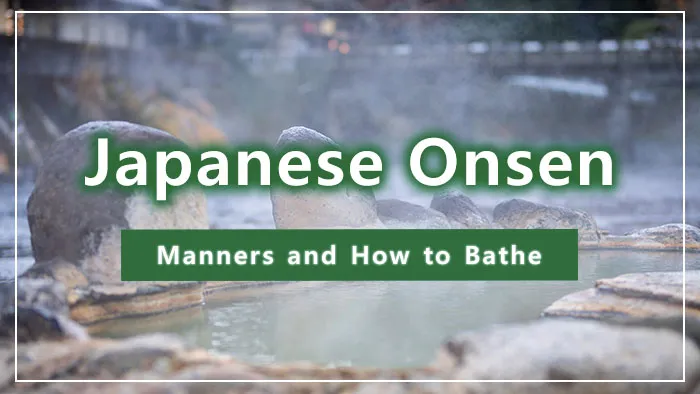
Japan’s onsen represent a one-of-a-kind bathing culture rooted in nature. Thanks to Japan’s many active volcanoes, hot springs with a wide variety of mineral compositions bubble up across the country, offering travelers the chance to relax and sightsee at the same time. Far more than just a warm bath, onsen have evolved into spaces where visitors can experience local history, scenery, and culture.
That said, Japanese onsen come with their own set of rules and etiquette that can feel unfamiliar to first-time visitors. This article explains the types of onsen and how they work, as well as bathing procedures and basic manners — all in a straightforward way. By understanding the key points in advance, you’ll be able to enjoy Japan’s onsen with confidence.

1. What Is a Japanese Onsen?
Japanese onsen use naturally heated water that rises from underground. Hot spring destinations (onsen-chi) can be found throughout the country, making it easy to combine relaxation with sightseeing. Onsen are far more than just a bathing experience — they have grown into spaces where visitors can connect with nature, history, and local culture. Even first-timers can enjoy them comfortably once they understand the basics.
1-1. Common Types of Onsen
Japanese onsen come in a variety of forms depending on how they’re set up and used. Day-use onsen (higaeri onsen) allow visitors to drop in without a reservation for a quick soak, with entry fees typically ranging from a few hundred yen to around 2,000 yen. Onsen at hotels and ryokan (traditional Japanese inns), on the other hand, are often reserved for overnight guests and offer a more tranquil bathing environment.
Bath types also vary widely. Rotenburo are outdoor baths where you can soak while taking in the surrounding scenery. Indoor baths (uchiyu) offer a more sheltered experience. Kashikiri-buro are private baths that can be reserved for exclusive use by families or couples. And for a low-key introduction to onsen culture, ashi-yu (foot baths) can be found at many hot spring towns and are a great way to dip in without fully undressing.
5 Recommended Bathhouses and Hot Springs in Osaka | Basic Bathing Etiquette Included
Introducing the Charms of Sagano Onsen Tenzan no Yu in Kyoto!
1-2. Benefits of Bathing in an Onsen
Soaking in an onsen allows the warm water and its mineral content to work on your body in a number of beneficial ways. The heat promotes blood circulation and helps loosen tense, tired muscles, making it much easier to relax.
Different types of onsen offer different effects. Sulfur-rich onsen (iou-sen), for example, are said to leave skin feeling noticeably smooth, while sodium chloride onsen (sodium chloride-sen) are known for helping the body retain warmth long after you’ve stepped out of the bath. Bathing in a calm, peaceful environment also helps settle the mind and may help reduce stress. Onsen are particularly popular with travelers as a way to recover from the physical demands of sightseeing.
1-3. How an Onsen Works: The Basics
At an onsen facility, you start by paying the entry fee at the front desk, then head to the changing room to undress. Many facilities provide towels and yukata (light cotton robes); the yukata is worn when moving around the facility or resting between baths.
The bathing area is divided by gender, and in addition to the bathing pools, each side has a dedicated washing area (araiba). Visitors are expected to wash their bodies thoroughly at the washing area before stepping into the communal bath. Water temperatures typically range from 38°C to 42°C (100°F to 108°F).
Japanese onsen are designed with a clear distinction between “the place for washing your body” and “the place for soaking in the water.” Understanding this setup makes it easy for first-time visitors to navigate the experience with confidence.
2. How to Bathe at a Japanese Onsen and Basic Etiquette
At a Japanese onsen, cleanliness and consideration for other bathers are of the utmost importance. If you’re visiting for the first time, knowing the general flow and basic rules beforehand will put you at ease. There is etiquette for every stage — before, during, and after your bath — each of which exists for a good reason.
Here is a step-by-step rundown of the manners to keep in mind for an enjoyable onsen experience.
Bathing Etiquette and Guidelines for Japanese Public Baths and Hot Springs
2-1. Before You Bathe: Basic Etiquette
At the entrance to the onsen, remove your shoes and place them in the designated area. Then proceed to the changing room and undress completely. For hygiene reasons, swimwear is not worn in Japanese onsen.
Store your belongings in a locker or basket, keeping valuables secure. Glassware and fragile items should be left out for safety, as many people move around the bathing area without clothing and accidents can happen easily. Following the rules from the very start ensures a smooth and stress-free experience for everyone.
2-2. Shower First: The Golden Rule
Before entering the bathing pool, you must wash your body thoroughly at the washing area (araiba). Sit on one of the provided stools, and use soap and shampoo to clean your body and hair. Rinse off all suds and residue completely before getting into the bath.
Because the onsen water is shared by all bathers, it’s essential to enter the pool in a clean state. Washing your body or hair inside the bathing pool is strictly prohibited. Think of it this way: soaking in the bath is “for warming the body,” while washing is “done at the washing area.” Following this flow helps maintain a comfortable and hygienic environment for everyone.
2-3. Towel Etiquette
At an onsen, you’ll use a small towel, but it must never be submerged in the bathing pool. Rest it on the edge of the tub or place it folded on top of your head while you soak.
Before and after bathing, you may use the towel to cover yourself as you move around. Large bath towels are for use in the changing room only and should not be brought into the bathing area. Respecting towel etiquette is key to keeping the bath water clean and hygienic for all.
2-4. Etiquette While Bathing
While soaking, be mindful of those around you and conduct yourself calmly and quietly. Conversation is perfectly fine, but keep your voice at a low, relaxed level. Since the onsen is a place for unwinding, composed behavior is expected.
If you have long hair, tie it up so it doesn’t fall into the bath. Jumping in or swimming in the pool is strictly prohibited. As the floors can be slippery, always walk slowly and carefully.
Photography is not permitted inside onsen facilities, so please be mindful of this rule. Long soaks can place strain on the body, so it’s advisable to limit each session to around 10 to 15 minutes. Avoid bathing after drinking alcohol, and make safety a priority throughout your visit.
2-5. After Your Bath: Etiquette and How to Spend Your Time
Before leaving the bathing area, lightly pat your body dry with your small towel. Walking straight into the changing room while still dripping wet will make the floor slippery and wet for others. Once in the changing room, use your large bath towel to dry off thoroughly before getting dressed.
Depending on the facility, you may find relaxation lounges, massage chairs, cold drinks, or light snacks to enjoy after your bath. Rehydrating and resting quietly after soaking is important for your body. Taking time to let your body settle will help you fully savor the restorative feeling that onsen are known for.
2-6. Rules Regarding Tattoos
Some onsen facilities in Japan have restrictions on tattooed guests, a policy rooted in cultural and historical reasons.
In recent years, however, rules have been relaxing and policies vary from facility to facility. Many places now allow guests to cover their tattoos with waterproof patches in order to enter, and the number of facilities that welcome tattooed visitors outright is growing. That said, some establishments still decline entry to guests with tattoos, so it’s always worth checking in advance. If you’re concerned, opting for a kashikiri-buro (private bath) or a private room bath will let you enjoy the onsen experience without worry.
3. Mixed-Gender Bathing and Tips for Couples
Japanese onsen are generally divided by gender, but some facilities offer the option of bathing together. Couples who want to share the experience also have dedicated options available to them. Understanding the features and rules of each type before you visit will help you relax and make the most of your time.
Here is what you need to know about konyoku (mixed-gender bathing) and onsen options for couples.
3-1. What Is Konyoku (Mixed-Gender Bathing)?
Konyoku refers to bathing pools where men and women soak together. While these baths have become less common over time, they can still be found, particularly at onsen resorts surrounded by nature.
At some konyoku facilities, bathers may wrap a towel around themselves or wear a dedicated bathing garment (yuamigi) when entering the water. Other facilities restrict the use of towels in the bath, so it’s important to check the specific rules before visiting.
Being especially considerate of other bathers is essential in a konyoku setting. Staring at other guests or behaving in any way that causes discomfort is not acceptable. Lingering near the entrance for extended periods can also make it difficult for others to enter or exit, so be mindful of your positioning. Beyond standard onsen etiquette, an extra level of awareness and respectful behavior is expected.
3-2. How Couples Can Bathe Together (Private Onsen)
Couples who would like to bathe together can opt for a kashikiri-buro (private reserved bath) or a room with its own private rotenburo (outdoor bath). These options provide a fully private space, so you can relax without any concern about other guests. Kashikiri-buro are typically reserved for around one hour at a time, making them a casual and enjoyable way to experience onsen together.
Room-based plans, on the other hand, allow you to use both your accommodations and the onsen simultaneously, and often include meals and extended rest time for a leisurely stay. Pricing varies depending on what’s included: kashikiri-buro are relatively affordable, while room plans with a private bath tend to be on the higher end.For those who feel uncomfortable with konyoku or simply want a more intimate experience, a private onsen is the ideal choice.
Conclusion
Japanese onsen offer a remarkable combination of nature, culture, and relaxation all in one experience. Understanding the different types and facilities makes it easier to find the onsen that’s right for you. By following the basic etiquette — washing before you soak, handling your towel properly, and being considerate of others — anyone can enjoy a comfortable visit.
With a growing range of options including konyoku and kashikiri-buro to suit different preferences, there’s an onsen style to match every purpose. Take the time to familiarize yourself with the rules, stay mindful of those around you, and you’ll be able to truly immerse yourself in Japan’s distinctive onsen culture. We highly recommend adding an onsen experience to your travel itinerary — it’s sure to become a highlight of your trip.
*This article is based on information available as of April 2026.