








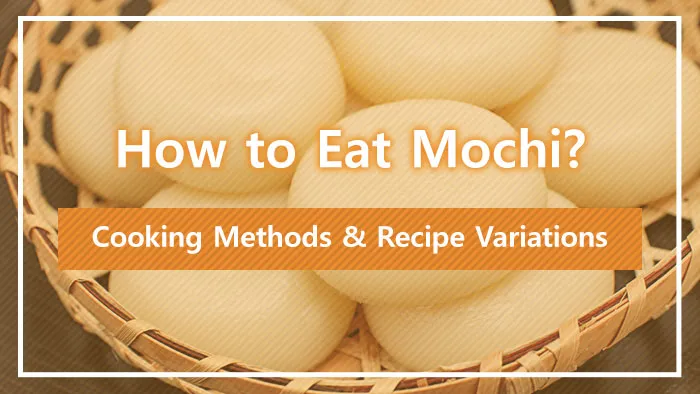
Mochi has been cherished as a symbol of Japanese food culture since ancient times as a traditional food. Made simply by steaming glutinous rice, this humble ingredient offers strong stickiness and a mild sweetness that can be applied to many dishes, appearing everywhere from everyday home cooking to festive meals. In addition to classic toppings like soy sauce, kinako, and anko, mochi offers diverse appeal through regionally distinctive dishes like ozoni and zenzai, with preparation methods varying from household to household.
This article explains the basic characteristics of mochi, popular ways to enjoy it, and creative recipe variations. Discover the charm of mochi, which connects tradition with everyday life.

1. What is Mochi?
Mochi is a traditional Japanese food made from steamed glutinous rice, characterized by strong stickiness and a soft, chewy texture. In Japan, mochi has long been used as an offering to the gods and has been passed down as an essential food for New Year celebrations and seasonal festivities.
Mochi possesses the simple flavor of rice itself, yet its versatility in pairing with both sweet and savory flavors is part of its appeal. The shape and cooking methods differ by region, and it is widely enjoyed from everyday meals to celebratory feasts. Today, mochi is sold year-round and is popular among international visitors as a symbol of Japanese food culture.
However, mochi is extremely sticky, and choking incidents are reported every year. When eating mochi, cut it into small pieces and chew slowly and thoroughly.
1-1. How to Cook Mochi
There are several methods for cooking mochi, all of which are easy to enjoy.
The most common method is using a toaster oven. Lightly moistening the surface of the mochi with water before cooking helps prevent drying through steam, resulting in a crispy outside and fluffy inside. Grilling in a stovetop broiler or oven is also recommended. After browning one side, flip it and heat thoroughly until it puffs up completely for a deeper flavor.
When using a microwave, you can soften mochi quickly without using fire. Place mochi with a small amount of water in a heat-safe dish or cover with plastic wrap and heat at 500W for 30 seconds to 1 minute. Since overcooking can cause it to burst, adjust in 10-second intervals while checking.
With any method, freshly cooked mochi is extremely hot and stretchy, so take care to avoid burns while enjoying it.
2. 6 Popular Ways to Eat Mochi
Mochi is a traditional food widely enjoyed in Japanese homes and celebrations, and can transform into both sweet and savory dishes depending on the seasoning.
Here we introduce six representative ways to eat mochi that are familiar to Japanese people. Since some dishes show significant regional variation, comparing different regional versions throughout Japan is also recommended.
2-1. Soy Sauce
ファンの多い「風味豊かな有明海苔のいそべ餅カップ入」。
— シャトレーゼ【公式】 (@chateraise_jp) May 10, 2024
再仕込み醤油と淡口醤油をブレンドした特製醤油たれを粉末醤油入りの餅にまぶし、有明産の焼きのりで巻いたいそべ餅です。
小腹がすいた時のおやつにぴったりです😋
byりこ#シャトレーゼ #いそべ餅 pic.twitter.com/qmKgkNFHNI
Soy sauce is the simplest and most popular way to enjoy mochi.Simply dipping grilled mochi lightly in soy sauce brings out the fragrant aroma and rice flavor.
A variation on this is isobeyaki. Wrapping mochi brushed with soy sauce in nori (seaweed) adds aroma and umami, creating an authentically Japanese taste. Additionally, sato-shoyu (sweet soy sauce) made by adding sugar to soy sauce is also widely enjoyed in homes. This sweet-salty flavor blends well with mochi and is popular with everyone from children to adults. Dipping grilled mochi in sato-shoyu creates a glossy surface that makes it even more appetizing.
2-2. Kinako (Roasted Soybean Flour)
🍀日めくりレシピ*1/12🍀
— 奥薗壽子 (@toshiko0813) January 12, 2024
<きな粉みたらし餅>
みたらし餅のバリエーション❗️きな粉をかけると、きな粉餅と砂糖醤油餅の一度に味わえる感じで、めちゃ幸せな気分になれます✌️😆✨
🔻奥薗壽子のなべかまぺえじ🔻https://t.co/wxTuieeMRd
🔸みたらし餅の作り方🔸https://t.co/cnNeh8PDTS pic.twitter.com/AlCpyZZWvm
Kinako mochi is a popular menu item characterized by fragrant aroma and gentle sweetness.It’s completed simply by mixing kinako with sugar and coating grilled or microwaved softened mochi. Adding a small amount of salt enhances the sweetness and adds depth to the flavor.
Kinako is a powder made from roasted and ground soybeans, and has been a familiar ingredient in Japan since ancient times. Its aromatic quality pairs excellently with mochi, creating a simple yet satisfying dish. Some regions also add ground walnuts or sesame mixed with sugar, with taste varying appealingly from household to household.
2-3. Anko (Sweet Red Bean Paste)
🍀日めくりレシピ*4/28🍀
— 奥薗壽子 (@toshiko0813) April 28, 2024
<簡単おはぎ>
もちもち五平餅のお餅に、市販のゆで小豆をかけるだけ。ご飯の粒々が残ったもちもち感が、まさにおはぎ❣️きなこをかけるのも良いね🤤👍💕
🔻奥薗壽子のなべかまぺえじ🔻https://t.co/wxTuieeMRd
🔸もちもち五平餅の作り方🔸https://t.co/0kbs2DRino pic.twitter.com/0C4goxK5Vq
Mochi and anko form a traditional combination that has been loved for generations in Japan. Anko comes in tsubuan (chunky) and koshian (smooth) varieties, which can be chosen according to preference. Tsubuan is characterized by the texture of remaining azuki bean grains, while koshian offers smooth, refined sweetness. The most common method is placing anko directly on softened mochi, though cutting mochi into small pieces and mixing with anko makes it easier to eat.
Additionally, regional variations are abundant, including zunda-an made from edamame and uguisu-an made from green peas. This is a classic preparation that those with a sweet tooth should definitely try.
2-4. Grated Daikon Radish
あげない「揚げ出汁もち」、写真では “荒めの大根おろし” と “ネギ” と “生姜” を加えています。パリふわ餅の食感に出汁が染みて、とても美味しいです。 pic.twitter.com/Gu6OFVPpF6
— 「クランド」クラフト酒のお店 (@KURAND_INFO) January 6, 2021
Karami mochi with grated daikon radish offers a refreshing taste different from sweet mochi dishes. In addition to adding soy sauce or ponzu to grated daikon, some households also combine it with shichimi togarashi (seven-spice chili pepper), katsuobushi (bonito flakes), or miso. The spiciness of daikon harmonizes well with the sweetness of mochi, and its light aftertaste makes it enjoyable as a meal.
This dish pairs well not only with grilled mochi but also with microwaved softened mochi, and is appealing for its easy preparation.
2-5. Ozoni (New Year’s Soup)
Ozoni is an essential traditional dish for Japanese New Year celebrations, but preparation methods vary significantly by region. In the Kanto region, soy sauce-based clear soup with square-shaped kaku mochi is common, while in the Kansai region, white miso-based soup with round maru mochi is frequently seen. Additionally, in parts of Shikoku, white miso ozoni with an mochi is famous.
Ingredients also show regional characteristics, with seafood used along coastlines and root vegetables in mountainous areas, reflecting local features. Ozoni is a dish that symbolizes Japanese culture, and is a representative mochi dish where you can enjoy different flavors while traveling.
2-6. Oshiruko/Zenzai (Sweet Red Bean Soup)
三が日、おしるこであったまりませんか?😊 pic.twitter.com/Zj880y05Qj
— モスバーガー (@mos_burger) January 2, 2025
Oshiruko and zenzai are both sweet azuki bean dishes, but in Japan their meanings differ by region. Generally, oshiruko is a sweet azuki soup with more liquid, made with either tsubuan or koshian. Meanwhile, zenzai has less liquid and is characterized by rich sweetness with remaining azuki bean grains.
In the Kanto region, the distinction is “liquid = oshiruko” and “less liquid = zenzai,” but in the Kansai region, there’s a tendency to call smooth koshian-based soup oshiruko and chunky tsubuan-based soup zenzai. In addition to eating it warm with mochi, some regions also combine it with shiratama dango (sweet rice dumplings), making it widely enjoyed as a sweet treat.
3. Creative Mochi Recipe Variations Are Also Popular
おうちで簡単に作れる、熱々とろ〜り美味しいズボラ飯レシピ
— The Portians (@the_portians) November 20, 2019
🍕オーブントースター餅ピザ
切り餅を2つ用意、表面にケチャップ・ソーセージ・チーズを乗せて、オーブントースターで2〜3分焼いて完成(ピーマンやコーンを乗せると彩りがいい感じ) #ピザの日 pic.twitter.com/PIvXU2keFd
Mochi is a versatile ingredient that can be applied to various dishes beyond the basic methods of grilling, boiling, and frying. In Japanese homes, it’s used as a staple food, side dish, and even dessert, with a wide range of creative recipes being enjoyed.
For example, cutting mochi into small pieces and microwaving creates simple okaki (rice crackers) without using oil. Adding salt or shichimi togarashi to taste makes it a convenient snack or drinking accompaniment. Mochi no nikumaki (mochi wrapped in meat), where mochi is wrapped in meat and grilled, is voluminous and satisfying as a main dish. Gratin-style arrangements combining cheese and bacon are also popular, with mochi’s melting texture blending beautifully into Western-style dishes.For sweet variations, mitarashi mochi-style preparations with sato-shoyu-based seasoning are popular, along with arrangements featuring butter. Maple butter mochi and chocolate butter mochi are simple yet rich-flavored desserts. Garlic butter mochi with added garlic is perfect for snacking, and adding a few drops of soy sauce makes the fragrance even more pronounced.
Seasonal ingredient-based arrangements are also appealing. In spring, sakura mochi-style arrangements wrapped in cherry leaves are popular, while in winter, Japanese-style desserts combining matcha and anko gather popularity. Moffles, made by cooking mochi in a waffle maker, feature a crispy outside and chewy inside texture, and can be enjoyed with favorite toppings like ice cream or kuromitsu (black sugar syrup).
Mochi is an ingredient that can transform into Japanese, Western, sweet, or savory dishes depending on your ideas. In addition to classic preparations, trying easily accessible creative dishes while traveling will allow you to experience Japanese food culture even more deeply.
Conclusion
Mochi has developed as an essential ingredient for celebrations and events since ancient times, but its appeal extends beyond tradition. In addition to classic seasonings like soy sauce, kinako, and anko, refreshing preparations with grated daikon radish and regionally varying ozoni all represent the unique charm of mochi, offering diverse flavors to enjoy.
However, mochi has strong stickiness and choking incidents have been reported, so considerations such as cutting it small and chewing thoroughly are essential. Mochi, which symbolizes Japanese food culture, is an ingredient that can balance traditional flavors with new ways of enjoyment. When visiting Japan, be sure to try mochi dishes.
*This article is based on information available as of December 2025.