








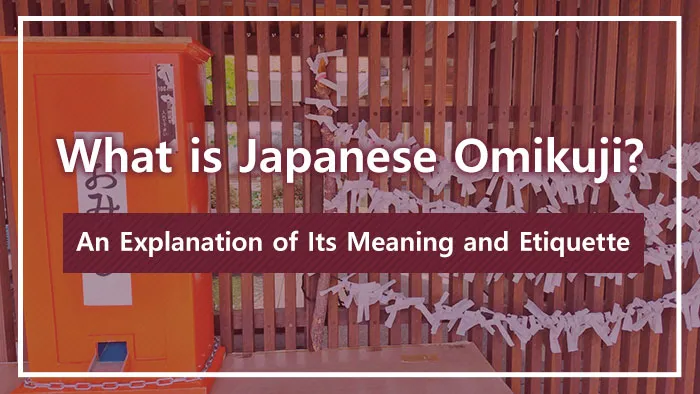
When visiting Japanese shrines and temples, you’ll often see many travelers happily drawing omikuji. However, when trying it yourself, many people find themselves confused, wondering “What do these words mean?” or “What should I do after drawing one?”
This article provides a thorough and accessible explanation of omikuji basics, the process and etiquette of drawing them, the meaning of their contents, and unique omikuji from across Japan that make memorable travel souvenirs. Understanding the meaning of omikuji will make your shrine visit experience in Japan more profound and memorable.

1. What is Omikuji (Japanese Fortune Telling)?

引用:pixabay.com
Omikuji are paper fortune slips that visitors draw at Japanese shrines and temples to read their fortune for the year or daily life. Enjoyed casually as part of the worship experience, they are especially popular during hatsumode (New Year’s shrine visits), when many people draw omikuji to check their fortune for the new year. Omikuji contain not only general fortune levels but also detailed advice on matters affecting daily life, such as romance, money, health, and travel.
1-1. History of Omikuji
The origin of paper-based omikuji dates back to ancient times. According to the Nihon Shoki (Chronicles of Japan), in 658, Prince Arima used paper slips called tanjaku as lots when plotting a rebellion, which is considered the beginning of this practice. Later, around the 12th to 13th centuries in Japan, the custom of drawing lots entrusted to deities and Buddha to make important decisions became widespread. It is said that Minamoto no Yoritomo also used lots as a decision-making tool when relocating Tsurugaoka Hachimangu Shrine.
Furthermore, from the 14th to 15th centuries, this custom spread to common people, and the culture of drawing lots at religious facilities became established. The prototype of modern omikuji was shaped by the spread of Tenjiku Reisen (fortune-telling lots from India) to Japan during the same period, establishing the current style of indicating fortune through poetry.
2. Etiquette When Drawing Omikuji

引用:unsplash.com
When drawing omikuji, there are basic etiquette guidelines not only to respect shrine and temple decorum but also to prepare your heart to receive the message. Here we explain these manners.
2-1. First, Worship at the Shrine or Temple
Before drawing omikuji, it is essential etiquette to complete your worship first. Drawing omikuji is considered an act of receiving words from the deities, and by first offering prayers to express gratitude and respect, you can receive the message with a composed heart.
This also helps you accept the contents more openly and face your situation more honestly. At shrines, after passing through the torii gate, purify yourself at the temizuya (water pavilion), then worship at the main hall following the ritual of two bows, two claps, and one bow.
2-2. Purchase and Draw Omikuji Only Once
It is generally recommended to draw omikuji only once. What matters is not the fortune level itself, but the attitude of accepting the written words as a message directed to your current self.
Sometimes waka poems or short verses are included, and reading them while looking for parts that resonate with you can lead to unexpected insights. Even if you don’t get the result you hoped for, drawing multiple times dilutes the original meaning, so accept the result you drew firmly on the first try.
2-3. Tie Bad Fortunes to Trees
When a bad fortune appears, there is a custom of tying the omikuji at designated places in the shrine. This stems from the idea of entrusting misfortune to the deities for purification.
However, you cannot tie them anywhere; to avoid damaging trees or buildings, always use the tying stations prepared by the shrine or temple. While many people take home good fortunes, you can also keep bad ones if you want to cherish the words.
3. Meaning of the Contents Written on Omikuji

引用:pexels.com
Omikuji contain not only the strength of fortune but also much content related to daily events and behavioral guidance. Here we explain the main categories and their meanings.
3-1. Levels of Fortune
Omikuji have levels representing the magnitude of fortune. Here we introduce the common ranking.
| Daikichi (Great Fortune) | The best fortune state. However, precisely because you’re at the peak, you’re required to stay focused and carefully preserve your current fortune. |
|---|---|
| Kichi (Good Fortune) | Stable good fortune. It is considered unlikely to collapse significantly, and you can spend time with peace of mind for a while. |
| Chukichi (Middle Fortune) | Not as strong as kichi, but not bad fortune. Depending on your mindset going forward, it becomes easier to move in a better direction. |
| Shokichi (Small Fortune) | No major changes, but a fortune where you can feel small happiness. It’s good to pay attention to positive daily events. |
| Suekichi (Future Fortune) | Not sufficiently good right now, but fortune that will open up ahead. An attitude of waiting patiently for the right time is important. |
| Kyo (Bad Fortune) | Current fortune is considered downward. However, if you think “this is the bottom” and use it as an opportunity to reflect on your actions, it’s interpreted that things will improve afterward. |
| Daikyo (Great Misfortune) | Considered the worst state, but there’s also the concept that when darkness reaches its extreme, it turns to light. It’s interpreted as a time to spend carefully without acting rashly. |
3-2. Fortune for Specific Matters
Omikuji contain not only fortune levels but also many items useful for daily actions.
| Wishes (Ganbo) | Fortune regarding wishes you want to fulfill. Words indicating the possibility of achievement and the necessary mindset are written. |
|---|---|
| Awaited Person (Machibito) | Indicates timing for meeting someone you want to see or someone you need. Sometimes refers not to a person but to life-changing events. |
| Romance (Renai) | Advice regarding love fortune. Shows new encounters, timing for decisions, how to approach current relationships, etc. |
| Work/Business (Shigoto/Shobai) | Content related to work fortune and business fortune. Sometimes touches on when to take challenges, points of caution, and money fortune. |
| Learning/Studies (Gakumon/Gakugyo) | Fortune regarding learning. Describes the direction of effort and suggestions for those facing examinations. |
| Health (Kenko) | Shows cautions regarding physical condition and illness. An item that serves as an opportunity to review lifestyle habits. |
| Travel/Moving (Tabidachi/Tenkyo) | Fortune for travel and relocation. Describes the necessity of preparation and suitable timing. |
3-3. Poetry and Aphorisms
The short poems and aphorisms accompanying omikuji are important words that people have long received as clues for reflecting on their actions and state of mind. Poetry shows situations through gentle expressions and gives readers quiet insights. Meanwhile, aphorisms point out cautions through concise expressions and serve as advice for reviewing daily behavior.
While the meaning of poems and aphorisms may not be immediately clear, when you reread them after some time, it’s not uncommon to discover advice you need at that moment. Regardless of fortune level, by keeping the written words in mind and connecting them to your life and choices, you can receive omikuji messages more deeply.
4. Unique Omikuji from Across Japan
The appeal of omikuji includes enjoying the unique local character that reflects regional culture and history. Here we introduce unique omikuji popular across Japan.
・Obihiro Shrine “Shima-enaga Mikuji”
An omikuji featuring the shima-enaga, a wild bird inhabiting Hokkaido, with an adorable fluffy form. With its round body and sparkling eyes, this popular omikuji is often displayed as decoration after drawing.
・Shingu Shrine “Tanuki Omikuji”
At Shingu Shrine in the area known for Shigaraki ware in Shiga Prefecture, you can draw Tanuki Omikuji that utilize the pottery tradition. These are miniature Shigaraki ware pieces made into omikuji, available in yellow and brown.
・Imamiya Shrine “Waka Omikuji”
The omikuji at Imamiya Shrine, which has a history of festivals dating back to the Heian period, feature elegant designs depicting women in junihitoe (twelve-layered ceremonial kimono). They include waka poetry from The Tale of Genji with modern Japanese translations for easy understanding, and feature a subtle fragrance.
Summary
Omikuji are not merely about rejoicing or lamenting over fortune results, but serve as guideposts for receiving messages embedded in poetry and divine guidance, and for adjusting daily actions and mindset. If the fortune is good, stay focused; if bad, accept it positively as an opportunity for improvement—your fortune can be greatly changed by your own choices.
Additionally, categories such as wishes, romance, health, and studies provide hints about challenges and flows you should currently face. When visiting, draw omikuji while thinking about what you want to know, and try incorporating the indicated words into your daily life. By using omikuji as an opportunity to review your actions, you can grasp a better flow of fortune on your own.
*This article was created based on information as of December 2025