







Spring in Japan (March–May) is often perceived as warm, but in reality, temperature fluctuations are significant, and winter outerwear may be necessary on some days. March mornings and evenings tend to be chilly, April's comfort level varies with the weather, and May can approach early summer heat. Regional differences, wind, rain, and pollen all contribute to making this a season where perceived temperature can be easily misjudged.
This article outlines monthly temperature and climate guidelines, explains how to choose clothing to avoid mistakes, and introduces cherry blossom viewing, spring festivals, and spring delicacies.

1. Is Spring in Japan Warm or Cold?
\京都の #遅咲き桜 🌸まだ楽しめますよ!(4/15調査)/
— 京都観光Navi《京都市観光協会》 (@kyo_kanko) April 15, 2025
🔹京北黒田地区:黒田百年桜(開花中)
🔸常照皇寺:九重枝垂桜(散り始め)、左近の桜(満開)、御車返しの桜(五分咲き)
🔹宝泉寺(京北):満開… pic.twitter.com/CVOwFPOUvg
Spring in Japan (March–May) generally sees daytime high temperatures between 10–25°C. Early spring still carries remnants of winter with chilly conditions, while May can feel as hot as early summer. Perceived temperature changes with morning and evening cold, wind, and rain, and regional differences are significant—northern areas are colder while southern regions are warmer.
With relatively low humidity, spring is ideal for walking and sightseeing, though it's also pollen season. Outdoor events increase, making it suitable for refreshment. The temperature variations allow you to enjoy seasonal changes all at once—from cherry blossoms to fresh greenery, seasonal ingredients, and spring festivals.
2. Spring Temperatures and Climate in Japan
\京都市観光協会会員 本山龍池山大雲院さまからイベントのお知らせです/
— 京都観光Navi《京都市観光協会》 (@kyo_kanko) March 21, 2025
🌸大雲院 春の特別公開🌸【PR】
大雲院では、春の特別公開を開催します。
今回の特別公開では本堂・祇園閣に加えて、長らく非公開でありました織田信長・信忠墓碑と石川五右衛門墓碑もお参りいただけます。… pic.twitter.com/cob212xRuT
Spring in Japan brings significant changes in temperature and atmosphere across March, April, and May. Differences between early and late in each month are common, so understanding monthly guidelines provides reassurance. Here, we'll examine the temperature and climate characteristics of each month.
2-1. March Temperatures
March shows large temperature differences from north to south, and even within "spring," the perceived temperature varies. The northern region (Hokkaido, etc.) is when snow melts, but minimum temperatures can drop below freezing, and strong winds make it feel like winter. The central region (Tokyo, etc.) is comfortable during the day, but mornings and evenings are chilly with notable temperature fluctuations. The southern region (Okinawa, etc.) has many warm days, and strong sunshine can create an early summer atmosphere.
| Region | Temperature Range (High/Low) |
|---|---|
| Northern Region (Hokkaido, etc.) | 3–7°C / -7–0°C |
| Central Region (Tokyo, etc.) | 12–16°C / 4–8°C |
| Southern Region (Okinawa, etc.) | 20–23°C / 15–18°C |
2-2.April Temperatures
April sees spring progressing with clear regional differences in perceived temperature. The northern region (Hokkaido, etc.) continues snow melting while mornings and evenings retain winter traces with significant temperature variations. The central region (Tokyo, etc.) sees more comfortable days, though rain and wind can make it feel chilly. The southern region (Okinawa, etc.) approaches early summer with increasingly strong sunshine.
| Region | Temperature Range (High/Low) |
|---|---|
| Northern Region (Hokkaido, etc.) | 9–14°C / 1–5°C |
| Central Region (Tokyo, etc.) | 18–21°C / 8–12°C |
| Southern Region (Okinawa, etc.) | 24–26°C / 18–20°C |
2-3.May Temperatures
May marks the end of spring, with some regions becoming hot enough to feel like summer. The northern region (Hokkaido, etc.) occasionally feels spring warmth, but mornings and evenings tend to be chilly. The central region (Tokyo, etc.) averages around 23°C for highs and 15°C for lows, making it comfortable with daytime warmth resembling early summer. The southern region (Okinawa, etc.) reaches around 27°C for highs and 22°C for lows, approaching summer, with increasing humidity as the rainy season approaches in some years.
| Region | Temperature Range (High/Low) |
|---|---|
| Northern Region (Hokkaido, etc.) | 15–20°C / 6–11°C |
| Central Region (Tokyo, etc.) | 22–26°C / 13–17°C |
| Southern Region (Okinawa, etc.) | 25–29°C / 20–23°C |
3.How to Choose Clothing Suited to Japan's Spring Temperatures
🌸梅もまだ咲いています!🌸
— 京都観光Navi《京都市観光協会》 (@kyo_kanko) March 24, 2025
京都新聞社(@kyoto_np)から、3/23(日)の京都御苑の写真とコメントが届いています!
「京都御苑の梅林では梅の見頃が続いています。暖かな日差しの下、紅白の花が春を感じさせていました」… pic.twitter.com/N7eh31B8O5
Spring in Japan from March–May shows significant temperature variations by region and weather, with chilly mornings and evenings. Here are guidelines for choosing clothing that minimizes mistakes, organized by temperature ranges. Below, we introduce recommended clothing for March, April, and May.
3-1. Recommended Clothing for March
March has large differences between daytime and morning/evening temperatures, so layered clothing that allows quick "removal or addition" is recommended. Anticipating wind and cold, protecting your neck and feet stabilizes perceived temperature. Adding one spring-colored item creates seasonal flair, but prioritize materials with insulation.
| Region | Clothing |
|---|---|
| Northern Region (Hokkaido, etc.) | Heavy outerwear is essential. Use thermal underwear and knitwear, and thoroughly protect the neck, wrists, and ankles. Choose waterproof, slip-resistant footwear prepared for melting snow. |
| Central Region (Tokyo, etc.) | Wear coats for mornings and evenings, removable during the day. Layer light knitwear and shirts with cardigans or light outerwear, adjusting with scarves on windy days. |
| Southern Region (Okinawa, etc.) | Focus on long sleeves and light layers. While daytime allows light clothing, carry a light jacket for evening breezes. Prepare for both sunshine and air conditioning. |
March also brings increased rain, so water-repellent outerwear provides peace of mind. For those concerned about pollen, washable materials are convenient for easy cleaning during travel.
3-2. Recommended Clothing for April
April brings more spring-like weather, but mornings and evenings are cold, and wind or rain lowers perceived temperature. Base your outfit on long-sleeved shirts with removable layers to handle temperature differences without mistakes. Cotton-based materials are easiest to coordinate.
| Region | Clothing |
|---|---|
| Northern Region (Hokkaido, etc.) | Cold remains, so light down jackets or coats are essential. Warm your body with thermal underwear and knitwear, and use scarves to block wind at the neck. |
| Central Region (Tokyo, etc.) | Light during the day but cold mornings and evenings require layering. Combine long-sleeved shirts and light knitwear with cardigans or trench coats. |
| Southern Region (Okinawa, etc.) | Daytime allows light clothing, but prepare for indoor air conditioning and evening breezes. Layer a light shirt over a T-shirt and take sun protection measures. |
3-3.Recommended Clothing for May
May brings early summer weather during the day, but mornings, evenings, and rainy days feel chilly. While more days allow short sleeves, indoor air conditioning and sea or mountain breezes can cool the body, so building your outfit around light layers minimizes mistakes.
| Region | Clothing |
|---|---|
| Northern Region (Hokkaido, etc.) | Long sleeves and light outerwear are basic. While shirts alone work during the day, cardigans or light coats are reliable for mornings and evenings. |
| Central Region (Tokyo, etc.) | This is the transition period between short and long sleeves. Layer a long-sleeved shirt over short sleeves or carry a light cardigan for adjustments. |
| Southern Region (Okinawa, etc.) | Focus on short sleeves with emphasis on sun protection. Carry light long-sleeved shirts or light jackets for air conditioning and evening breezes. |
4.Spring Highlights in Japan
/
— 大阪観光局【公式】 (@Osaka_Tabilog) February 20, 2024
いちごスイーツビュッフェ第2弾
Very Very Strawberry🍓
\
芳醇な香りと甘酸っぱさが特長の #いちご に
相性抜群の素材を組み合わせた #スイーツ 全21種類が登場❕🍰
心ときめくスイーツをご堪能ください💓
🗓️3/8(金)~5/6(月・休)
📍#リーガロイヤルホテル大阪
🔗https://t.co/OVOqh5JVS1pic.twitter.com/1KuFB7jCSJ
Spring in Japan offers landscapes adorned with cherry blossoms, regional festivals, and seasonal delicacies. Here, we introduce how to enjoy cherry blossom viewing, spring festivals, and spring foods.
4-1.Cherry Blossom Viewing
Cherry blossom viewing is a Japanese tradition of enjoying strolls and picnics while viewing cherry blossoms blooming in spring. Its origins trace back to aristocratic cherry blossom viewing during the Heian period, and it spread to commoners during the Edo period when Shogun Yoshimune planted trees at Asukayama, along the Sumida River embankment, and elsewhere.
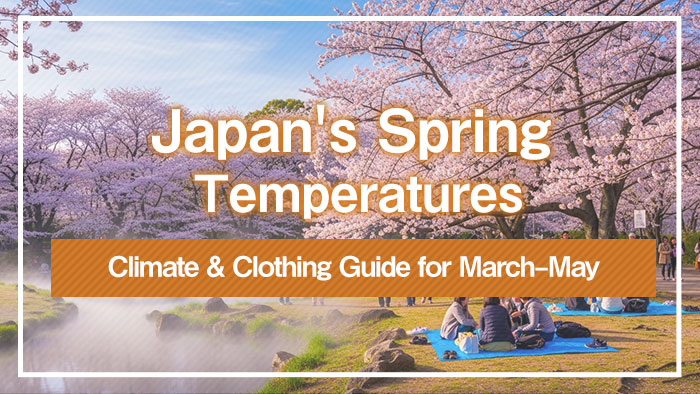
While many people visit famous cherry blossom spots for viewing, the more common enjoyment style is gathering with family and friends under cherry trees to enjoy food and drinks. Bring picnic sheets, warm layers, cooler bags, wet tissues, and garbage bags for peace of mind. Checking restroom locations and crowd levels beforehand helps you stay composed.
Reserve spots according to facility rules, and maintain moderate volume and drinking. Enjoy while being considerate of trees and surroundings: avoid sitting on tree roots, don't hang items on branches, follow designated areas for smoking and open flames, and take your garbage with you.
4-2.Spring Festivals
Spring festivals are held at shrines throughout regions as events coinciding with rice planting and the beginning of agricultural work, praying for bountiful harvests and safety throughout the year. Festivals embody wishes and gratitude to deities, with spring typically centered on "prayers for abundance." Rice planting festivals reenact rice planting rituals, with towns enlivened by sacred music and dance, dances, processions, and food stalls. Some regions feature portable shrines, where you can experience the power of chants and drumbeats. Some venues light paper lanterns at night.
Schedules change yearly, so check official announcements. Purify yourself at the water basin before worship, avoid obstructing passage within shrine grounds, and follow photography permissions and food or drink rules for peace of mind. Cash is convenient for offerings and seal stamps. During crowded times, wait in line, take your garbage with you, and you'll enjoy the experience comfortably.
4-3.Spring Foods
Spring in Japan offers not only cherry blossom viewing but also seasonal delicacies as a major pleasure. Cherry blossom rice cakes, clam soup, butterbur tempura, and Suruga Bay sakura shrimp fritters are classic spring foods. Spring vegetables like canola flowers and bamboo shoots become available and sometimes appear in cherry blossom viewing lunch boxes. For fruits, locally grown strawberries become available, along with citrus fruits like iyo oranges and summer mandarins at their peak.
Furthermore, April–May is new tea season, with increased availability of green tea and matcha sweets highlighting freshly picked fragrance. Convenience stores and supermarkets display cherry-flavored Japanese sweets and cakes, strawberry sandwiches, cherry lattes, and spring-limited bottled beverages, allowing easy seasonal enjoyment even while traveling. At train stations and shopping streets, you may encounter regional specialties like cherry bean paste dumplings, wild vegetable dishes, and spring cabbage savory breads, so trying them while strolling creates travel memories.
Conclusion
Spring in Japan generally sees high temperatures between 10–25°C. March is chilly with lingering morning and evening cold. April brings more comfortable days, and May can be as hot as early summer. Regional differences are significant—colder in the north and warmer in the south—and perceived temperature changes with wind and rain, so layered clothing, light layers, and rain gear provide reassurance. Humidity is relatively low, suitable for walking, but watch for rain and pollen.
Spring in Japan offers many enjoyments including cherry blossom viewing, spring festivals, spring delicacies, and seasonal sweets and drinks. Please experience through travel the bright, cheerful atmosphere born as the long winter comes to an end.
*This article is based on information as of January 2026.