







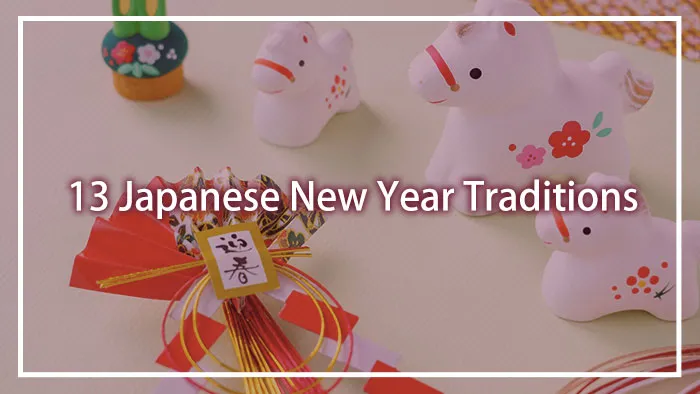
Oshogatsu, the Japanese New Year, is the most important event celebrating the beginning of the year, with diverse traditions passed down through many households and communities. People tidy their homes and purify their hearts at year’s end, preparing to welcome Toshigami-sama. Decorations such as Kagami-mochi and Kadomatsu carry deep meanings, wishing for family safety and prosperity. Additionally, the time families spend together during Oshogatsu enjoying Osechi-ryori and Zoni reflects the richness of Japanese culture.
This article explains New Year customs in Japan. Please read on if you want to learn about the depth and beauty of Japanese culture.

1.What is “Oshogatsu,” Celebrating the Japanese New Year?
🌅あけまして
— CAINZ(カインズ)【公式】 (@cainz_official) January 1, 2024
🌅おめでとうございます
2024年も皆様のくらしが楽しく豊かでありますように🐉
本年もどうぞよろしくお願いいたします🐉
🎍写真はカインズ本部で飾っている門松とベイシアグループメンバー直筆の新年ご挨拶です🎍 pic.twitter.com/YB9fYctSsw
Oshogatsu in Japan is the most important event celebrating the beginning of the year. Generally, the Oshogatsu period continues from January 1st, called Ganjitsu, until January 7th, known as Matsu-no-uchi. Many businesses close during Sanganichi, the first three days from January 1st to 3rd, and families gather to prepare for welcoming the New Year.
At year’s end, people perform Osoji to purify their homes, preparing to welcome Toshigami-sama, the deity of the New Year. Furthermore, decorations using pine and bamboo are placed at entrances, wishing for household safety and bountiful harvests. On Omisoka (New Year’s Eve) night, the custom of eating Toshikoshi-soba, symbolizing longevity, is widely established.
On the morning of Ganjitsu, many people view Hatsuhinode wishing for good fortune in the coming year, and it’s considered a day to avoid work and calm one’s mind. Additionally, many worshippers visit shrines and temples for Hatsumode, praying for health and safety in the new year. These traditions continue to be passed down as symbols of Japanese culture’s spirituality and seasonal awareness.
2. Japanese New Year Traditions and Customs
12月も後半分💨
— イオンネットスーパー【公式】 (@AEON_netsuper) December 15, 2022
みなさんは年末年始の準備は何かしていますか?
私はしめ飾りや鏡餅などを #イオンネットスーパー で買いました😊
無くても年は越せるけど、あるとお正月気分がぐっと上がるので毎年買っています🎍
お買いものはイオンネットスーパー内の注目ワード「しめ飾り」「鏡餅」をチェック👆 pic.twitter.com/Z37nGaKu3W
Japan’s Oshogatsu includes many customs passed down since ancient times. Here, we explain in detail the New Year traditions and customs that symbolize the spirituality of Japanese culture and the changing seasons.
2-1. Year-End Osoji
#くらしのコツ
— 無印良品 (@muji_net) December 5, 2024
大掃除がうまくいく、事前準備と段取りhttps://t.co/vNmKmopSTV
気持ち良く新年を迎えるために、しっかりとうまくやりきりたい、年末の大掃除。
事前に準備しておきたいことと、順調に進む段取りのポイントをまとめました。 https://t.co/yLAGxtXOdL pic.twitter.com/rGt4ZTNjIq
Year-end Osoji is preparation for welcoming Toshigami-sama, the deity of the New Year.In Japanese households, people carefully sweep, wipe, and organize even hard-to-reach places, purifying the entire home. This act not only removes dirt but also serves as a spiritual reset to dispel the old year’s fatigue and worries remaining in one’s heart, welcoming the new year with a refreshed feeling.
The custom of Osoji began in the Heian period, when ceremonies to sweep away a year’s worth of soot spread from the imperial court. Today, it has become an important time for families to share expectations for the coming year by working together to tidy the home.
2-2. Nengajo
【季節】“年賀状離れ”、はがき値上げで拍車か ことし10月に1枚63円→85円にhttps://t.co/aZSuQnZRKc pic.twitter.com/KZElh8Tne5
— ライブドアニュース (@livedoornews) December 8, 2024
Nengajo is a uniquely Japanese custom of conveying gratitude and updates to close acquaintances as New Year greetings. Post offices sell dedicated Nenga-hagaki (New Year postcards) from around October, and people prepare them during December to arrive on Ganjitsu.
While digital greetings have increased in recent years, traditional paper Nengajo retain a warm charm. If travelers send Nengajo while in Japan, it will become a good memory as a participatory experience in Japanese culture.
2-3. Kadomatsu

Kadomatsu are decorations placed at home entrances during the New Year, serving as markers where Toshigami-sama descends. Made by combining bamboo, pine, and plum, each symbolizes longevity and prosperity. Kadomatsu typically come in pairs placed at the entrance, creating a purified atmosphere in front of homes and shops.
The display period is generally from late December until January 7th, Matsu-no-uchi. Travelers visiting Japan can enjoy the festive seasonal atmosphere characteristic of Oshogatsu by viewing Kadomatsu throughout the city.
2-4. Shimekazari (Shimenawa)
🍊お飾りの、ちいさな物語【橙 -だいだい-】🍊
— 【公式】秀〆 Hideshime しめ縄 水引 お正月飾り (@hideshime) November 28, 2025
冬を越えても実が落ちない「#橙」。
「代々家が栄えるように」という願いが込められています。
家族の幸せを願う、祈りの形のお飾りで新年を迎えませんか?
🎍#正月飾り #秀〆 #日本の伝統 pic.twitter.com/bRagNESV9i
Shimekazari are purifying decorations hung at entrances and doorways, serving to prevent evil spirits from entering and prepare for welcoming Toshigami-sama. They combine Shimenawa with lucky items such as Shide (paper streamers), bitter oranges, and pine, wishing for household peace and prosperity. The origin of Shimekazari lies in ancient Shinto beliefs, derived from hanging ropes to indicate sacred places.
2-5. Kagami-mochi
【鏡餅のモチーフは…?】
— ウェザーニュース (@wni_jp) December 27, 2024
いよいよ今年もあと4日をきり、年越し・お正月の準備にとりかからないといけない時期がやってきました。
お正月飾りには欠かせないお供え物「鏡餅」、いつから飾ると良いのか、どこに飾れば良いのかなどを日本鏡餅組合を取材しました。https://t.co/XLZA2nsVS7 pic.twitter.com/rHbNskdYAO
Kagami-mochi is a mochi decoration offered to Toshigami-sama during the New Year. Round mochi are stacked in two tiers with a bitter orange placed on top. The round shape signifies harmony and completeness, while the two tiers of mochi are said to symbolize the cycle of the year and the harmony of yin and yang.
Kagami-mochi are placed in living rooms or Buddhist altars and are believed to protect the home during the New Year period. After the display period ends, families perform Kagami-biraki, breaking and eating the mochi, wishing for a year of safety.
2-6. Toshikoshi-soba
大晦日が少しずつ近づいてきていますね👀
— 和食さと【公式】🍚🥗🍣🍮 (@washoku_sato_PR) December 3, 2025
大晦日のおとも、 #年越しそば の予約が今年も始まりました!!
ボリュームたっぷり、大海老天ぷらをどどーんと2尾お付けした、
和食さと特製年越しそば🥢
しかも12/30までのご予約で早割1️⃣0️⃣%OFFに🎉
みなさまのご予約お待ちしております!!… pic.twitter.com/Ha6gep7SU8
Toshikoshi-soba is a representative Japanese noodle dish eaten on Omisoka. The long, thin soba symbolizes longevity, while its easily breakable nature is said to carry the meaning of cutting off the old year’s hardships. Therefore, many households eat soba on Omisoka night to conclude the year.
Soba restaurants also prepare special Toshikoshi-soba, and scenes of friends and families gathering around soba spread throughout the city. For travelers, Toshikoshi-soba is one easily experienced aspect of Japanese New Year culture.
2-7. Joya-no-kane
【除夜の鐘をついて良き新年を迎えよう🔔】
— 観光三重(三重県観光連盟) (@kankomie) December 26, 2024
詳細 → https://t.co/egbOyTLQ5B
この年末は三重県の寺院で除夜の鐘をついて新年を迎えませんか✨
◎鳴谷山 聖宝寺(いなべ市)
日時:12/31(火) 23:30~24:30
◎新大仏寺(伊賀市)
日時:12/31(火) 23:50~
◎津観音寺(津市)
日時:12/31(火) 23:30~25:30 pic.twitter.com/PREP6C62Dx
Joya-no-kane are temple bells rung at midnight on Omisoka, struck 108 times. This number represents the number of worldly desires in Buddhism, and each strike carries the meaning of purifying one’s heart. The bells begin ringing as the old year ends, timed to finish by midnight.
The time spent quietly listening to the deep sound of the bells is a special moment to calm one’s mind and prepare feelings for welcoming the new year. As a symbol of Japanese Omisoka, Joya-no-kane remains beloved by many people today.
2-8. Hatsuhinode
【絶景】富士山上空からの初日の出、山頂から太陽が昇る「ダイヤモンド富士」もhttps://t.co/AY6AOOr0Rk
— ライブドアニュース (@livedoornews) December 31, 2024
富士山の上空を飛ぶヘリコプターから撮影。日本付近は冬型の気圧配置となり、太平洋側の富士山周辺はよく晴れ、きれいな初日の出が見られた。富士山頂のけさ6時半の気温は-19.6℃だったという。 pic.twitter.com/VVJbOzKK4t
Hatsuhinode is the custom of viewing the year’s first sunrise on the morning of January 1st. Many people head to seasides or mountain observation decks in the early morning, quietly watching the moment the sun rises from the horizon. Hatsuhinode is considered a symbol of hope and new challenges, and it’s believed that bathing in its light brings a good year.
Particularly popular locations are around Mount Fuji, where the experience of viewing Hatsuhinode with majestic scenery provides uniquely Japanese inspiration.
2-9. Hatsumode at Temples and Shrines
_人人人人人人人人人人人_
— 味の素株式会社 (@ajinomoto) January 19, 2024
> 「味の素」を探せ! <
 ̄Y^Y^Y^Y^Y^Y^Y^Y^Y^Y ̄
1月といえば初詣⛩
写真の中にうま味調味料「味の素」が1つ隠れています✨
正解された方の中から抽選で1名様に「味の素」をプレゼント🎁
リプライで回答してくださいね! pic.twitter.com/DQ1stqRovx
Hatsumode is a traditional event of making the first visit to temples or shrines in the New Year to pray for a year of safety and health. Many people visit from midnight on Ganjitsu until the 3rd, putting their hands together before the deities. Famous sites like Meiji Jingu and Fushimi Inari Taisha attract many worshippers every year.
After worship, there are customs of drawing Omikuji to check one’s fortune or receiving Omamori to wish for safety throughout the year. Since travelers can easily participate, it becomes a good opportunity to experience Japanese culture.
2-10. Osechi-ryori
/
— JAPAN AIRLINES【JAL】 (@JAL_Official_jp) November 6, 2025
もうすぐ年末🎍
おせち、まだ迷ってる…🤔🍱
\
という方へ✨
JALのマイルでも交換できますよ💁♀️
飛行機型の人参がかわいい
JALオリジナルおせちなど…✈️
今ならまとめてお申し込みするとおトクに🉐
⇒https://t.co/oOHBPkNOxp
\ #JALMall でも販売中🛒/
ラインナップは下の投稿からチェック👇 https://t.co/PmAk8c8bU7 pic.twitter.com/xII4Bk2w5a
Osechi-ryori is traditional celebratory cuisine eaten during the New Year. The dishes are packed in Jubako (tiered boxes) and arranged on the dining table where families celebrate the new year. Each dish carries wishes for health, longevity, prosperity, and more. For example, shrimp symbolizes longevity, while lotus root represents the power to see into the future.
Osechi-ryori also serves the role of reducing kitchen work during the New Year period, designed so families can spend time relaxing.
2-11. Mochi, Ozoni, and Oshiruko
◤ふるさとのお雑煮はどんな味?◢https://t.co/WjGnQC7neP
— 日本自然保護協会(NACS-J) (@NACSJ) January 1, 2023
お正月といったら「#お雑煮」🍲
日本全国には、地域の文化や自然資源の多様性とともに、実に多種多様なお雑煮があります。
皆さんにとって、馴染み深いお雑煮はどんなものですか?お雑煮マップで、ぜひ探してみてください☺️✨ pic.twitter.com/yWBlx2UjI0
Mochi is a food symbolizing Japan’s New Year, with various shapes and flavors depending on households and regions. Zoni is a soup dish using mochi, with broth and ingredients varying greatly by region. In Kanto, clear broth with square mochi is typical, while in Kansai, white miso-based Zoni is common.
For those wanting to enjoy mochi sweetly, Oshiruko is recommended. It’s a warm sweet made by boiling adzuki beans with added sugar and soft mochi, popular during the cold season. Travelers can enjoy Japan’s diverse food culture by comparing different regional mochi dishes.
2-12. Otoshidama
【調査】小学生に聞いた「お年玉の使い道」、1位は「貯金」https://t.co/tFEazL8NDO
— ライブドアニュース (@livedoornews) January 1, 2025
2024年の正月にお年玉をもらった人の割合は89.7%で、総額は平均2万225円。主な使い道は1位「貯金」(57.9%)、2位「おもちゃ」(25.0%)、3位「ゲーム機・ゲームソフト(オンライン除く)」(23.2%)と続いた。 pic.twitter.com/kXF0EZ2art
Otoshidama is money given to children during the New Year, handed over in envelopes. This custom is one of the great joys for children, typically received from parents, grandparents, and relatives.
The amount varies by household but is generally between 2,000 to 10,000 yen. The origin of Otoshidama is said to derive from people sharing mochi that were offerings to Toshigami-sama, serving the role of deepening family bonds.
2-13. Hatsuyume
【一富士二鷹三茄子】「初夢」はいつ見る夢のこと?
— ライブドアニュース (@livedoornews) January 1, 2023
大きく分けて
①大晦日→元日に見る夢
②元日→2日に見る夢
③2日→3日に見る夢
の3つの説がありますが、実はこれが正しいとはっきりしている説はありません。おのおの都合の良いように捉えて良さそうです。
皆さんはどんな初夢を見ましたか? pic.twitter.com/7A44ujU2p5
Hatsuyume refers to dreams seen from the night of January 1st to the morning of the 2nd, believed to symbolize the year’s fortune. In particular, “First Fuji, second hawk, third eggplant” is known as an auspicious dream. Mount Fuji represents Japan’s greatest height, hawks symbolize strength and wisdom, while eggplant connects to the word “nasu” (to accomplish), considered a symbol of wishes coming true.
The custom of viewing Hatsuyume is a spiritual culture of confirming hopes for the new year through dreams.
Conclusion
Japan’s Oshogatsu interweaves culture nurtured through long history with people’s wishes. The act of purifying homes through year-end Osoji and arranging Kadomatsu and Shimekazari has the clear purpose of preparing to welcome Toshigami-sama. Hatsuhinode and Hatsumode are important milestones for praying for a year’s safety and success, while regional variations of Zoni and mochi dishes convey the breadth of Japanese food culture.
These customs are not merely annual events but continue to be cherished as spiritual support for walking forward positively into the new year. Understanding Oshogatsu culture allows one to more deeply appreciate the spirituality and richness of Japanese life.
*This article is based on information available as of December 2025.