NPB Central League vs Pacific League: What's the difference?
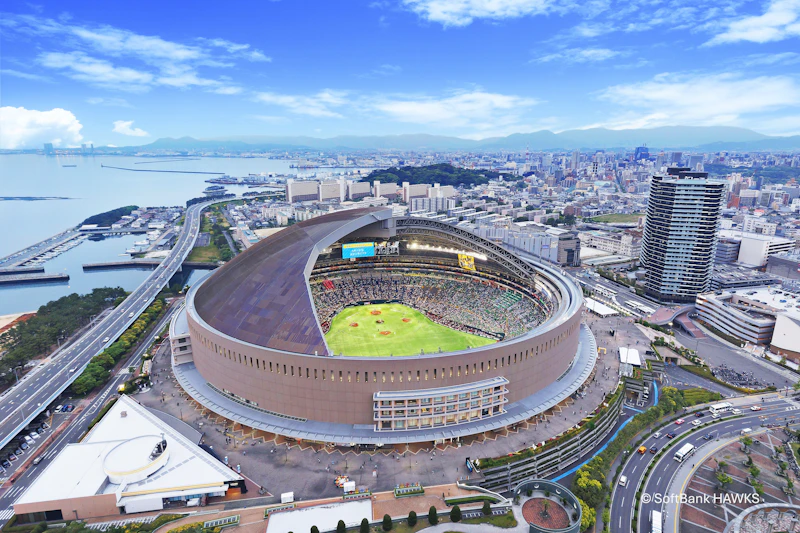


For those who want to enjoy baseball games in Japan, the first stumbling blocks are often questions like "Why is NPB divided into two leagues?" and "What's the difference between the Central League and Pacific League?" NPB is based on the same fundamental rules, but the presence or absence of the DH system (designated hitter) changes how games unfold.
This article explains the structure of NPB, introduces the characteristics of the Central and Pacific leagues and the appeal of all 12 teams, and covers key points to understand before watching games, including which leagues Japanese players who are active in overseas leagues like MLB came from.
Table of Contents
1. What is Nippon Professional Baseball (NPB)
1-1. NPB is Japan's Premier Professional Baseball League
1-2. Organizational Structure of Japanese Professional Baseball
2. Differences Between Central League and Pacific League
2-1. Popularity Trends
2-2. How to Choose Games to Watch
3. Central League Teams
3-1. Yomiuri Giants (Tokyo)
3-2. Tokyo Yakult Swallows (Tokyo)
3-3. Yokohama DeNA BayStars (Yokohama)
3-4. Hanshin Tigers (Osaka/Hyogo)
3-5. Chunichi Dragons (Nagoya)
3-6. Hiroshima Toyo Carp (Hiroshima)
4. Pacific League Teams
4-1. Chiba Lotte Marines (Chiba)
4-2. Saitama SEIBU Lions (Saitama)
4-3. ORIX Buffaloes (Osaka)
4-4. Hokkaido Nippon-Ham Fighters (Hokkaido)
4-5. Fukuoka SoftBank HAWKS (Fukuoka)
4-6. Tohoku Rakuten Golden Eagles (Sendai)
5. Japanese Players Active in Overseas Leagues and Their NPB Origin Leagues
5-1. Ohtani Shohei
5-2. Yamamoto Yoshinobu
5-3. Darvish Yu
5-4. Sasaki Roki
5-5. Suzuki Seiya
5-6. Imanaga Shota
5-7. Senga Kodai
6. Points to Watch in the 2026 Season
Summary
1. What is Nippon Professional Baseball (NPB)
NPB is the organization that governs professional baseball in Japan. Professional baseball under NPB is divided into two leagues: the Central League and Pacific League, with a total of 12 teams participating. NPB supports the foundation of league operations through publishing game schedules, managing official records, and operating the Draft Conference.
When travelers are searching for information, checking the schedule, stadiums, and team names on the official NPB website first will help avoid confusion. Since team names mix English and Japanese notation, it's also helpful to check stadium name notation (e.g., Tokyo Dome). Learning basic terminology before watching games makes stadium announcements easier to understand.
1-1. NPB is Japan's Premier Professional Baseball League
NPB is positioned as Japan's premier professional baseball league. The 12 teams have home bases nationwide and compete in the Regular Season (official games) before advancing to the Climax Series and Japan Series.
In professional baseball viewing, team cheering culture, stadium food, and team-specific performances also add to the appeal.
Even when watching games during travel, once you decide on the schedule and stadium, it becomes easy to incorporate sports viewing as a Japanese experience.
1-2. Organizational Structure of Japanese Professional Baseball
NPB governs two leagues. Both the Central League (Central League) and Pacific League (Pacific League) operate within the NPB framework, treating games from all 12 teams as "NPB official games". In other words, the Central League and Pacific League are not separate companies with different sports, but two leagues within the same NPB.
Understanding the relationship "NPB → Central League/Pacific League → Individual Teams" first makes it easier to research viewing information.
2. Differences Between Central League and Pacific League
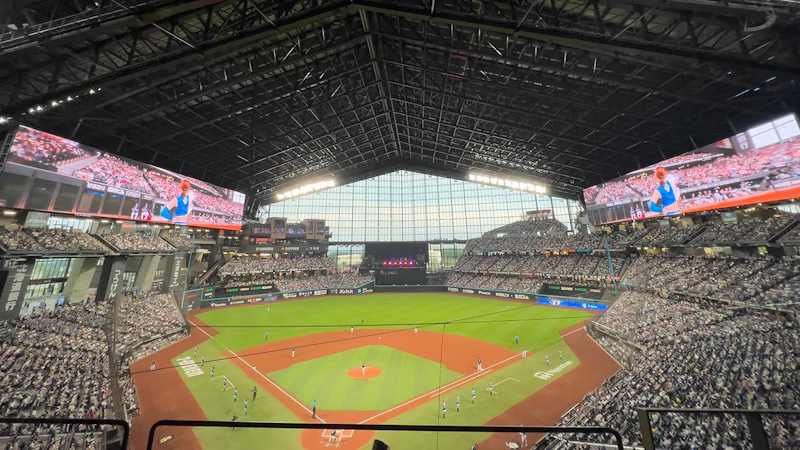
NPB operates a two-league system, with the Central League and Pacific League each having 6 teams. Even though the leagues are different, the basic baseball rules are the same. However, differences in adopting the DH system create variations in game strategy and player utilization approaches.
The DH is a system that allows placing a "batting specialist player" in the pitcher's batting order.
The Pacific League has adopted the DH system since 1975. The Central League continued without DH for a long time, but has officially announced the decision to adopt the DH system starting from the 2027 season. This means as of the 2026 season, the Central League basically operates without DH.
(Source: NPB.jp Nippon Professional Baseball Organization "Notice of 'Central League Decision to Adopt Designated Hitter System (DH System) from 2027 Season'")
Games with the DH system can utilize players skilled in batting "instead of the pitcher". Games without the DH system have pitchers batting, increasing decisions about pinch hitters and pitching changes. Travelers can better predict game development by checking "which stadium to watch games at" as well as "with/without DH".
Aspect | Central League | Pacific League |
|---|---|---|
Number of Teams | 6 teams | 6 teams |
Name Origin | League name with "Central" | League name with "Pacific" |
DH | Generally none (scheduled for introduction in 2027) | Adopted (since 1975) |
2-1. Popularity Trends
There was once an era called "Popular Central, Skilled Pacific". However, this expression is not a fixed evaluation. In recent years, the Pacific League has advanced digital streaming and cross-league marketing, showing growth in attendance as reported. The Central League also has strong support from traditional teams, making it impossible to definitively say which is always more popular.
2-2. How to Choose Games to Watch
This two-league system fights through the Regular Season (official games) to determine "league champions", but then the top 3 teams from each league battle in the postseason "Climax Series", with the winning teams from the Central League and Pacific League facing off in the "Japan Series". The two-league system has established itself as a mechanism that creates clear goals and builds seasonal excitement. Having two leagues also makes it easier to design events like Interleague Play and All-Star Games, increasing entry points for viewing.
Rather than choosing based on the popularity of the Central League or Pacific League, travelers can avoid confusion by selecting based on "accessible stadiums," "players they want to see," "cheering experiences they want to have," or "Climax Series".
3. Central League Teams
The Central League includes teams based in major metropolitan areas like Tokyo, Osaka, Nagoya, and Hiroshima.
Basic information such as each team's founding year and home stadium can be found on the official NPB team pages. Travelers can easily plan viewing by considering the distance between their accommodation city and the stadium, game start times, and nearby tourism.
3-1. Yomiuri Giants (Tokyo)
The Yomiuri Giants are a team based in Tokyo. They have built nationwide recognition through their long history and are easily chosen as an entry point for viewing. Games held at Tokyo Dome are easily accessible and easy to incorporate into travel schedules. For first-time viewers, enjoying the performances visible from the seats and the unity of cheering makes it easier to follow game development.
3-2. Tokyo Yakult Swallows (Tokyo)
The Tokyo Yakult Swallows are a team based at Meiji Jingu Stadium. You can watch games in the city center with smooth post-game transportation. The open-air stadium offers a sense of openness, and night games provide memorable viewing experiences for travelers. Taking a walk around the area before the game and watching from evening creates a distinctly Tokyo way of spending time.
3-3. Yokohama DeNA BayStars (Yokohama)
The Yokohama DeNA BayStars are a team based at Yokohama Stadium. The port city atmosphere is close to the stadium, allowing you to enjoy city walks before and after games. Yokohama is a short trip from Tokyo, making it easy for travelers to plan viewing. Combining with tourism in Chinatown and the port area allows you to naturally incorporate viewing into a full day's itinerary.
3-4. Hanshin Tigers (Osaka/Hyogo)
The Hanshin Tigers are a popular team representing the Kansai region. Hanshin Koshien Stadium has such presence that the stadium itself is discussed as a tourist resource. The unified cheering in the stands also enhances the experiential value of live viewing. Buying light meals in the surrounding area before games and watching while following the cheering rhythm makes it easier to experience the stadium culture.
3-5. Chunichi Dragons (Nagoya)
The Chunichi Dragons are a team based in Nagoya. You can watch games in the central city of the Chubu region, making it easy to create tourism routes. Vantelin Dome Nagoya is a dome stadium, providing a viewing environment less affected by weather. Since you can watch games without worrying about rain or heat, it's easy to schedule for family trips or first-time viewers.
3-6. Hiroshima Toyo Carp (Hiroshima)
The Hiroshima Toyo Carp are a team based in Hiroshima. They have a strong community-based character, with a culture of the entire city supporting the team. Mazda Stadium (MAZDA Zoom-Zoom Stadium Hiroshima) is also praised for the proximity of spectator seats and stadium performances. The stadium has good access from the station, making it easy to attempt viewing even during short stays.
4. Pacific League Teams
The Pacific League features home bases widely distributed from Hokkaido to Kyushu. This makes it easy to choose viewing destinations based on travel regions. Basic team information can be found in the official NPB team index.
Since you can have major stadium experiences even in regional cities, it's easy to plan adding viewing to your travel destinations.
●Game Schedule & Ticket Purchase
Tickets in Japan sells tickets for all 6 Pacific League teams through each team's official channels.
4-1. Chiba Lotte Marines (Chiba)
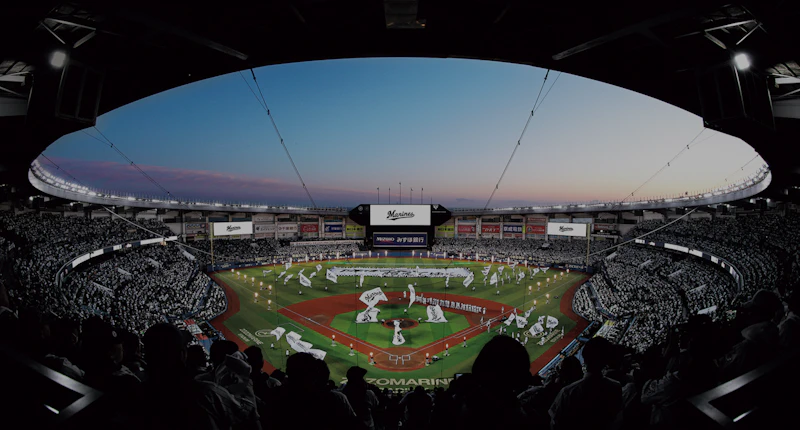
The Chiba Lotte Marines are a team based in Chiba. Games held at ZOZO Marine Stadium are easily accessible for travelers in the Tokyo area. The atmosphere of the outdoor stadium where you can feel the sea breeze is also a unique charm of live viewing. On days with significant temperature differences, preparing a jacket ensures comfort, and comfort directly affects viewing satisfaction.
4-2. Saitama SEIBU Lions (Saitama)
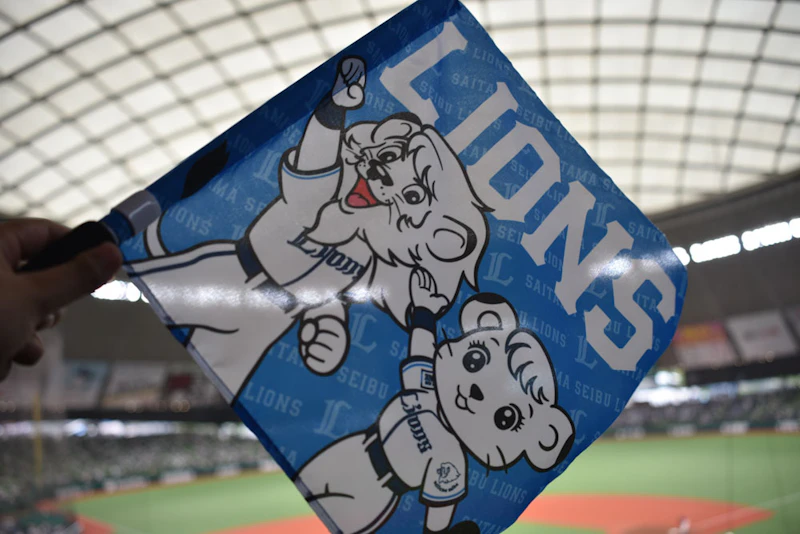
The Saitama SEIBU Lions are a team based in Saitama. They're easily accessible from the Tokyo metropolitan area, making day-trip viewing plans easy to arrange. Viewing at Belluna Dome becomes a memorable experience including the unique stadium space. Estimating travel time and deciding on return transportation in advance allows you to enjoy even night games with peace of mind.
4-3. ORIX Buffaloes (Osaka)

The ORIX Buffaloes are a team based in Osaka. Games are held at Kyocera Dome Osaka, making it a viewing destination with good compatibility with Kansai tourism. Being a dome stadium reduces concerns about rain cancellations. Osaka has many accommodation area options, making it easy to create plans centered around viewing.
4-4. Hokkaido Nippon-Ham Fighters (Hokkaido)
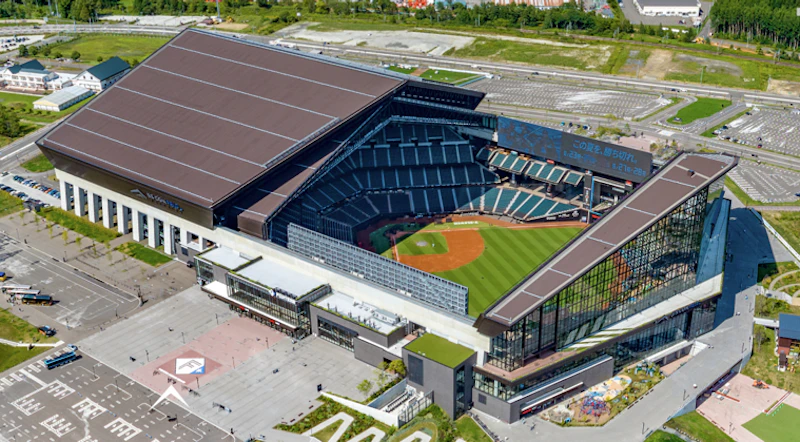
The Hokkaido Nippon-Ham Fighters are a team based in Hokkaido. They're suitable for people who want to incorporate professional baseball viewing into Hokkaido travel. The characteristic feature is the ease of creating stay-type enjoyment including the stadium and surrounding facilities. Arranging sightseeing during the day and viewing in the evening reduces travel burden while making it easier to have a fulfilling day.
4-5. Fukuoka SoftBank HAWKS (Fukuoka)
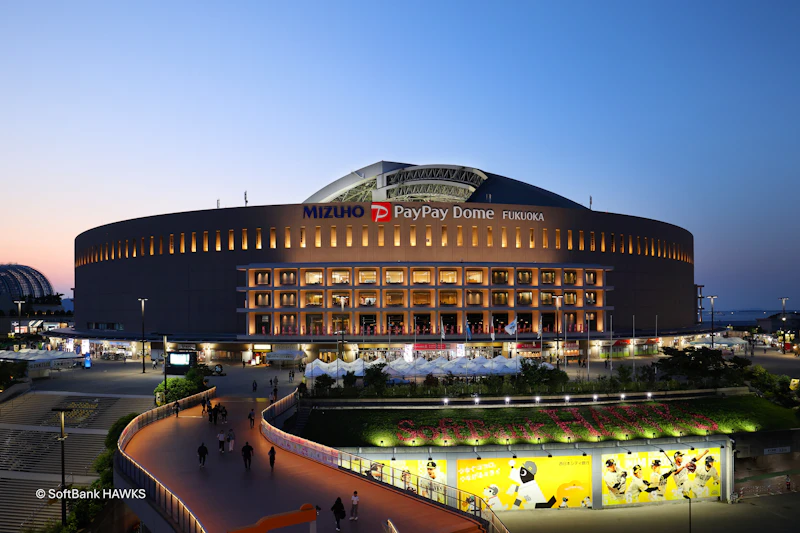
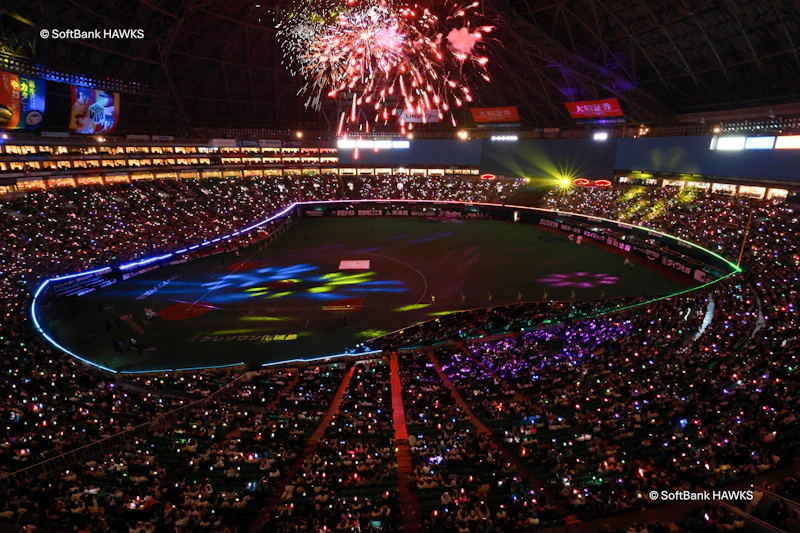
The Fukuoka SoftBank HAWKS are a team based in Fukuoka. Games are held at MIZUHO PayPay Dome FUKUOKA, making it a viewing destination that combines well with Kyushu travel. Dome games being less affected by weather is also reassuring. The good compatibility with Fukuoka's food culture makes it easy to arrange itineraries enjoying local specialty cuisine before and after games.
4-6. Tohoku Rakuten Golden Eagles (Sendai)
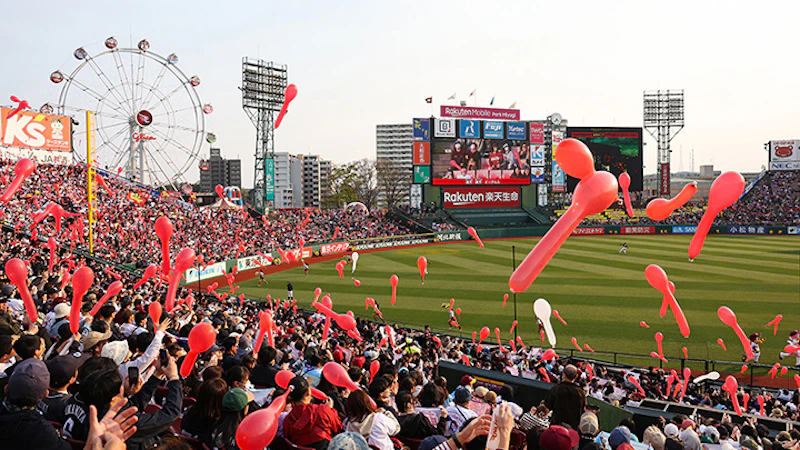
The Tohoku Rakuten Golden Eagles are based in Sendai (Miyagi). Recommended for people who want to enjoy professional baseball viewing during Tohoku travel. Rakuten Mobile Saikyo Park Miyagi is conveniently located for combining with Sendai city tourism. It has good compatibility with staying around Sendai Station, making it easy to create itineraries enjoying viewing and the city's cuisine together.
5. Japanese Players Active in Overseas Leagues and Their NPB Origin Leagues
Many Japanese players active in overseas leagues went global via either the Central League or Pacific League of NPB. Knowing "which league this player came from" during viewing makes it easier to imagine NPB's characteristics. Travelers watching NPB can better understand Japan's regional sports culture by also remembering the regions of players' origin teams.
5-1. Ohtani Shohei
Ohtani Shohei plays for the Los Angeles Dodgers in MLB. In NPB, he belonged to the Hokkaido Nippon-Ham Fighters and came from the Pacific League. Known worldwide as a two-way player (pitching and hitting), he's a symbolic figure who spread Japanese baseball culture overseas. In NPB viewing, being conscious of the differences between pitcher and batter roles allows deeper understanding of Ohtani's greatness.
5-2. Yamamoto Yoshinobu
Yamamoto Yoshinobu plays for the Los Angeles Dodgers in MLB. In NPB, he belonged to the ORIX Buffaloes and came from the Pacific League. He uses the pitching skills cultivated in Japan as weapons in MLB as well. Focusing on pitch types and control reveals pitcher strengths beyond just speed, making viewing more interesting.
5-3. Darvish Yu
Darvish Yu is a pitcher belonging to the San Diego Padres in MLB. In NPB, he belonged to the Hokkaido Nippon-Ham Fighters and came from the Pacific League. However, according to team announcements, he is expected to miss the entire 2026 season due to right elbow surgery. Since the latest playing status changes, please check recent information from team or MLB official announcements before viewing.
5-4. Sasaki Roki
Sasaki Roki is reported to belong to the Los Angeles Dodgers in MLB. In NPB, he belonged to the Chiba Lotte Marines and came from the Pacific League. His overwhelming pitching power in NPB has gained attention worldwide. In NPB, not just fastballs but the construction of breaking balls determines the outcome, so paying attention to pitch sequencing deepens understanding.
5-5. Suzuki Seiya
Suzuki Seiya plays for the Chicago Cubs in MLB. In NPB, he belonged to the Hiroshima Toyo Carp and came from the Central League. He's evaluated as a lineup centerpiece with power and adaptability as weapons. In at-bats, focusing on movements adapting to opposing pitchers' pitch types makes it easier to sense the techniques top hitters possess.
5-6. Imanaga Shota
Imanaga Shota plays for the Chicago Cubs in MLB. In NPB, he belonged to the Yokohama DeNA BayStars and came from the Central League. In the 2025 offseason, he accepted the Cubs' Qualifying Offer and will play for the Cubs in 2026 as well, as reported by MLB official sources. Left-handed pitchers often compete with angles and control, so watching location pitching increases the fun.
5-7. Senga Kodai
Senga Kodai plays for the New York Mets in MLB. In NPB, he belonged to the Fukuoka SoftBank HAWKS and came from the Pacific League. MLB official sources also continuously report on Senga's situation, with his 2026 usage also being a point of attention. In stadium viewing, focusing on pitching tempo and strikeout methods reveals how pitchers take control.
6. Points to Watch in the 2026 Season
For the 2026 season, first understanding "when the season opens" makes viewing plans easier to arrange. According to the official NPB schedule, official games will begin on Friday, March 27, 2026.
(Source: NPB.jp Nippon Professional Baseball Organization "Game Schedule & Results")
Interleague Play is easy to coordinate with travel schedules. Since NPB also publishes Interleague Play game schedules, there's a possibility of seeing Central-Pacific matchups in your accommodation city.
(Source: NPB.jp Nippon Professional Baseball Organization "Central-Pacific Interleague Play 2026")
As mentioned earlier, organizing the DH system as "2026: Central League basically none, 2027: Central League introduction" reduces confusion. Since this is a period close to a rule transition point, please check the latest official information before viewing.
(Source: NPB.jp Nippon Professional Baseball Organization "Notice of 'Central League Decision to Adopt Designated Hitter System (DH System) from 2027 Season'")
Summary
NPB consists of a two-league system with the Central League and Pacific League, with 6 teams belonging to each league. While the two-league system emerged from postwar circumstances, it has now established itself as a mechanism that enhances viewing through league championships, the Japan Series, Interleague Play, and other features.
The major difference between the Central League and Pacific League is the DH system, with the Pacific League having adopted DH for a long time, while the Central League basically operates without DH as of 2026. However, the Central League has officially announced it will adopt the DH system starting in 2027.
Travelers can easily plan NPB viewing by focusing on visiting cities, stadium locations, and players they want to see.
※This article was created based on information as of January 2026