10 Must-See Spots and Events When Visiting Nara Prefecture for Tourism


Nara Prefecture is a region filled with attractions where you can experience Japan's history and culture with your whole being. The expansive nature and deer of Nara Park, the magnificent faith demonstrated by the Great Buddha of Todai-ji Temple, and the architectural and festival traditions inherited by Horyu-ji Temple and Kasuga Taisha Shrine leave deep impressions on visitors.
Nara offers not only temples and shrines, but also historic parks and cultural heritage sites that naturally blend with living spaces, allowing you to encounter landscapes with different charms in every season. This article introduces tourist spots you should definitely visit when traveling to Nara. Whether you're exploring Nara for the first time or have visited many times before, discover new attractions.
Table of Contents
1. Must-See Tourist Spots When Visiting Nara Prefecture
1-1. Nara Park
1-2. Todai-ji Temple
1-3. Horyu-ji Temple
1-4. Kasuga Taisha Shrine
1-5. Saidai-ji Temple
1-6. Yakushi-ji Temple
1-7. Heijo Palace Site Historical Park
1-8. Asuka Historical Park
2. Events to Participate in Within Nara Prefecture
2-1. Omizutori
2-2. YAMATO Performances
Summary
1. Must-See Tourist Spots When Visiting Nara Prefecture
Nara Prefecture has numerous famous places where you can deeply experience Japanese history and culture.The nature and deer of Nara Park, the Great Buddha of Todai-ji Temple, Horyu-ji Temple known as the world's oldest wooden architecture, and other cultural properties that have survived through the ages captivate visitors. In addition to shrines and temples, Heijo Palace Site Historical Park where you can learn about ancient capital ruins and Asuka Historical Park where you can experience the history of the Asuka period are also essential.
Here, we introduce spots you should definitely visit when going to Nara Prefecture.
1-1. Nara Park

Nara Park is a prefectural urban park established on February 14, 1880, featuring attractive landscapes where cultural properties such as Todai-ji Temple, Kasuga Taisha Shrine, Kofuku-ji Temple, and the National Museum are integrated with rich forests.
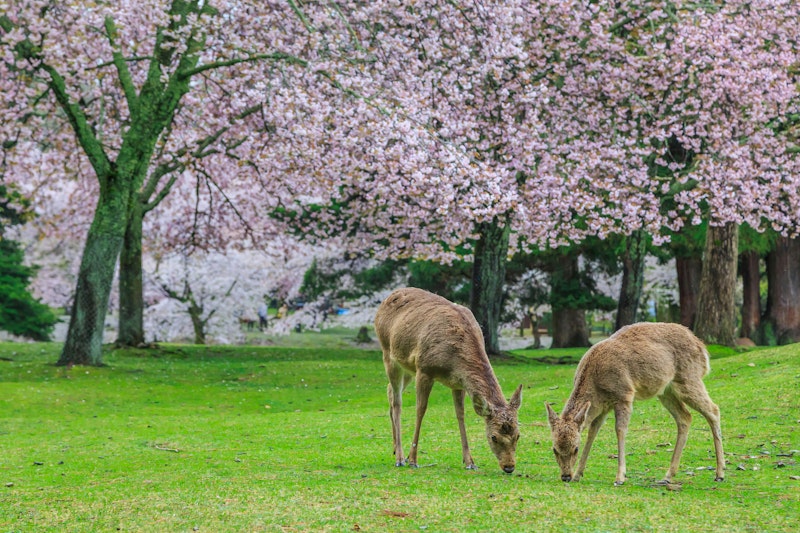
About 1,300 Nara deer, designated as national natural monuments, live in the park, creating an atmosphere befitting an ancient capital along with seasonal flowers and trees. It's perfect for strolling on the grass and photography, and is unmissable even for first-time Nara tourists. When feeding deer crackers, it's safe to hold your belongings securely and keep paper items out of sight. The quiet morning hours have fewer crowds, allowing you to explore with more leisure.
The attraction of having many sights within walking distance from the nearest station makes it easy to plan routes according to your available time.
1-2. Todai-ji Temple
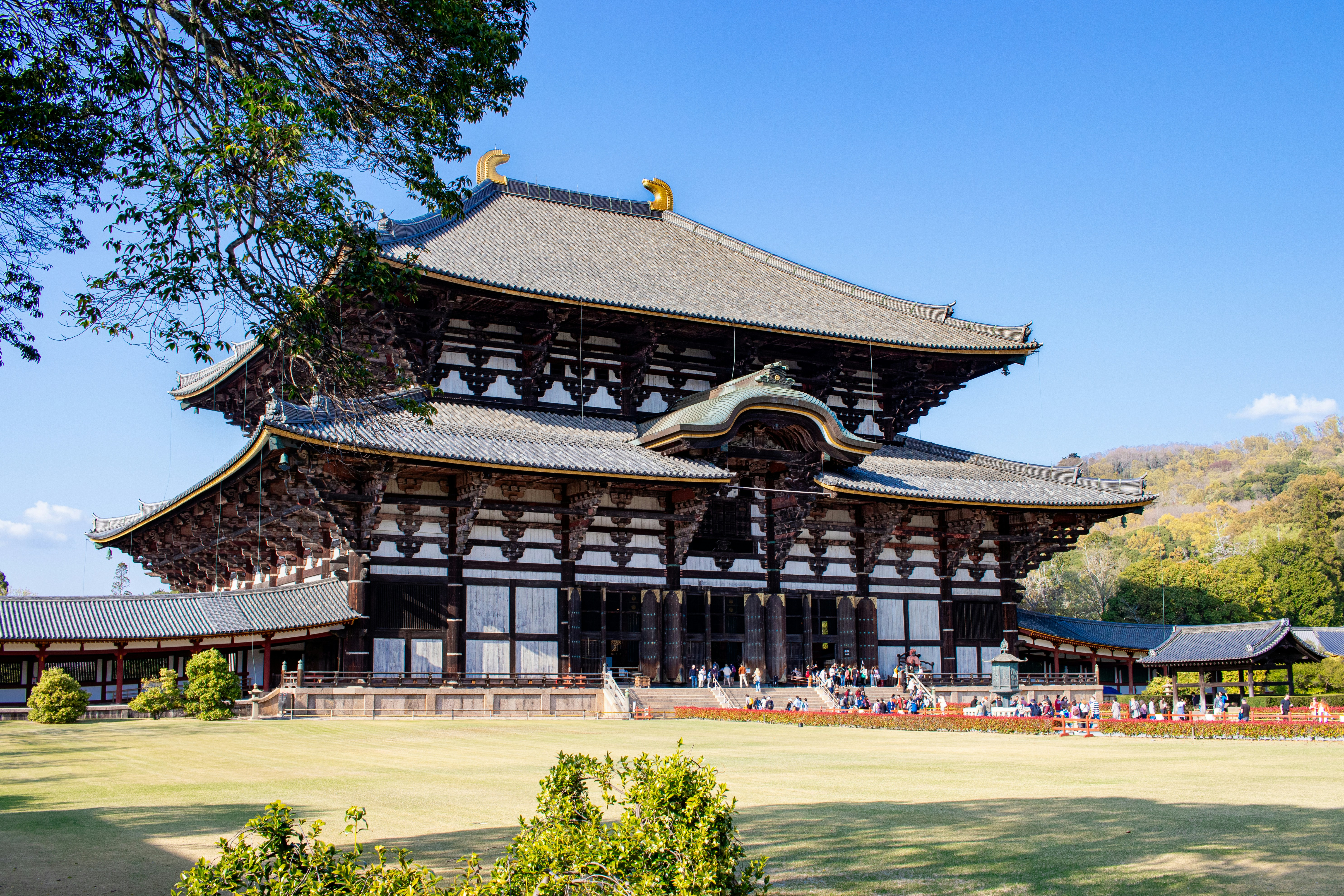
Todai-ji Temple is a temple where the Eye-Opening Ceremony of the Great Buddha was held in 752, representing Nara's main attraction. The massive Great Buddha Hall and Nandaimon Gate are overwhelming, having been destroyed and rebuilt throughout history while being preserved to this day, and you can experience the magnificent temple complex and tranquility within the grounds.
Since the surrounding area is continuous with Nara Park, walking with consideration for the distance from deer ensures safety. The admission ticket office and main temple buildings have English signage, and audio guide rentals are also convenient.
1-3. Horyu-ji Temple
Horyu-ji Temple was founded around 607 and is known as the world's oldest wooden architectural complex.After being destroyed by fire in 670, it was rebuilt by the early Nara period, with the Five-Story Pagoda and Golden Hall completed in the Western Precinct.
It's a treasure house of Buddhist statues and crafts where you can learn about the beauty of Asuka style and the journey of Japanese Buddhism.Observing details such as the corridor pillars and roof curves deepens understanding. Bus service from the nearest station is convenient, and early morning hours allow for relatively quiet visits. The surrounding Ikaruga no Sato has well-maintained sidewalks where you can take photos harmonizing with seasonal rural landscapes.
1-4. Kasuga Taisha Shrine
Kasuga Taisha Shrine is an ancient shrine founded in 768, characterized by vividly vermillion-painted shrine buildings and sacred grounds protected by primeval forest. Revering Mount Mikasa as a sacred mountain, festivals praying for national and people's peace are held over 2,200 times annually. The grounds feature approximately 3,000 stone lanterns and are famous as a wisteria viewing spot.
Nara deer are revered as divine messengers, giving unique sanctity to the landscape around the shrine. When worshipping, bow once before the torii gate and be mindful of the two bows, two claps, one bow etiquette before the shrine buildings. The approach path through the primeval forest has undulations, so visiting in comfortable shoes ensures safety. Some areas around the shrine buildings prohibit photography, so worship quietly while following rules and signage. Spring wisteria and autumn foliage seasons are particularly spectacular.
1-5. Saidai-ji Temple
Saidai-ji Temple is a great temple founded in the 8th century by imperial decree of Empress Shotoku, boasting a vast temple complex.Though it later fell into ruin, it was revived in the Kamakura period by Priest Eison and regenerated as a center for esoteric and Vinaya learning. Currently the head temple of the Shingon Ritsu sect, quiet elegance pervades the temple buildings.
The grounds have a calm atmosphere where you can leisurely appreciate Buddhist statues.Special exhibitions of Buddhist statues and historical materials are held annually, offering opportunities to learn about cultural property preservation. Access via Kintetsu lines is convenient, and the peaceful coexistence of surrounding residential areas with the temple's tranquility is pleasant.
1-6. Yakushi-ji Temple
Yakushi-ji Temple was founded by Emperor Tenmu's vow for his empress's recovery from illness, later moving from Fujiwara-kyo to Heijo-kyo.The East Pagoda (National Treasure) surviving from the founding period is renowned, and destroyed temple buildings have been progressively restored since the Showa era through sutra copying fundraising. The grounds are connected by corridors, with compositional beauty felt as you walk.
Since visits are mainly during daytime, touring efficiently requires deciding time allocation. Combined with nearby Toshodai-ji Temple, you can experience more of ancient temple attractions. The route from the station is easy to understand, making it a spot that's hard to get lost in even for first-time visitors.
1-7. Heijo Palace Site Historical Park
Heijo Palace Site Historical Park is a national park centered on the World Heritage Site and Special Historic Site "Heijo Palace Site". At Suzaku Gate Plaza and Heijo Palace Izanai Museum, you can learn about life in the capital. At the approximately 74-meter-wide Suzaku Avenue and Daigokuden-in South Gate (Daigoku Gate), you can experience the scale of that era. Evening viewing of Suzaku Gate bathed in western sunlight is also recommended.
Building interior opening days can be confirmed in the schedule. With many free areas, it's a recommended spot where families with children can safely experience history.
1-8. Asuka Historical Park
Asuka Historical Park is a national park where you can experience Asuka's landscape and tumulus culture, consisting of five districts: Takamatsuzuka area, Ishibutai, Amakashi Hill, Iwaidono, and Kitora Tumulus area. The impressive stone chamber of Ishibutai Tumulus and the material facilities of Takamatsuzuka and Kitora known for their wall paintings are popular. Enjoy walks viewing rice fields from hill trails and feeling the breath of the ancient capital.
Since there are restricted areas for historic site preservation, staying on walkways ensures safe viewing. As historic site introduction facility opening hours differ by district, deciding your route order before departure is efficient.
2. Events to Participate in Within Nara Prefecture
In Nara, you can experience both traditional events and performing arts. Check event dates and venue access, and participate with planning to avoid crowds. Here we introduce events you should definitely participate in when visiting Nara.
2-1. Omizutori
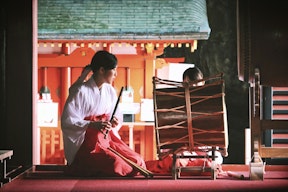
Omizutori is the central ritual of Shunie continuing at Todai-ji Nigatsu-do. According to tradition, it originated when Onyu Myojin of Wakasa apologized for being late to the assembly and caused pure water to spring forth near Nigatsu-do.
In the ceremony, illuminated by torches, practicing monks head to Akai-ya and carefully draw sacred water. The carried water is divided and managed as fundamental sacred water and sequential sacred water, and after the ritual, it is sometimes distributed to worshippers. Since this is a late-night event with dropping temperatures, prepare warm clothing and comfortable shoes for participation.
2-2. YAMATO Performances
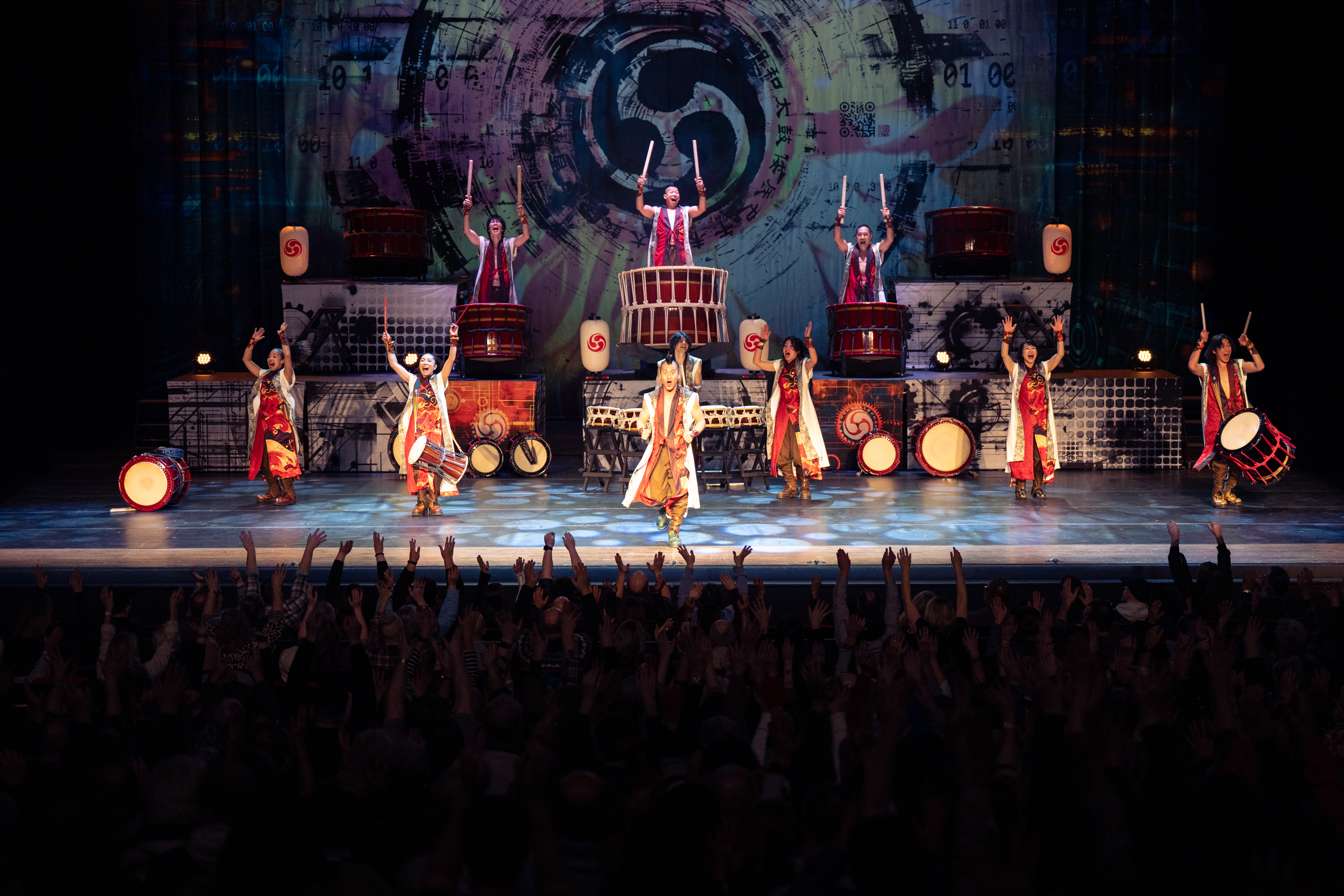
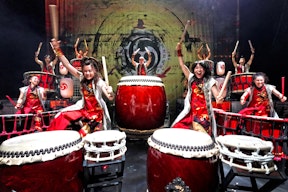
Japanese Drum Group YAMATO is a popular group based in Nara and Asuka that performs worldwide. At Nara Park Bus Terminal, from January 2 to 5, 2026, they will present 70-minute performances and Japanese drum playing experience (13:00-60 minutes). On January 10, a New Year performance is also scheduled at Pegasus Hall in Kammaki Town.
Please enjoy YAMATO's performances that have captivated audiences worldwide.
Summary
Nara Prefecture is a land where history and faith from over 1,300 years ago still breathe today, with the major characteristic of simultaneously offering ancient capital charm and peaceful travel time. From the open atmosphere of Nara Park to the dignified presence of World Heritage sites like Todai-ji Temple, Horyu-ji Temple, and Kasuga Taisha Shrine, to the ancient landscapes spreading across historic sites of Heijo Palace Site and Asuka, diverse cultural layers are concentrated within a single prefecture.
Additionally, Nara offers many events where you can experience culture, such as traditional ceremonies and taiko drum performances, and incorporating these into your itinerary provides deeper experiences. Nara, where nature, history, and performing arts harmonize, is suitable not only for tourism but also for journeys seeking learning and discovery. Since you can encounter different expressions in every season, it's a region that makes you want to visit repeatedly.
※This article was created based on information as of December 2025
.PNG?w=288)