Tips You'll Want to Know When Traveling to Japan | Including a Pre-Trip Preparation Checklist
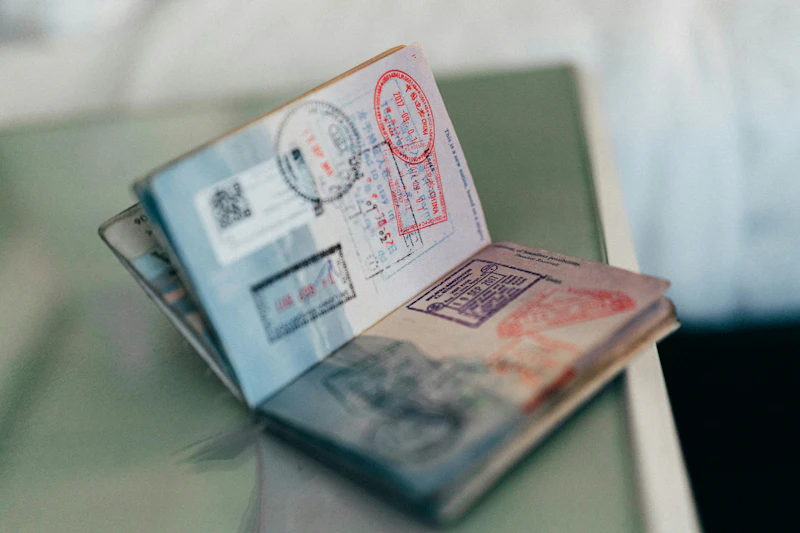


Enjoying a trip to Japan requires more than just choosing sightseeing spots and hotels — you'll also need to prepare for entry procedures, transportation, payment methods, and staying connected. Especially if it's your first visit to Japan, knowing how to use IC cards (rechargeable contactless smart cards used for transit and everyday purchases), when cash is necessary, which apps are helpful, and where to turn if something goes wrong will help you stay calm and confident throughout your trip.
This article is aimed at anyone looking for tips on traveling to Japan. It covers a pre-trip preparation checklist, key points on transportation, payments, and useful apps, as well as how to handle common travel problems.
Table of Contents
1. Pre-Trip Preparation Checklist for Traveling to Japan
2. What to Know About Getting Around Japan
3. Payment Methods Available in Japan
4. Useful Apps and Tips for a Hassle-Free Trip to Japan
5. Common Travel Troubles in Japan and How to Handle Them
6. Why We Recommend Using Tickets in Japan for Your Trip to Japan
Summary
1. Pre-Trip Preparation Checklist for Traveling to Japan
Before your trip to Japan, it's a good idea to sort out your entry procedures and set up the apps you'll need on the ground. Run through the following items before you depart.
□ Check your passport and visa requirements
Verify that your passport is valid and find out whether your nationality requires a tourist visa. Requirements may vary depending on the length of your stay and the purpose of your visit.
Check the countries and regions exempt from short-stay visas to Japan
□ Register with Visit Japan Web
Create an account and enter your traveler information, planned arrival date, accommodation details, and customs declaration information. Before you arrive, make sure you're logged in and that your QR code is ready to display.
□ Prepare your arrival card and customs declaration
Confirm the details you'll need to declare, including your name, flight number, accommodation address, items you're bringing in, and any cash you're carrying. If you're submitting your declaration online, double-check that all the information you've entered is correct.
Pre-register your arrival and customs declaration with Visit Japan Web
□ Install essential apps and log in
Before you leave home, install apps for maps, translation, transit navigation, payments, and connectivity — and make sure you've logged in and completed any initial setup.
2. What to Know About Getting Around Japan

To get around Japan smoothly, it's important to look into IC cards (rechargeable contactless smart cards), regional travel passes, and how to book Shinkansen (bullet train) and limited express train tickets in advance. Keep the following points in mind as you prepare.
・Find out where to buy IC cards, how to top them up, and where they can be used
Transit IC cards such as Suica and PASMO are accepted nationwide, though the card names and designs vary by region. You can purchase and top up IC cards at station ticket machines, station service windows, and through compatible apps. They're useful not only for trains and buses, but also for small purchases at convenience stores, vending machines, and shops inside stations — helping you reduce the need for cash. You can top up at ticket machines, participating stores, or via app, though there may be limitations when crossing certain regional boundaries or at some retailers.
Find out how to purchase and top up a Welcome Suica card
Find out how to purchase and use PASMO
・Choose the right regional travel pass for your itinerary
If you're traveling long distances across Japan, the Japan Rail Pass is worth considering. For travel focused on the Kansai region, there are dedicated area passes available. For sightseeing in Tokyo, subway and Toei Transportation (Tokyo Metropolitan Bureau of Transportation) passes are an option. For getting around Kyushu, JR Kyushu rail passes are a good candidate. If your travel area is limited, paying as you go with an IC card may actually be more economical than buying a pass.
・Know the key points for booking Shinkansen and limited express trains
For Shinkansen and limited express services, be aware of the different seat types available — unreserved seats, reserved seats, and Green Car (first-class) seats. During busy travel periods, reserved seats fill up quickly, so once your travel dates are confirmed, booking early is recommended. Conditions apply for changes and refunds, so it's a good idea to check the rules before purchasing your tickets.
3. Payment Methods Available in Japan
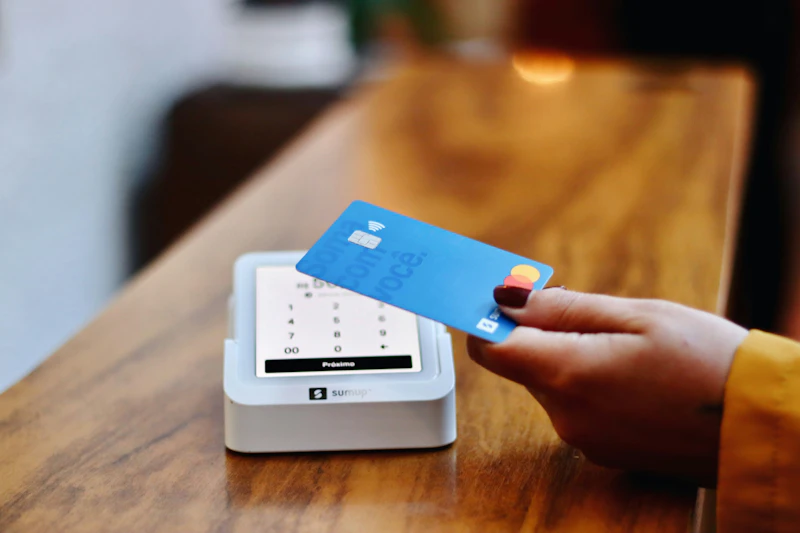
Cashless payments are becoming more common in Japan, but there are still situations where cash is necessary. Before you depart, take stock of the payment options available to you and make sure you're prepared for currency exchange.
・Understand what payment methods are accepted in Japan
At hotels, department stores, convenience stores, and chain restaurants, credit cards, transit IC cards, and QR code payments are increasingly accepted. IC cards are convenient not just for trains and buses, but also for small everyday purchases. That said, independent shops and businesses in rural areas may still be cash only.
・Tips for currency exchange and using ATMs
It's a good idea to get a small amount of Japanese yen at the airport or a train station as soon as you arrive, to cover transport and light snacks. If you need to withdraw cash using a card issued outside Japan, convenience store ATMs and bank ATMs are generally available for this purpose. Be sure to check the fees, withdrawal limits, and international usage settings on your card beforehand.
・Know when you're likely to need cash
Cash is often required at local restaurants, for o-saisen (coin offerings at Shinto shrines and Buddhist temples), at small souvenir shops, at food stalls, and at vending machines. It's handy to carry some small bills and coins with you.
4. Useful Apps and Tips for a Hassle-Free Trip to Japan

Traveling safely in Japan and looking up information on the go requires maintaining an internet connection and having the necessary apps ready. Before you depart, make sure to check the following points.
・Decide between an eSIM and a pocket Wi-Fi router
If you are traveling solo and primarily using a smartphone, an eSIM (a digital SIM that can be set up without a physical card) is a convenient option. There is no need to pick up a physical card, and you can activate it immediately.
If you're looking for a reliable option, 5G UNLIMITED by KDDI — an eSIM plan offered by Japan Wireless — gives you unlimited data on the 5G network of KDDI, one of Japan's major carriers. You can purchase it before departure, receive a QR code by email, and get online the moment you land. The plan is data-only, but calling apps such as LINE and WhatsApp run smoothly on the unlimited connection, so staying in touch is no problem.
Check 5G UNLIMITED by KDDI plans and prices
・Install essential travel apps
A transit app is useful for checking train connections and fares, while a map app helps you navigate on foot to your destination. A translation app comes in handy for communicating at restaurants and train stations. Having apps for weather, disaster alerts, and sightseeing information will also help you adapt if your plans change. Make sure you've completed the initial login for each app before you go.
Check routes to your destination with Google Maps
Check train connections with Japan Travel by NAVITIME
・Prepare for offline use
To stay prepared for areas with poor connectivity, download offline maps and translation data before you travel. Bringing a portable charger and adjusting your screen brightness and location services can help prevent your battery from running out while you're out and about.
5. Common Travel Troubles in Japan and How to Handle Them
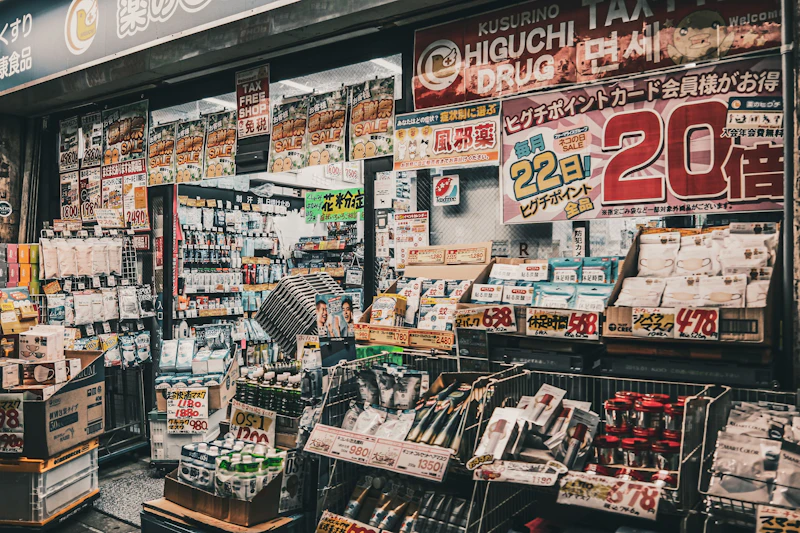
If you lose something, fall ill, or face an emergency while traveling in Japan, simply knowing who to contact and where to go for help can make a big difference in how calmly you're able to respond. Be sure to familiarize yourself with the following points before anything goes wrong.
・Know how to search for lost items
If you lose something on a train or at a station, check with station staff. If you lose something in a shop, ask a member of staff there. If you're unsure where you lost it, visit a nearby koban (a small local police box staffed by officers who can assist with a range of everyday issues) and, if necessary, file a lost property report. Railway companies, airports, and shopping facilities often have dedicated lost and found centers. Noting the date, time, location, and description of the lost item will make the search easier.
・Know the emergency contact numbers
In the event of a crime, theft, or accident, call the police on 110. If there is a fire, a medical emergency, or an injury requiring an ambulance, call 119. If your passport is lost or you encounter a serious problem, contact your home country's embassy or consulate. It's also a good idea to keep a note of your accommodation's address and contact information.
・Be able to describe your symptoms at a pharmacy or hospital
If you feel unwell, you can consult a pharmacist at a pharmacy, or visit a hospital if your symptoms are serious. Use a translation app to help you communicate symptoms such as fever, stomach pain, injury, or allergic reactions. Bringing your insurance documents, passport, any medications you're currently taking, and information about any allergies will also be helpful during a medical visit.
Contact information for illness, accidents, and emergencies during your trip
Find out how to call 119 for an ambulance
6. Why We Recommend Using Tickets in Japan for Your Trip to Japan
If you'd like to catch a sports game or enjoy a taiko drumming performance in Kyoto during your trip, we recommend using Tickets in Japan, where you can browse ticket information even before you leave home. Whether you're planning your itinerary ahead of time or find yourself with some free time during your trip, you can search for tickets to sporting events and performances alike.
To get started, check the schedule, area, and genre listings, then visit the detail page for any event that interests you to confirm the date and time, venue, seating, price, and ticket delivery method before booking. If you're looking for a sports event, narrowing your search by sport or location will help you find options more easily. For performances, filtering by genre or date is a good approach.
Popular tickets may sell out quickly, so it's worth checking availability as soon as your travel plans are confirmed. If you'd like to add a special experience to your time in Japan, browse Tickets in Japan to find the right tickets for you.
Summary
To make the most of your trip to Japan, it's important to prepare thoroughly before you go and know how to handle any issues that arise on the ground. Sorting out your entry procedures, payment options, transportation, connectivity, and essential apps in advance will help ease any anxiety once you arrive.
Even if something unexpected happens — such as losing an item or falling ill — knowing where to go for help and how to reach the right people will allow you to respond calmly. If you're hoping to catch a sports event or a live performance, make use of Tickets in Japan to make your trip even more memorable.
※ This article was created based on information available as of June 2026.
Tickets related to this article
-
Nagano Sun,Oct 11,2026 at 9:50am

The Ultimate Ice Entertainment-Karuizawa Curling Experience-
-
Hyogo Mon,Oct 12,2026 at 3:30pm

YAMATO Japan Tour 2026
-
Tokyo Thu,Oct 15,2026 at 8:00pm

Animmersive Live: LAYRA inspired by BELLE
-
Gifu Fri,Oct 16,2026 at 1:30pm

"Seeking the Field" -Min Tanaka + Rin Ishihara + Hirokazu Taniguchi and Marihiko Hara-