Japan Baseball Fan Essentials: A Season-by-Season Packing Guide
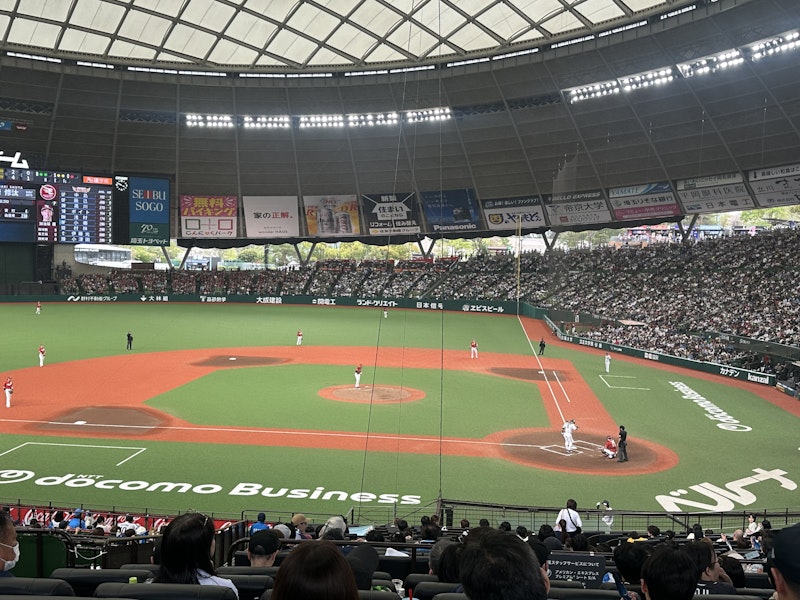


When watching Japanese professional baseball, it's reassuring to know not only about the fun of cheering but also about entry methods, payment options, and what you can bring inside beforehand. Especially for travelers visiting Japanese ballparks for the first time, checking baggage policy size restrictions and cashless payment options in addition to season-appropriate items will make your game day much smoother.
This article organizes and introduces essential items needed regardless of season, as well as necessities useful for outdoor ballparks in spring, summer, and fall. The home stadiums of Japan's 12 professional baseball teams can be confirmed on the official NPB list. Looking at this, there are both dome stadiums and outdoor ballparks, with viewing environments varying considerably by stadium. Particularly in early spring, some days feel as cold as winter, summer brings strong sunlight and heat stroke risks, and fall requires preparation for rain and wind.
Table of Contents
1. Items Needed for Baseball Viewing Regardless of Season
1-1. Tickets
1-2. Mobile Battery
1-3. Credit Cards・Electronic Money
1-4. Comfortable Clothing
1-5. Compact Bag
2. Items Needed for Spring (March-May) Baseball Viewing
2-1. Hay Fever Countermeasures
2-2. Thick Warm Clothing・Hand Warmers
3. Items Needed for Summer (June-August) Baseball Viewing
3-1. Hat・Large Towel
3-2. Cooling Items (Neck Rings and Cooling Sheets)
4. Items Needed for Fall (September-October) Baseball Viewing
4-1. Raincoat・Poncho
4-2. Insect Repellent Spray
Summary
1. Items Needed for Baseball Viewing Regardless of Season
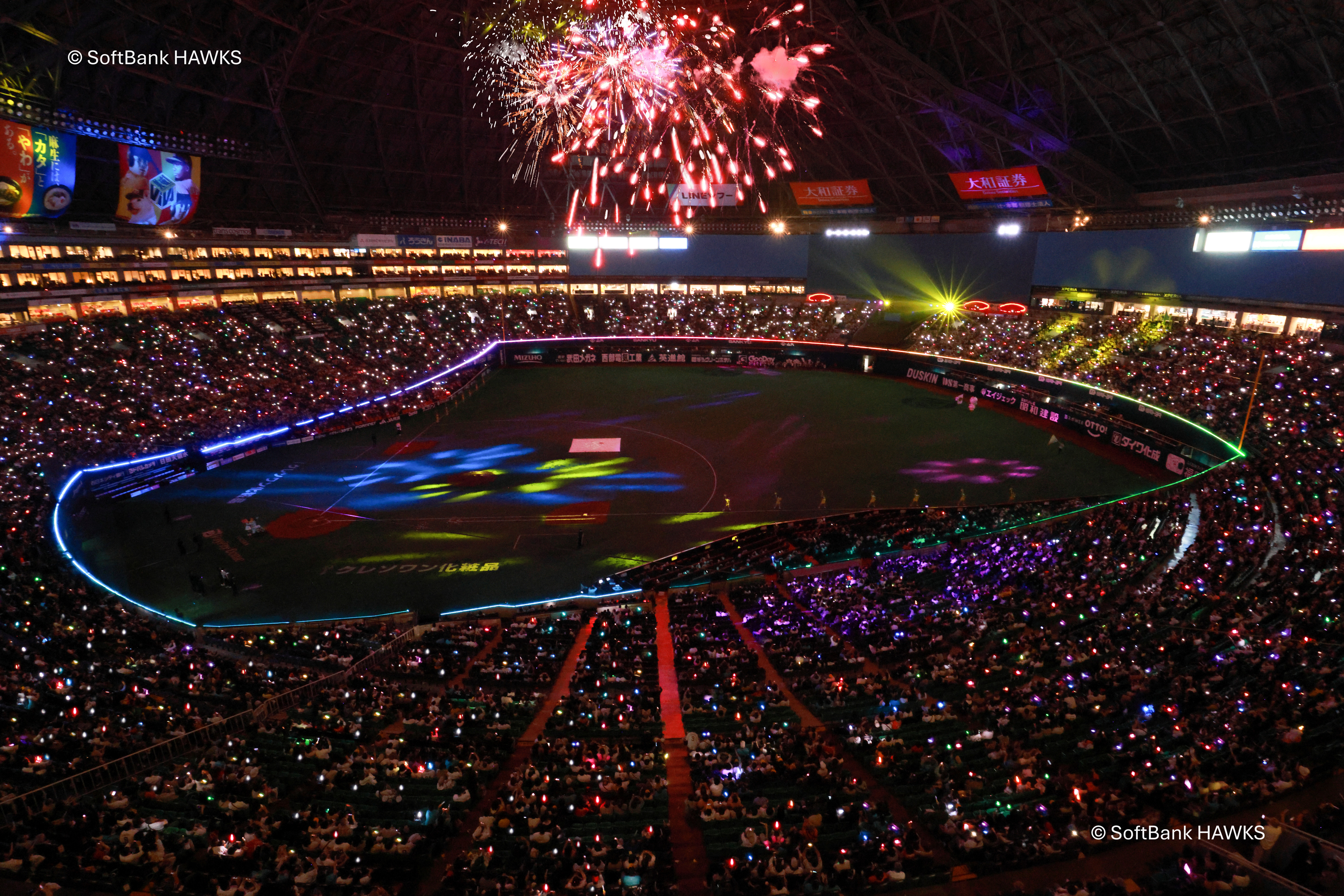
First, let's check the basic items you'll want to bring regardless of season. Whether it's spring, summer, or fall, proper preparation for entry, payment, movement, and seating areas is essential.
Particularly at Japanese ballparks, smartphone battery depletion or oversized luggage can directly lead to inconvenience. By first securing the minimum necessary items, subsequent seasonal preparations become easier.
1-1. Tickets
Digital tickets are commonly used for Japanese professional baseball viewing today. Increasingly, you show staff the QR code displayed on your My Page or account page when entering. This means it's important to have your smartphone ready to display immediately on game day.
Popular games can sell out, so advance booking is strongly recommended. To avoid frantically searching for the ticket screen right before entry, prepare to open your ticket screen quickly.
1-2. Mobile Battery
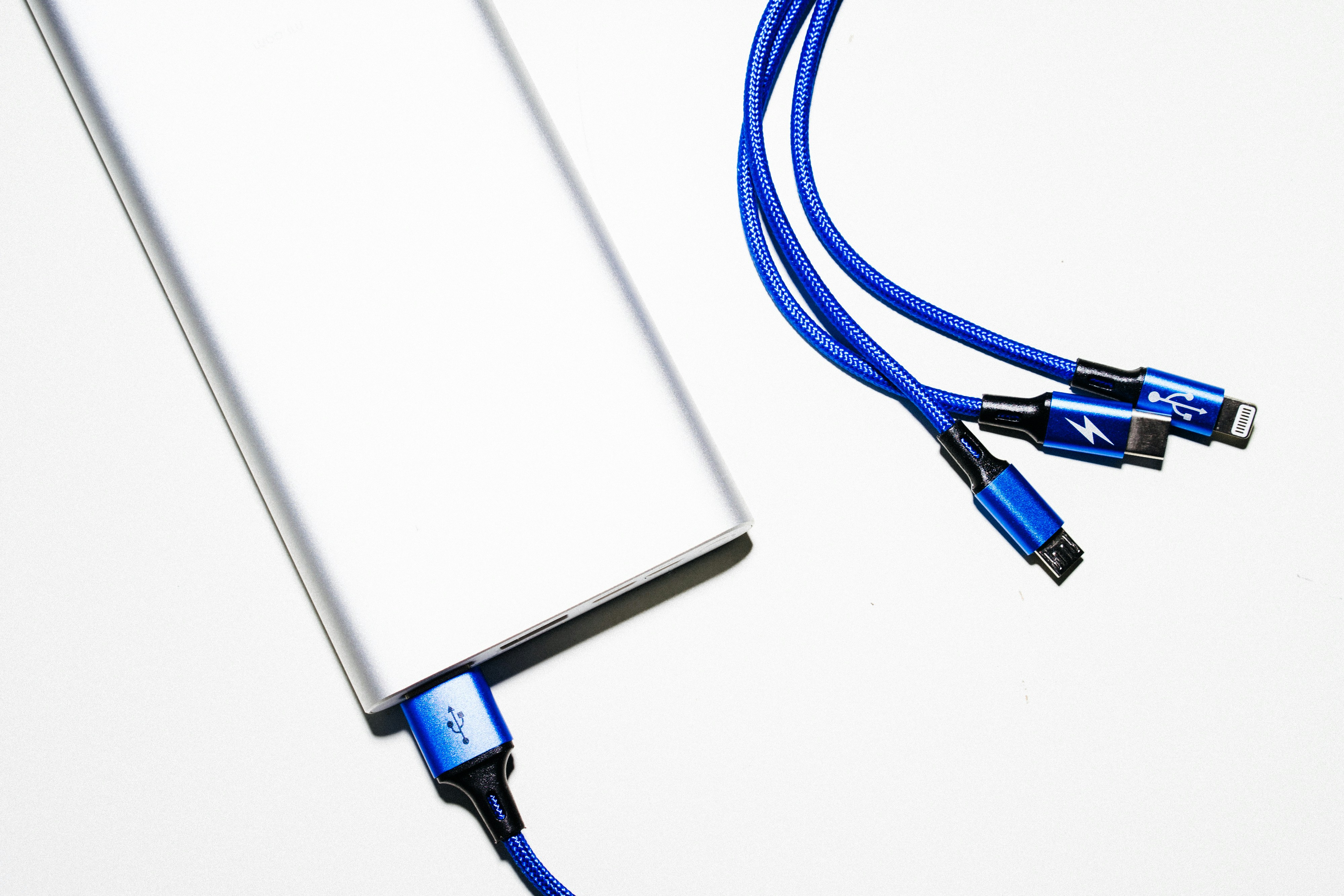
Foreign tourists frequently open map apps, translation apps, payment apps, and ticket screens while traveling. Therefore, on baseball viewing days, you tend to drain your battery more than usual. If your smartphone battery dies, you won't be able to display the QR code and may lose time at entry.
Losing communication means can also affect meetups and transportation. Just putting one lightweight mobile battery in your bag will significantly change your peace of mind on game day.
1-3. Credit Cards・Electronic Money
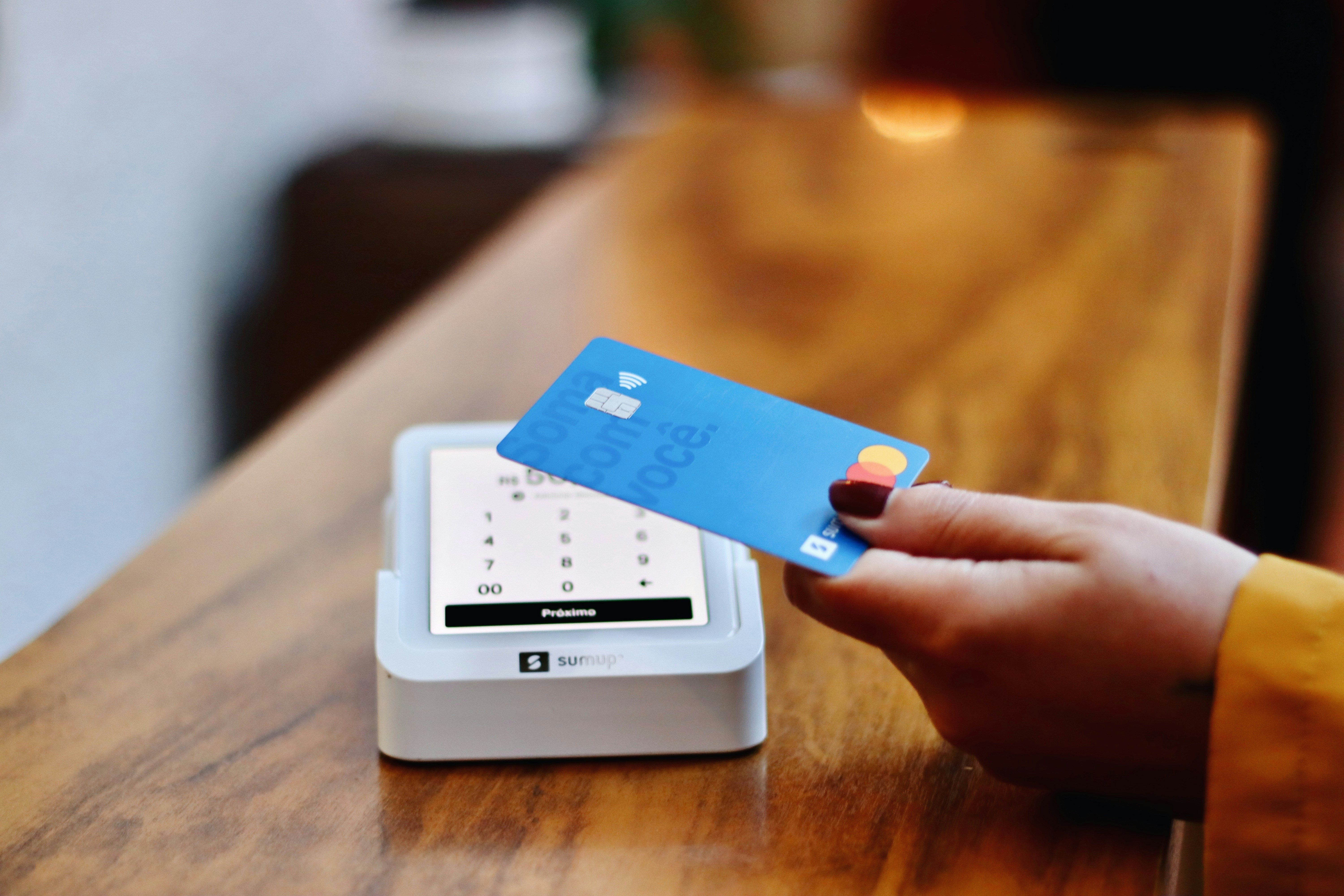
Complete cashless systems are advancing at major Japanese ballparks. At Rakuten Mobile Park Miyagi, NPB guidelines clearly state that cash cannot be used for purchasing tickets, merchandise, or food and beverages. Therefore, if you only bring cash, you may not be able to buy drinks or meals.
In addition to credit cards, transportation IC cards and electronic money are even more convenient. For first-time viewing, it's reassuring to prepare at least one credit card and a readily usable electronic payment method.
1-4. Comfortable Clothing
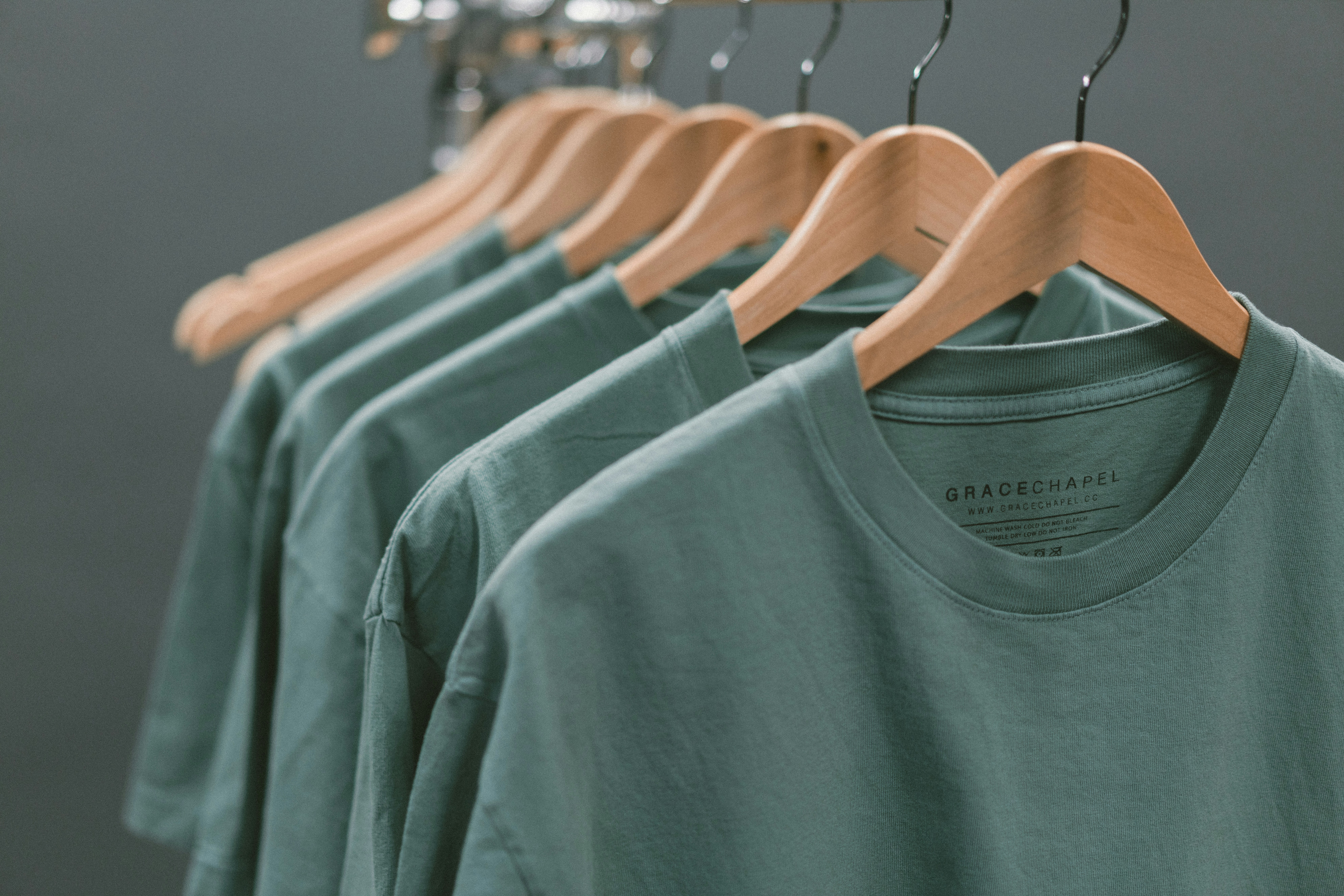
At ballparks, there's considerable walking distance from entry gates to seats, plus frequent stair climbing. Additionally, since you'll be sitting for long periods during viewing, tight clothing or hard shoes can cause fatigue.
Japanese ballpark aisles and seating areas aren't overly spacious, so comfortable clothing that allows easy body movement is suitable. Loose-fitting tops, comfortable sneakers, and layered clothing for temperature adjustment form a good foundation that's hard to go wrong with.
1-5. Compact Bag
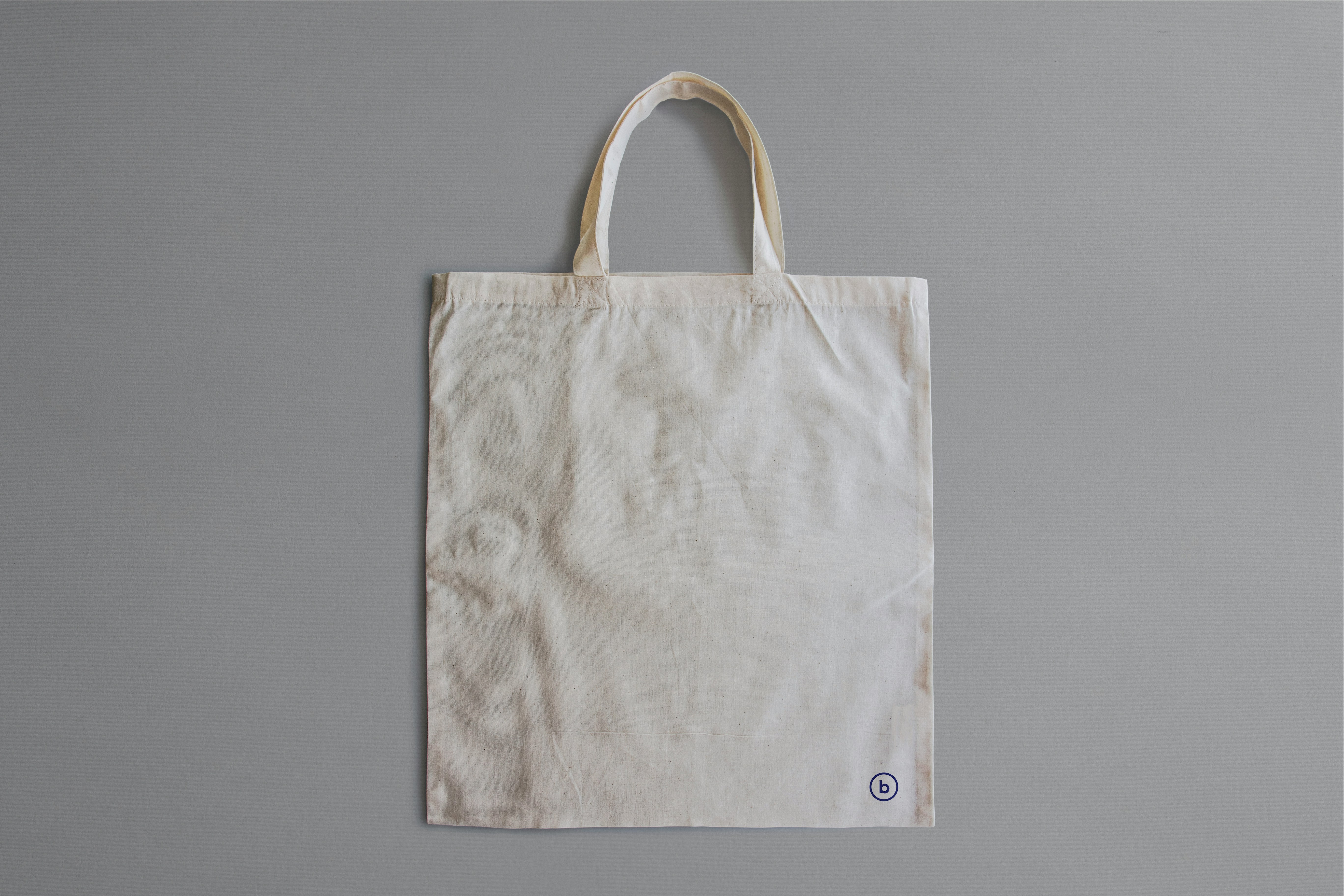
Keep your bag as small as possible. Japanese ballparks may not allow large luggage or suitcases inside. At ZOZO Marine Stadium, rules state that large luggage cannot be brought into the venue, with outer perimeter lockers recommended. SoftBank HAWKS viewing rules also ask visitors to avoid bringing large luggage or travel cases.
Baggage policy size restrictions differ by ballpark, so advance confirmation is necessary. A compact bag that fits at your feet makes movement easier and shows consideration for others around you.
2. Items Needed for Spring (March-May) Baseball Viewing
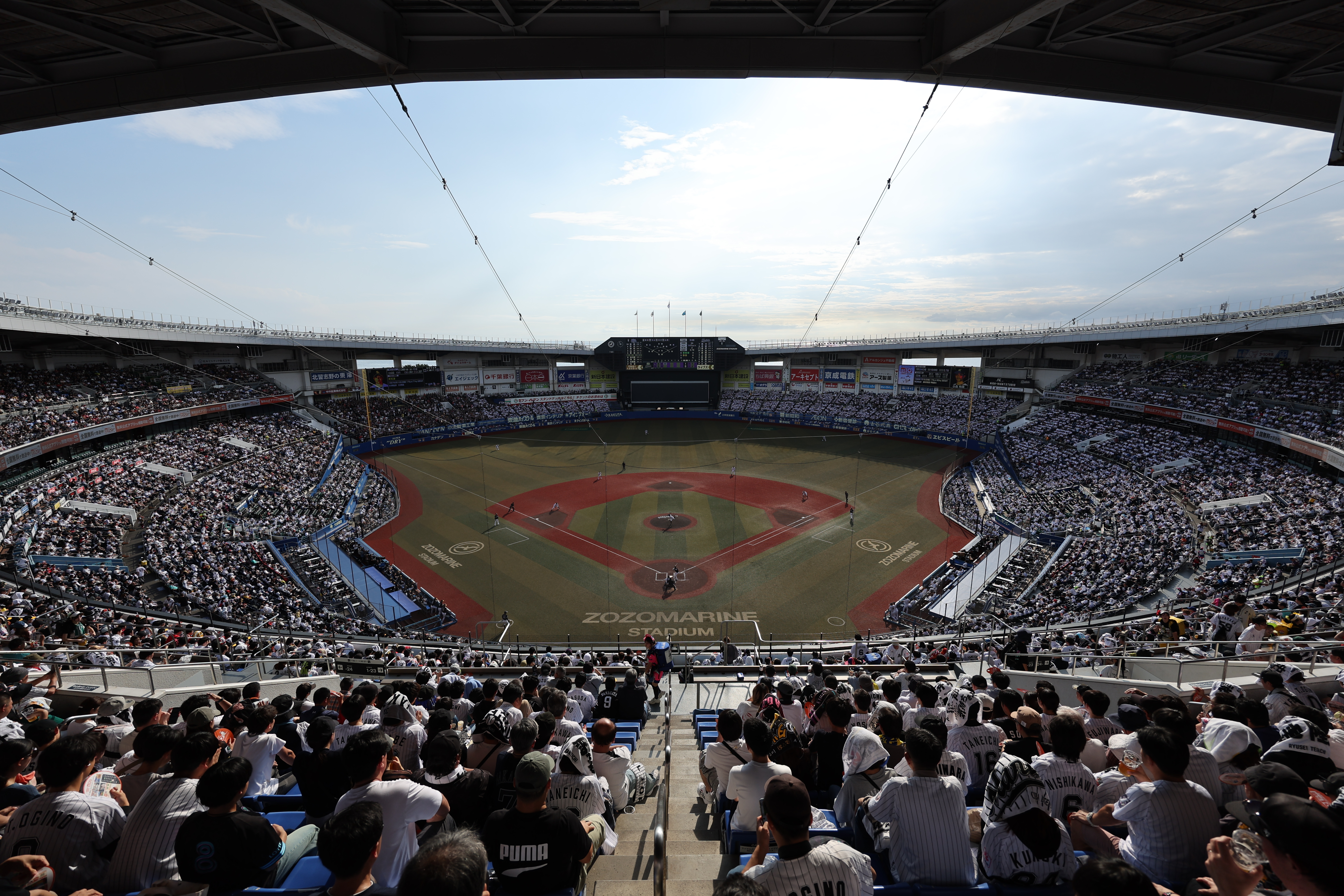
For spring viewing, preparing based only on warm daytime impressions often leads to failure. Looking at the official NPB home stadium list, there are both dome stadiums and outdoor ballparks, with quite significant environmental differences.
Domes are relatively stable, but outdoor ballparks are strongly affected by wind and pollen. Additionally, Belluna Dome is known as a stadium that's easily affected by outside air despite having a roof. During spring night games, some days feel close to winter.
2-1. Hay Fever Countermeasures
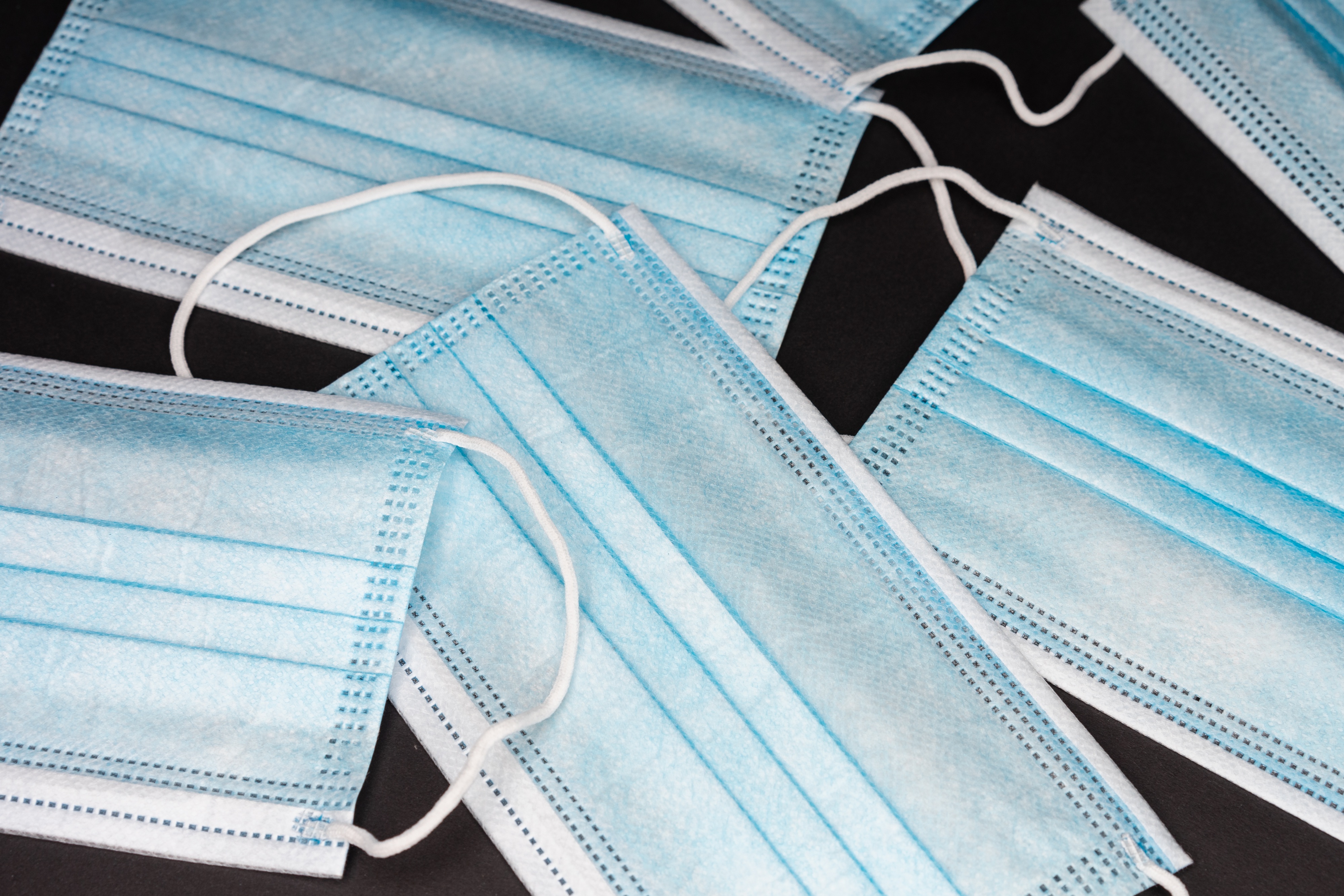
Japanese spring is a time easily affected by cedar pollen and cypress pollen. Cedar pollen disperses around February-April, and wearing masks and glasses is said to be effective.
Even people who haven't experienced hay fever before may feel discomfort when spending long periods outdoors. Masks, protective glasses, and pocket-sized tissues provide peace of mind. When going to outdoor ballparks, include hay fever countermeasures in your minimum preparations.
2-2. Thick Warm Clothing・Hand Warmers
Right after spring opening, especially during night games, temperatures tend to drop. At windy ballparks, it feels considerably colder than during the day. Also, spring can still bring strong cooling due to radiative cooling, and staying in light clothing makes it difficult to concentrate on viewing.
Easy-to-remove thick outerwear, neck-protecting scarves, adhesive hand warmers or portable hand warmers provide reassurance. Don't think spring means you'll be fine—add one winter-leaning preparation item.
3. Items Needed for Summer (June-August) Baseball Viewing

When enjoying baseball viewing at outdoor stadiums, heat and heat stroke countermeasures are extremely important. Heat stroke risk increases on days with strong solar radiation or high humidity.
During summer day games, just sitting in your seat can drain your energy. To enjoy cheering until the end, bring both items to prevent heat and items to cool your body.
3-1. Hat・Large Towel
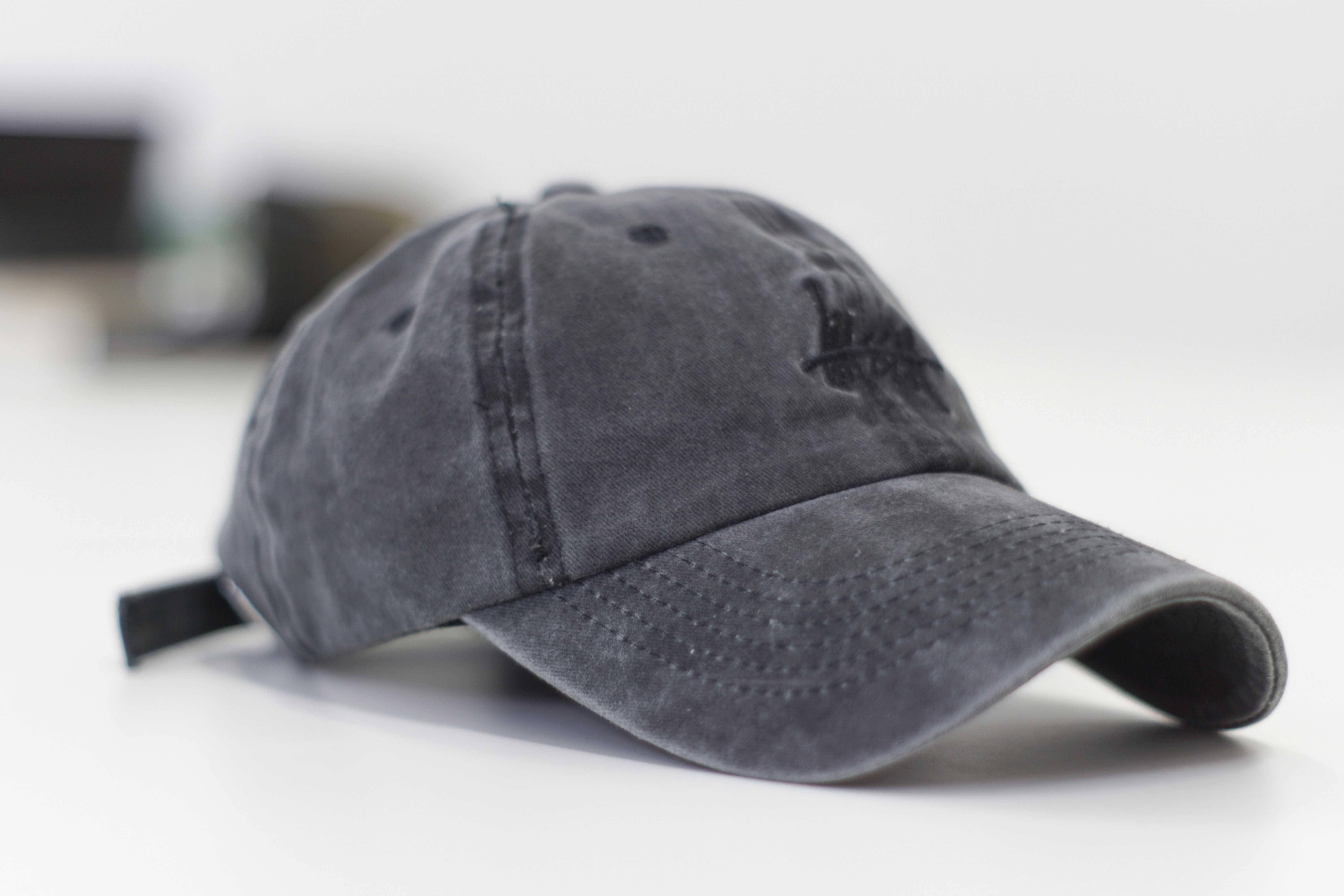
A hat is essential to avoid direct sunlight. At outdoor ballparks, continuous sun exposure to your head and neck causes sudden fatigue increases. Since parasols can be difficult to use in spectator seats, wearable sun protection is helpful.
Additionally, a large towel can not only wipe sweat but also be wrapped around your neck to soften sunlight. Especially for summer day games, consider hats and towels as basic equipment.
3-2. Cooling Items (Neck Rings and Cooling Sheets)
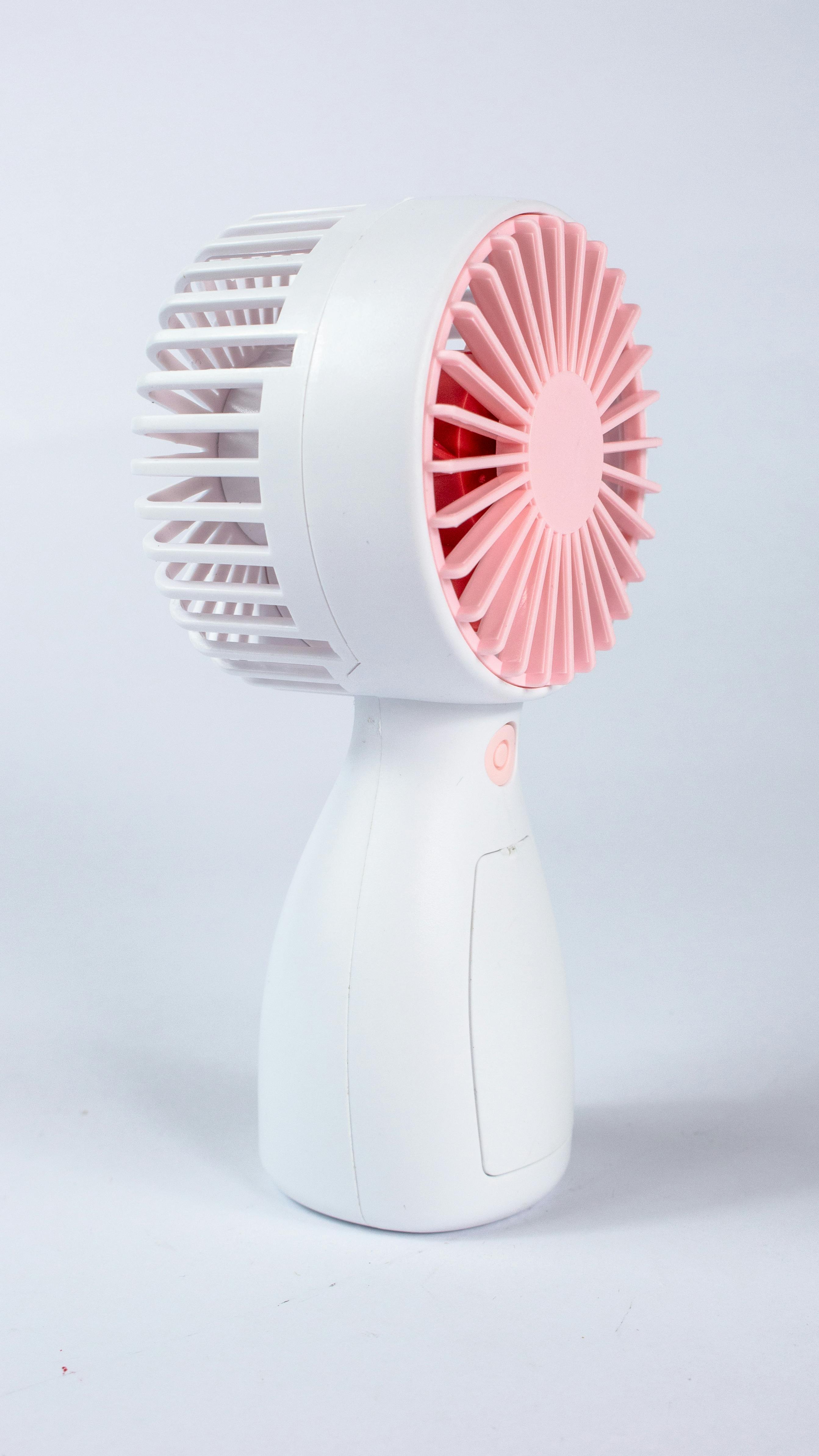
At summer outdoor ballparks, items that physically lower body temperature are very helpful. On days when heat stroke warning alerts are issued, it's important to stay in cool environments and frequently replenish water and salt.
Combining neck rings, cooling sheets, and portable fans makes it easier to reduce physical strain. Cooling items aren't just for comfort—they're essential preparation to avoid giving up on viewing midway through.
4. Items Needed for Fall (September-October) Baseball Viewing
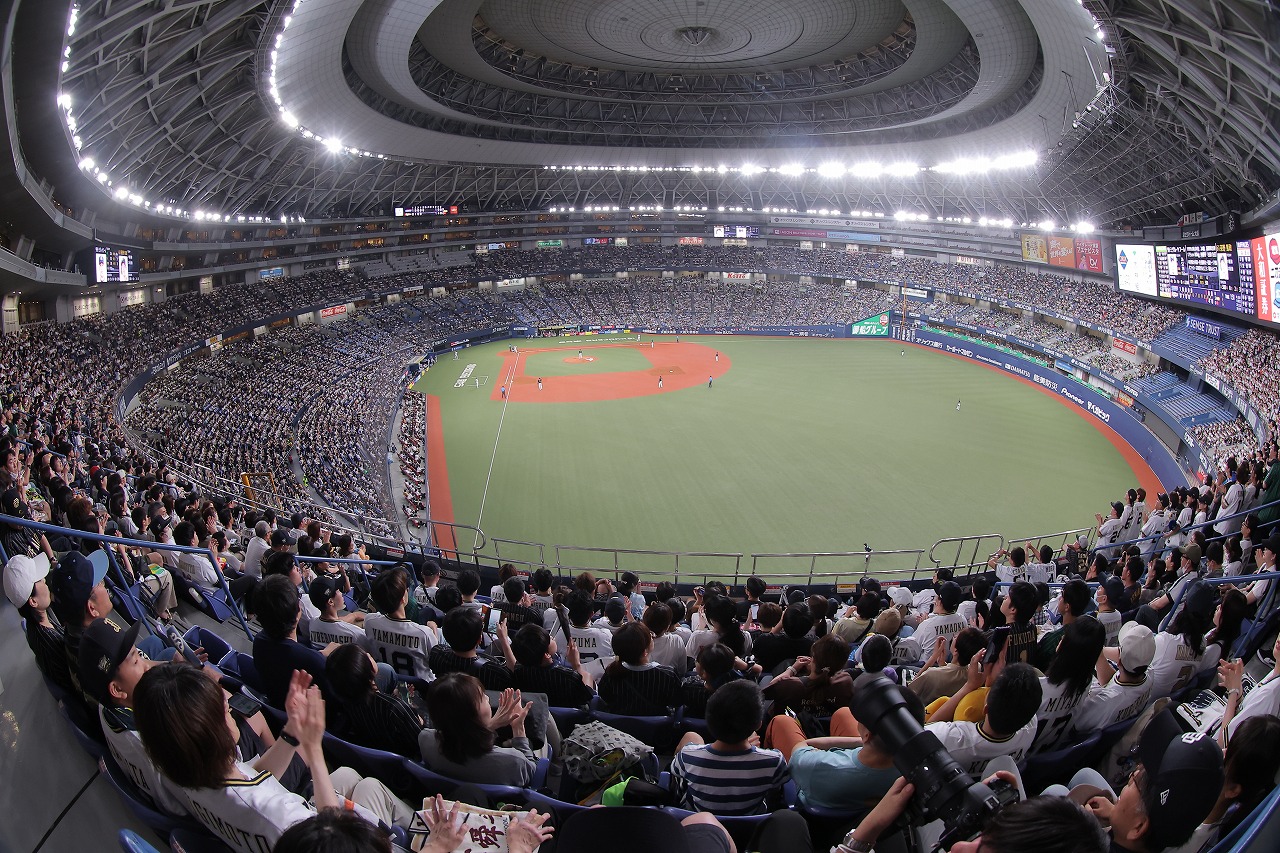
For fall viewing, while heat subsides, rain and wind response becomes necessary. Japan is easily affected by typhoons and autumn rain fronts from September to October in some years, with weather changing suddenly.
Even if days are pleasant, winds tend to strengthen from evening onward, so having portable rain and insect countermeasures provides peace of mind.
4-1. Raincoat・Poncho
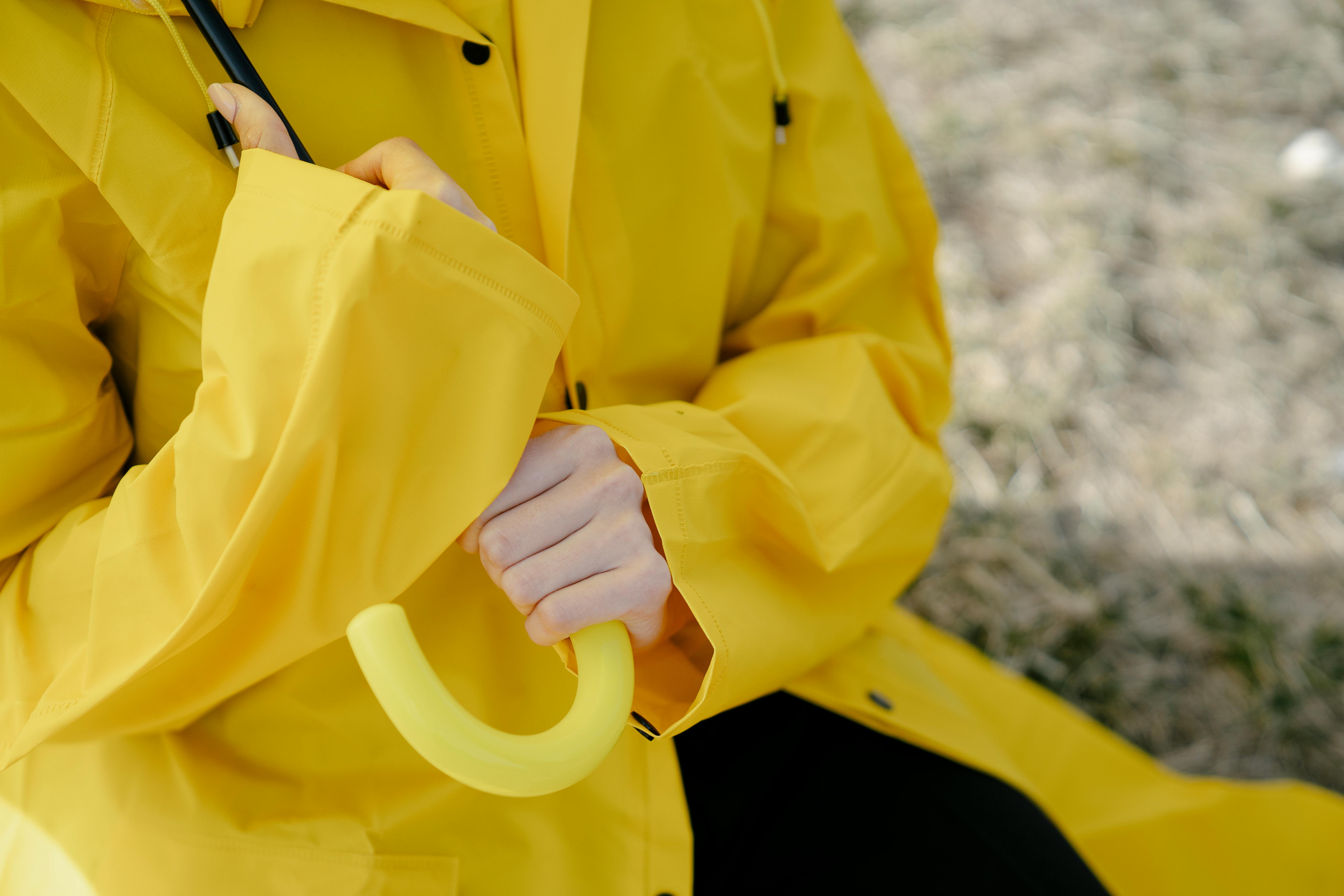
For fall outdoor viewing, raincoats and ponchos are useful. In spectator seats on rainy days, umbrella use may be discouraged as it blocks surrounding visibility.
Disposable types are lightweight and easy to fit in bags. Fall can bring sudden rain even on clear days, so including one as minimum preparation provides peace of mind.
4-2. Insect Repellent Spray
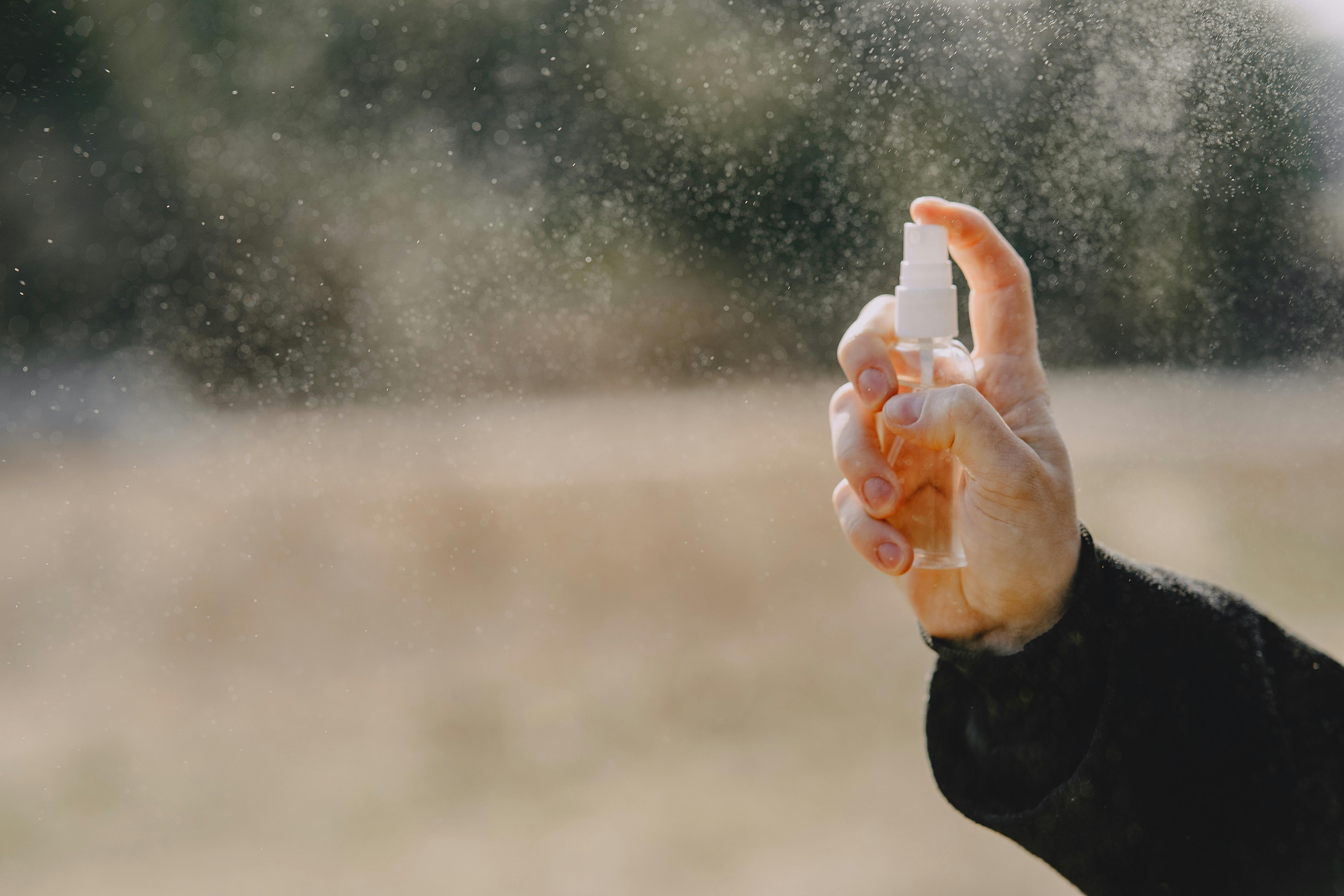
Even in fall, insects can be bothersome at outdoor stadiums or areas with lots of greenery. Particularly from evening to night, exposed skin makes it difficult to watch comfortably.
Use insect repellent spray before departure, and if needed, put a portable version in your bag. Since it reduces discomfort without adding too much luggage, it's a surprisingly convenient item for fall viewing. When going to outdoor ballparks, prepare it along with rain countermeasures for peace of mind.
Summary
For Japanese baseball viewing, it's important to first gather tickets, mobile battery, credit cards or electronic money, comfortable clothing, and a compact bag. Adding seasonal countermeasures brings your preparation quite close to completion. Be mindful of pollen and cold in spring, heat and heat stroke in summer, and rain and insects in fall. Checking each ballpark's baggage policy size restrictions and payment methods in advance allows you to move more freely on game day.
You don't need to increase your belongings excessively. Just pack necessary items compactly and add one season-appropriate item. That preparation alone makes Japanese professional baseball viewing considerably more comfortable. Even for first-time viewing, knowing the basics beforehand makes you less likely to get confused during entry or shopping, allowing better focus on the game itself. To enjoy your travel day pleasantly, prepare according to your viewing date and ballpark.
※This article was created based on information as of March 2026.
Tickets related to this article
-
Osaka Tue,Apr 07,2026 at 6:00pm

ORIX Buffaloes Baseball Tickets 2026
-
Miyagi Thu,Apr 09,2026 at 6:00pm
Tohoku Rakuten Golden Eagles Baseball Tickets 2026
-
Fukuoka Thu,Apr 09,2026 at 6:00pm

Fukuoka SoftBank HAWKS Baseball Tickets 2026
-
Hokkaido Sat,Apr 11,2026 at 2:00pm

ES CON FIELD Admission Ticket 2026
-
Hokkaido Sat,Apr 11,2026 at 2:00pm

Hokkaido Nippon-Ham Fighters Baseball Tickets 2026
-
Saitama Sat,Apr 11,2026 at 5:00pm

Saitama SEIBU Lions Baseball Tickets 2026
-
Chiba Tue,Apr 14,2026 at 6:00pm

Chiba Lotte Marines Baseball Tickets 2026