What Spring Flowers Are There in Japan? 20 Tourist Spots to See the Best Spring Flowers


When it comes to spring travel in Japan, cherry blossoms are the classic choice, but there are also famous spots scattered throughout the country where you can enjoy "flower fields," "fragrances," and "color gradations" beyond cherry blossoms. For itineraries from February to May, you can feel spring early with plum blossoms, and plan to target sky-blue flower fields with wisteria, moss phlox, and nemophila from April to May.
This article covers 9 types of spring flowers other than cherry blossoms and introduces 20 viewing spots centered around Hokkaido, Miyagi, Saitama, Chiba, Osaka, and Fukuoka (areas around the home bases of Professional Baseball Pacific League teams), including neighboring areas.
Table of Contents
1. What Spring Flowers Are There in Japan Besides Cherry Blossoms?
1-1. Plum Blossoms
1-2. Canola Flowers
1-3. Moss Phlox
1-4. Wisteria
1-5. Nemophila
1-6. Muscari
1-7. Peony
1-8. Lupine
1-9. Japanese Kerria
2. Extra Edition | Flowers to See from Early Summer to Summer
Summary
1. What Spring Flowers Are There in Japan Besides Cherry Blossoms?
Spring in Japan begins with plum blossoms in February, with flower fields reaching their peak from April to May. When planning your trip, it becomes easier to choose if you first decide "when and what colors you want to see." As a guideline, plum blossoms are best from February to March, canola flowers from March to April, moss phlox and wisteria from April to May, and nemophila from April to May.
Flower viewing seasons can vary depending on weather conditions, so checking official announcements and local social media for blooming status before departure will reduce disappointment.
Flower Type | Peak Season Guide | Recommended For |
|---|---|---|
Plum Blossoms | February-March | Those who want to enjoy early spring walks |
Canola Flowers | March-April | Those who want to see photogenic yellow flower fields |
Moss Phlox | April-May | Those who want to photograph pink carpet-like landscapes |
Wisteria | April-May | Those who want to walk through fragrant wisteria tunnels |
Nemophila | April-May | Those who want to see sky-blue flower fields |
Muscari | April-May | Those who want to enjoy small blue-purple clusters |
Peony | April-May | Those who want to see luxurious large blooms in Japanese gardens |
Lupine | Around May | Those who like colorful flower spikes that grow vertically |
Japanese Kerria | Around April | Those who want to savor the subtle Japanese yellow |
1-1. Plum Blossoms
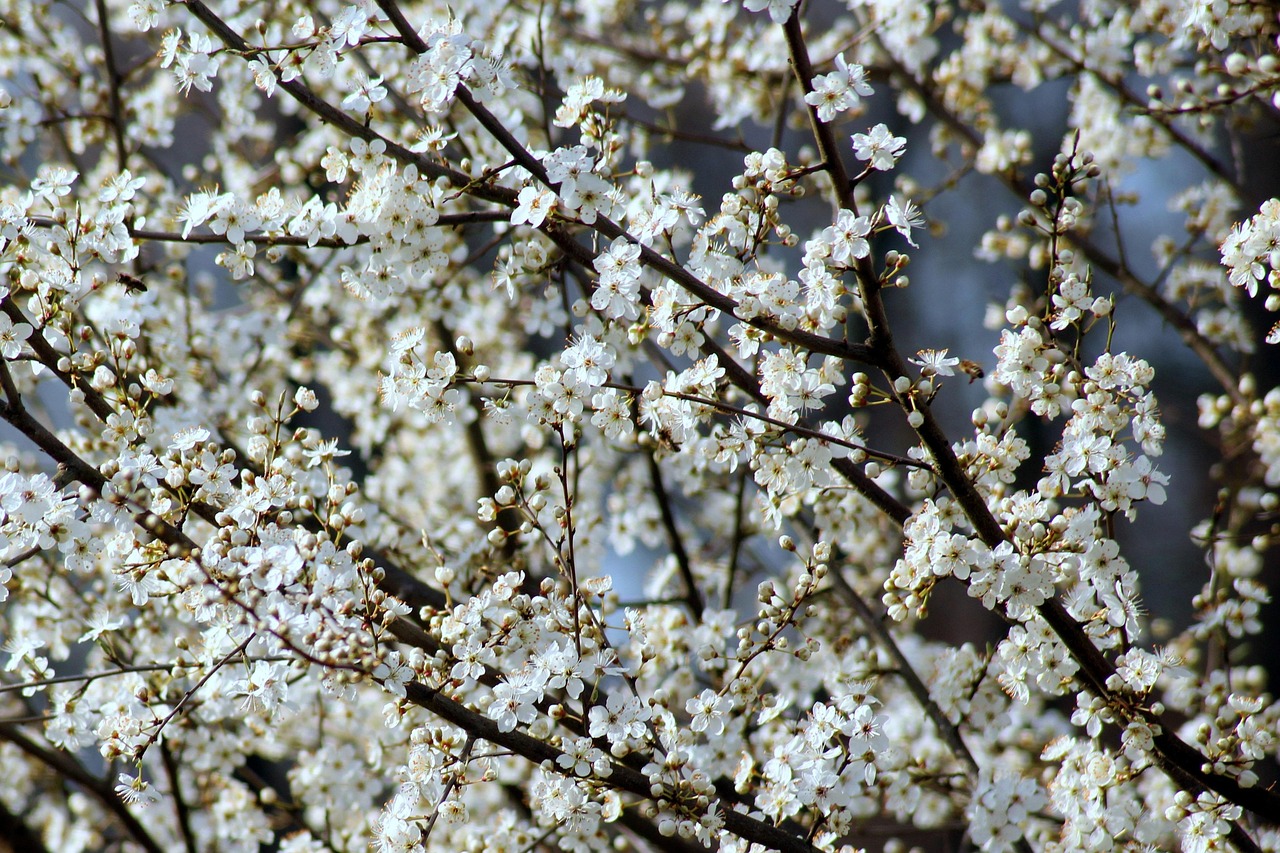
Plum blossoms bloom earlier than cherry blossoms, allowing you to fully enjoy the spring atmosphere even during February-March trips. The fragrance and color vary by variety, with white plums giving a clean impression and red plums appearing more vibrant. Being mindful of cold weather protection and aiming for sunny midday hours makes walking more comfortable.
・Hiraoka Park (Hokkaido)
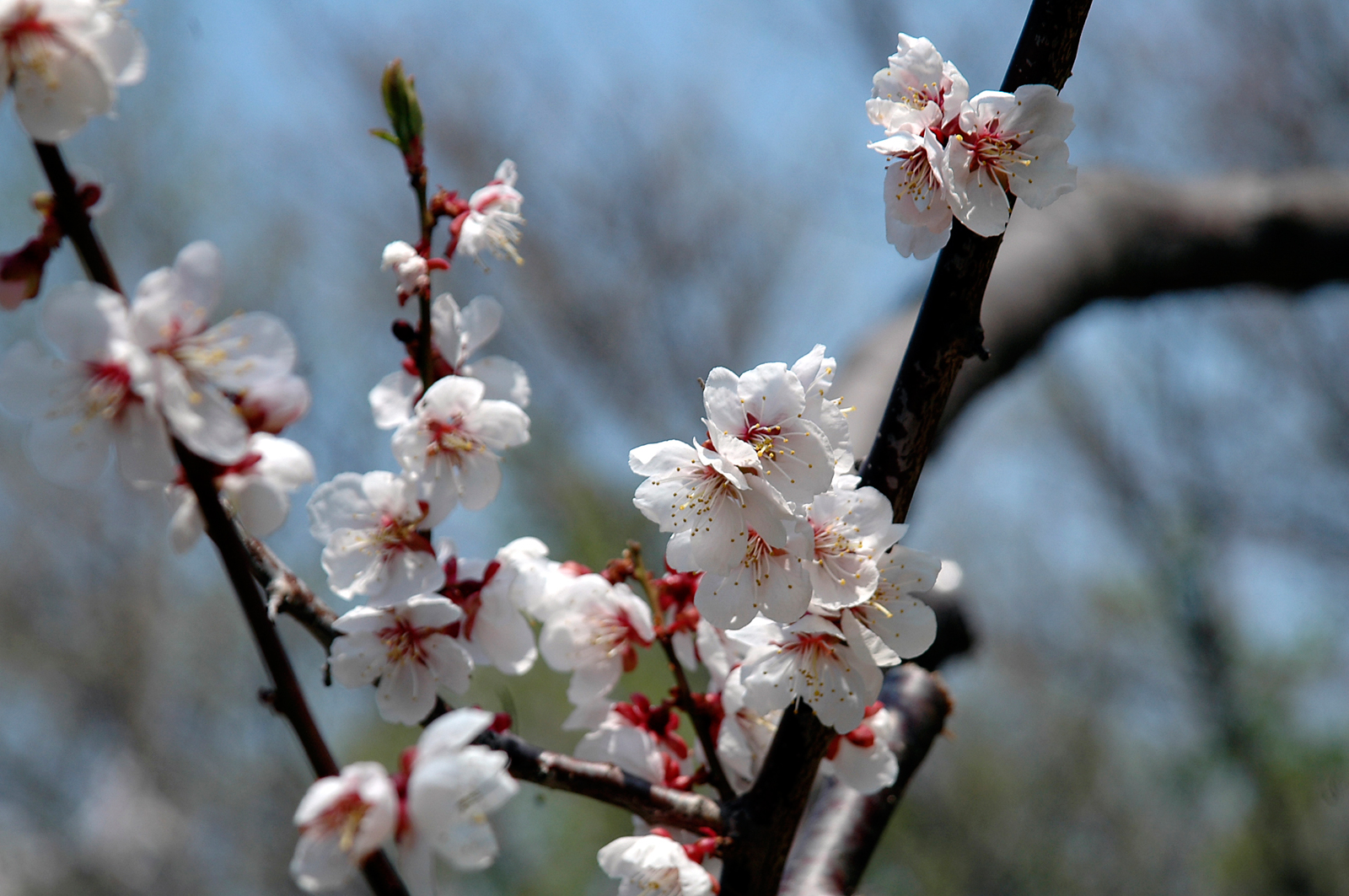
Hiraoka Park is popular as a representative spot for enjoying plum blossoms near Sapporo. You can stroll through the spacious grounds, making it suitable for those who want to include natural time in their itinerary.
・Osaka Castle Park (Osaka Prefecture)
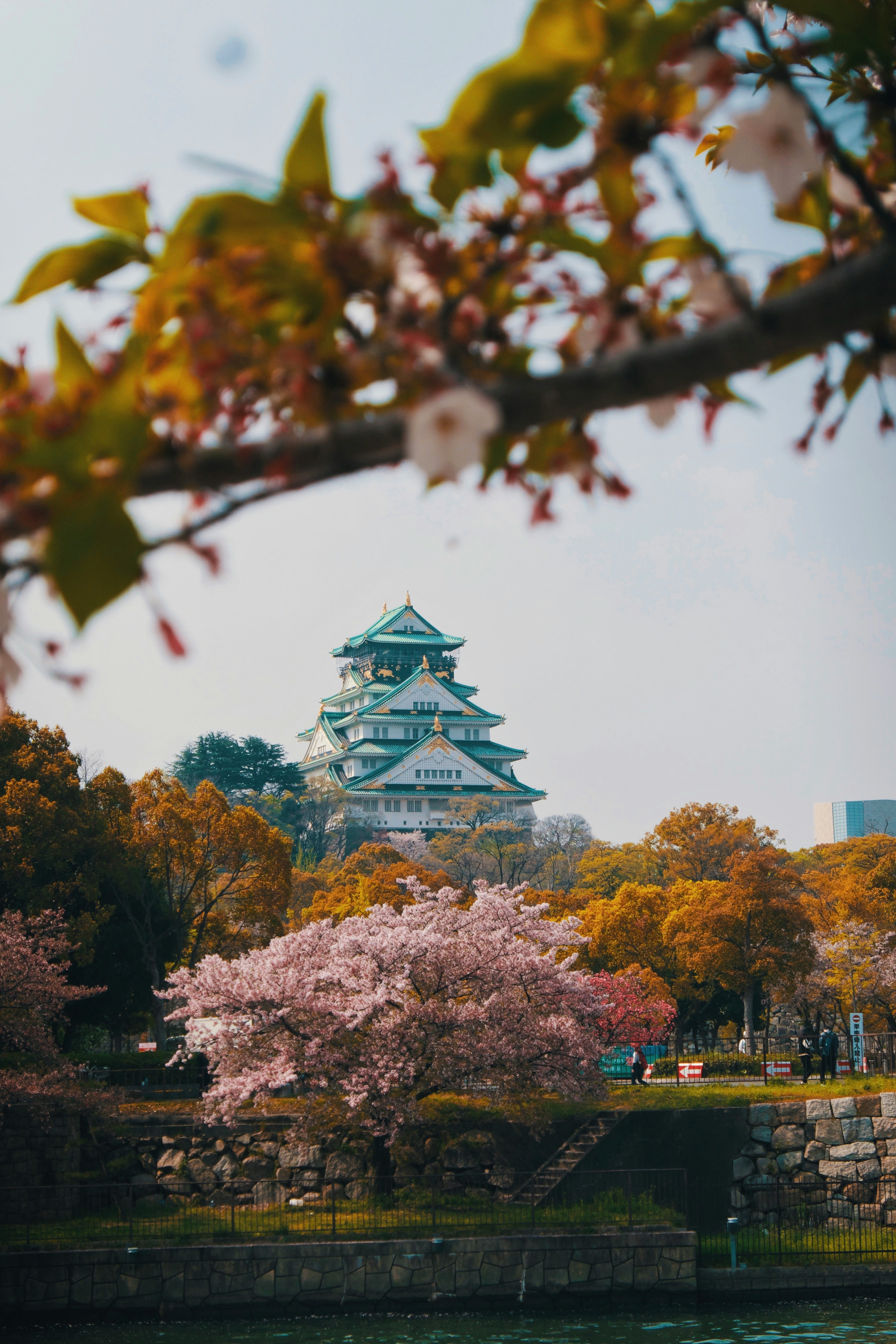
Osaka Castle Park offers picturesque combinations of the castle and plum blossoms, making it easy to include in standard tourist routes. It's a location that easily fits into half-day plans combined with nearby gourmet spots and museums.
1-2. Canola Flowers
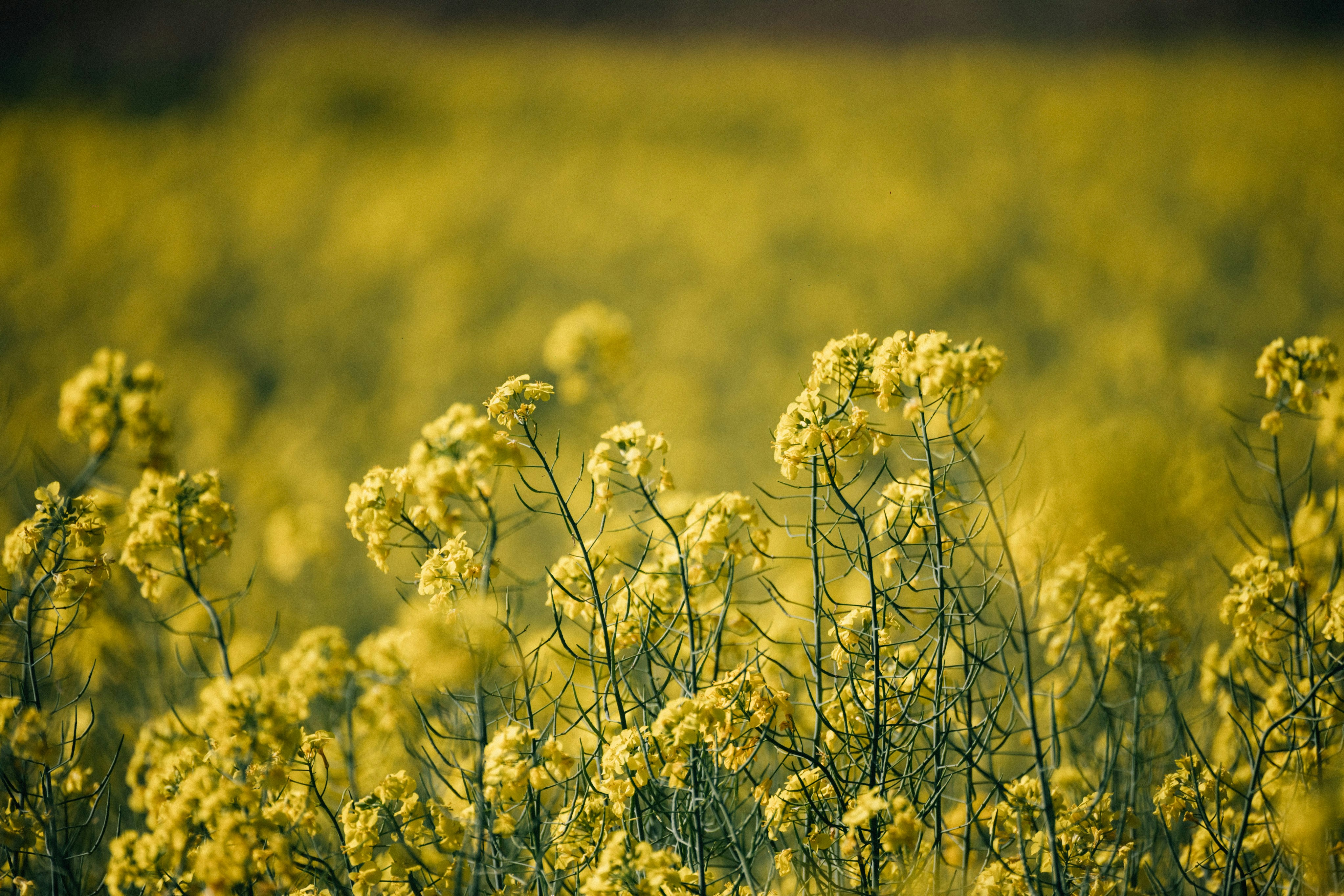
Canola flowers are attractive for their bright yellow color spreading across entire fields, creating a spring-like atmosphere. The peak season is mainly March-April, and on sunny days, the strong contrast with the blue sky increases photo satisfaction. When visiting flower fields, it's proper etiquette to stay on designated paths and avoid trampling the flowers.
・Yakurai Garden (Miyagi Prefecture)
Yakurai Garden is convenient for those who want to include flower scenery during Tohoku travel. Since seasonal flowers can be viewed together, it's structured to provide satisfaction even in a short time.
・Nakagawa Yashio Flower Park (Saitama Prefecture)
Nakagawa Yashio Flower Park is an easily accessible spring flower field spot in the Kanto region. You can enjoy it in a leisurely walking mood, combining flower fields with riverside scenery.
1-3. Moss Phlox
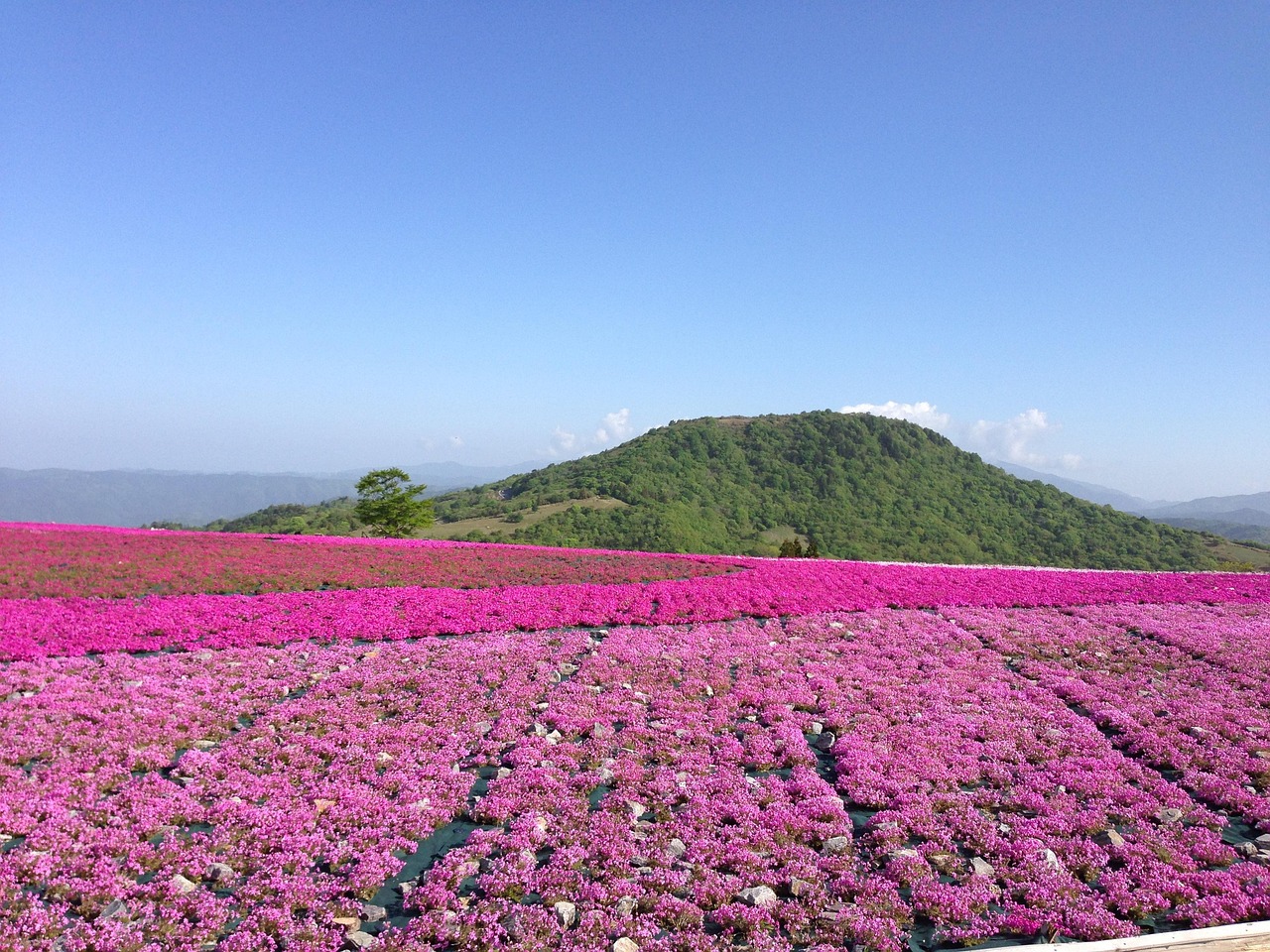
Moss phlox blooms to cover the ground, creating a carpet-like unity when viewed from a distance. The peak season is mainly April-May, making it suitable for those who want to take landscape photos. Since large venues often require considerable walking distances, visiting with comfortable shoes provides peace of mind.
・Higashimokoto Shibazakura Park (Hokkaido)
Higashimokoto Shibazakura Park is known as a famous spot where you can enjoy moss phlox on a scale unique to Hokkaido. Incorporating it into spring driving trips makes the journey itself an event.
Higashimokoto Shibazakura Park
・Tokyo German Village (Chiba Prefecture)
Tokyo German Village is convenient for those who want to target moss phlox in the Kanto region. During flower season, the park's attractions tend to increase, making it an easily navigable spot for family trips.
1-4. Wisteria
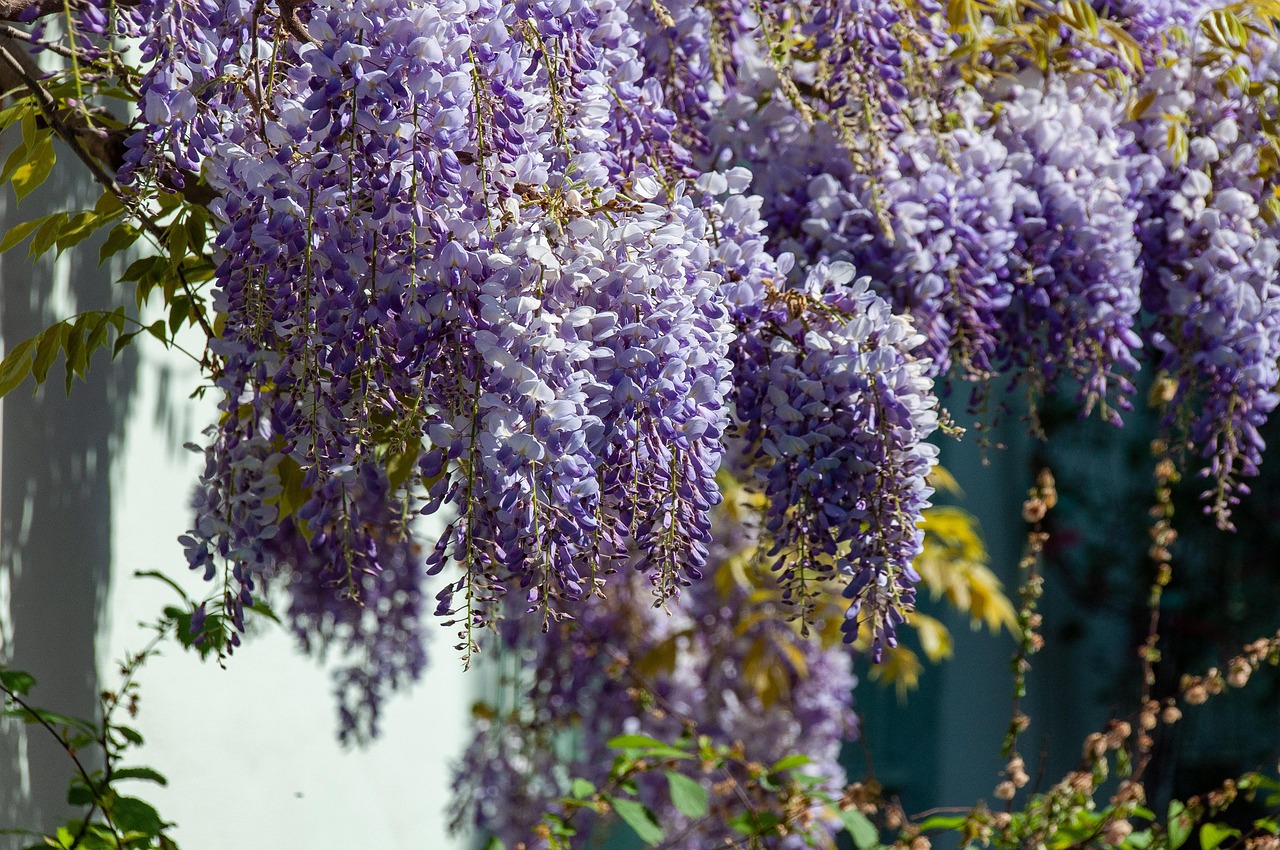
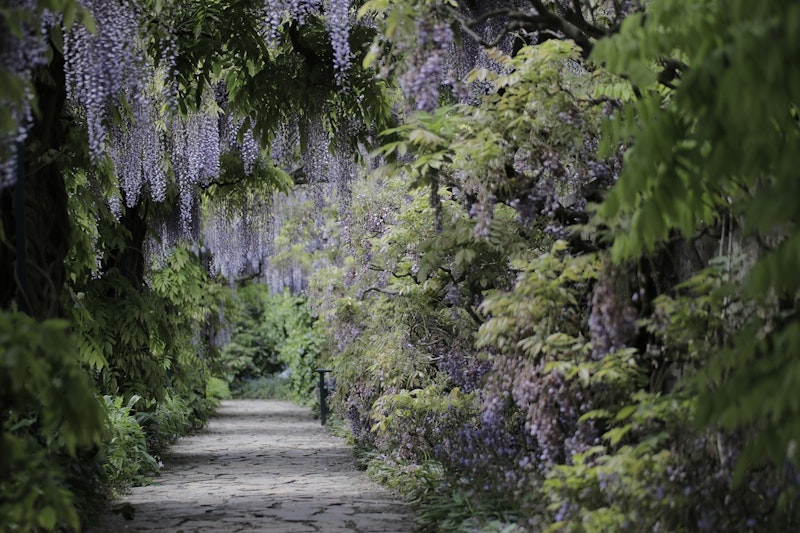
Wisteria is attractive for its cluster-shaped flowers swaying in the wind and sweet fragrance. The peak season is mainly late April to early May, and famous spots where you can walk under wisteria trellises allow you to experience flower curtains. Since this flower tends to attract crowds, arriving early in the morning makes photography easier.
・Fuji no Saku Oka (Gunma Prefecture)
Fuji no Saku Oka is known as a representative wisteria spot in Gunma, where you can enjoy strolling through wisteria trellises. It's also easily accessible from Pacific League home base areas (Saitama direction), making it a spot that meets the need of "wanting to see wisteria in Gunma."
・Kurogi no Ofuji (Fukuoka Prefecture)
Kurogi no Ofuji is known as a spring tradition in southern Fukuoka Prefecture. During event periods such as illuminations, it becomes particularly crowded, so coordinating public transportation information and timing is key.
1-5. Nemophila
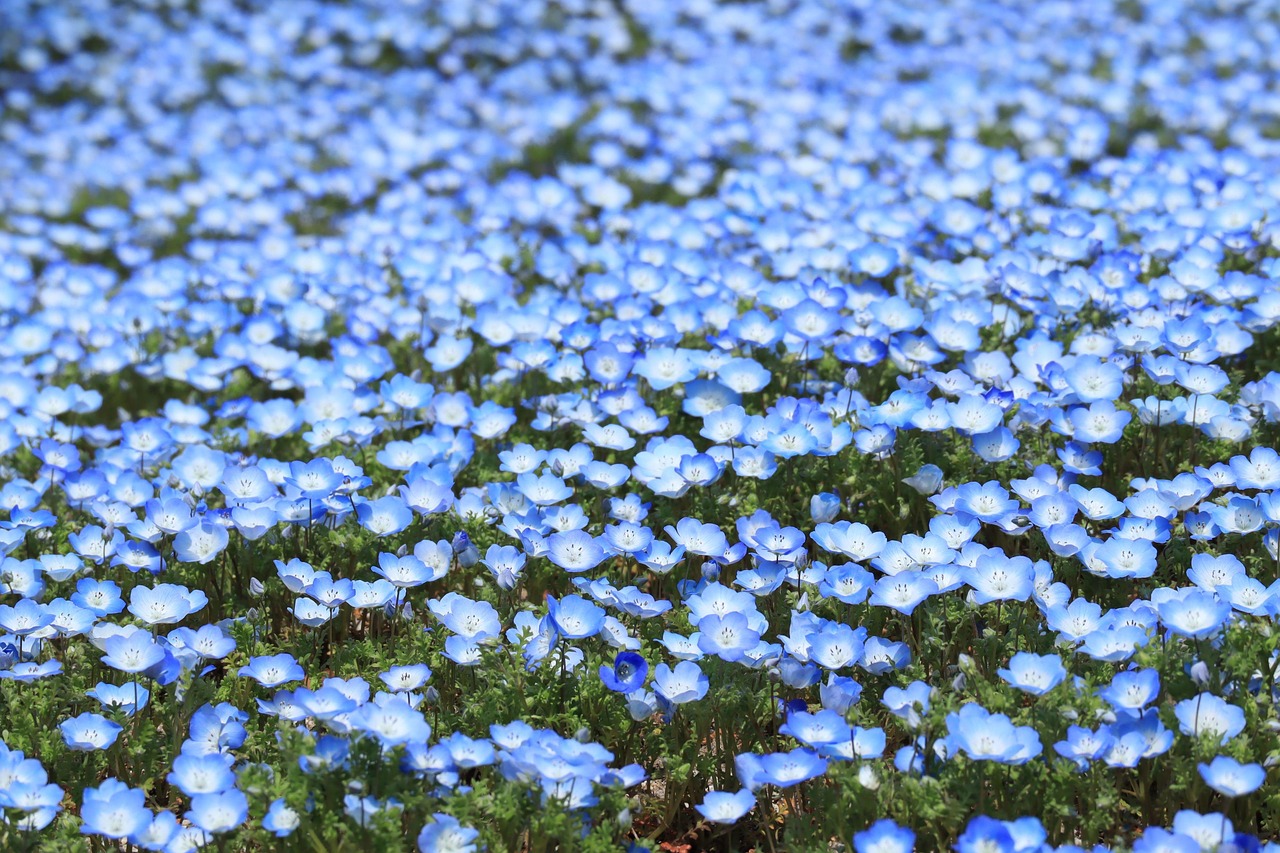
Nemophila is attractive for its pale blue color spreading across fields, creating moments where sky and flower fields appear as one. The peak season is mainly April-May, and days with light wind are suitable for photography as the flowers sway less. Popular spots tend to have entrance queues, so visiting on weekdays or early morning provides peace of mind.
・Hitachi Seaside Park (Ibaraki Prefecture)
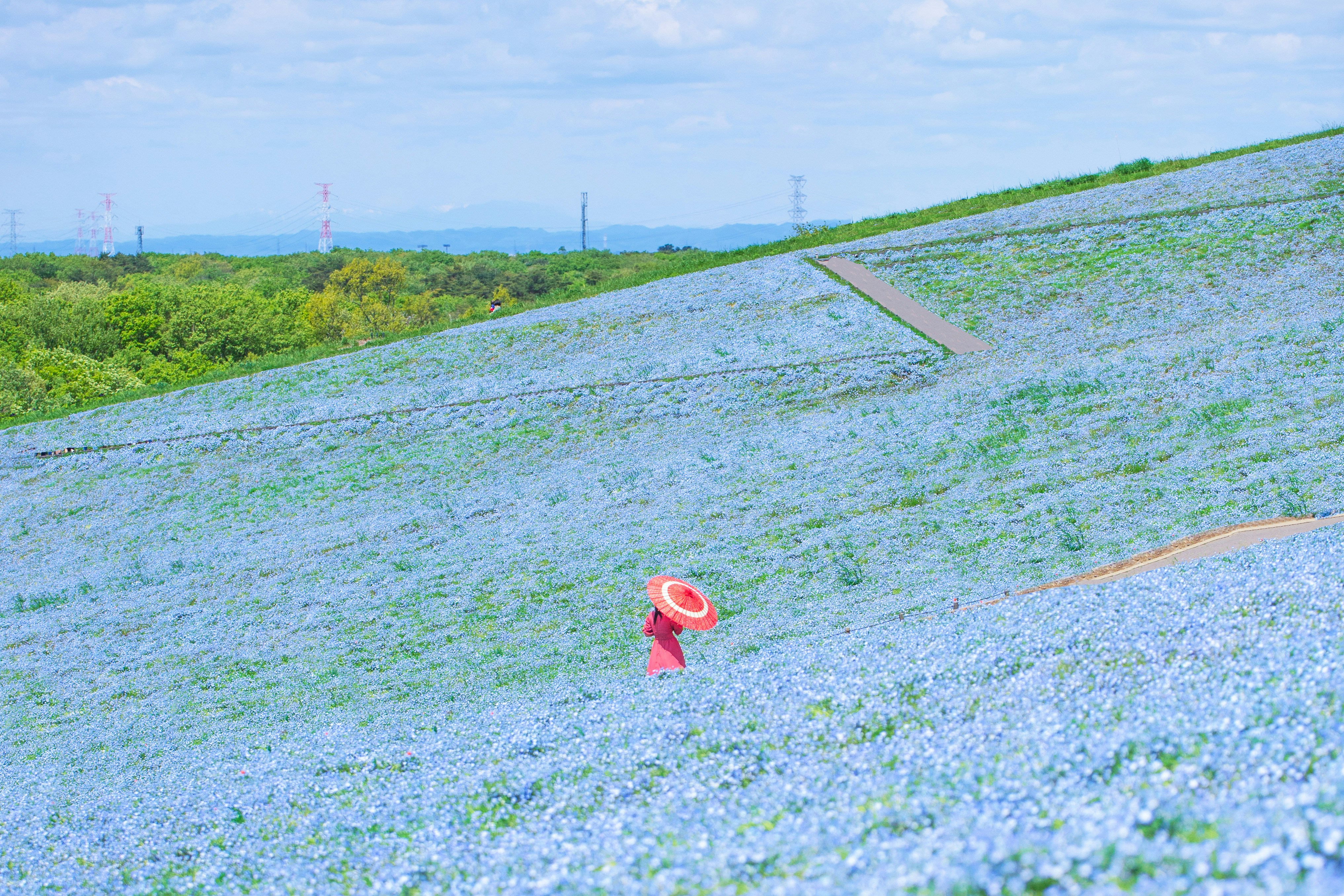
Hitachi Seaside Park is known as the "national standard" for nemophila, where you can target scenery of entire hills dyed blue. If you have Kanto travel plans, it's an easily prioritized famous spot to include.
・Uminonakamichi Seaside Park (Fukuoka Prefecture)
Uminonakamichi Seaside Park is suitable for those who want to include natural time during Fukuoka travel. Since you can enjoy flower fields in the spacious grounds, it's also attractive for spending time in a picnic-like atmosphere.
Note that both parks are popular for tulip flower fields in spring, allowing you to enjoy not only blue nemophila but also red and yellow flower scenery on the same day. Since some years overlap with nemophila's peak season, they're also recommended for itineraries wanting to see multiple flowers in one location.
・Huis Ten Bosch (Nagasaki Prefecture)
Huis Ten Bosch, famous as a tulip destination in Kyushu, is located in Sasebo City, Nagasaki Prefecture, not Fukuoka. If using Fukuoka as a base, you can easily organize a flow of seeing nemophila at Uminonakamichi Seaside Park and, if your schedule allows, extending to Nagasaki to enjoy tulip cityscapes.
1-6. Muscari
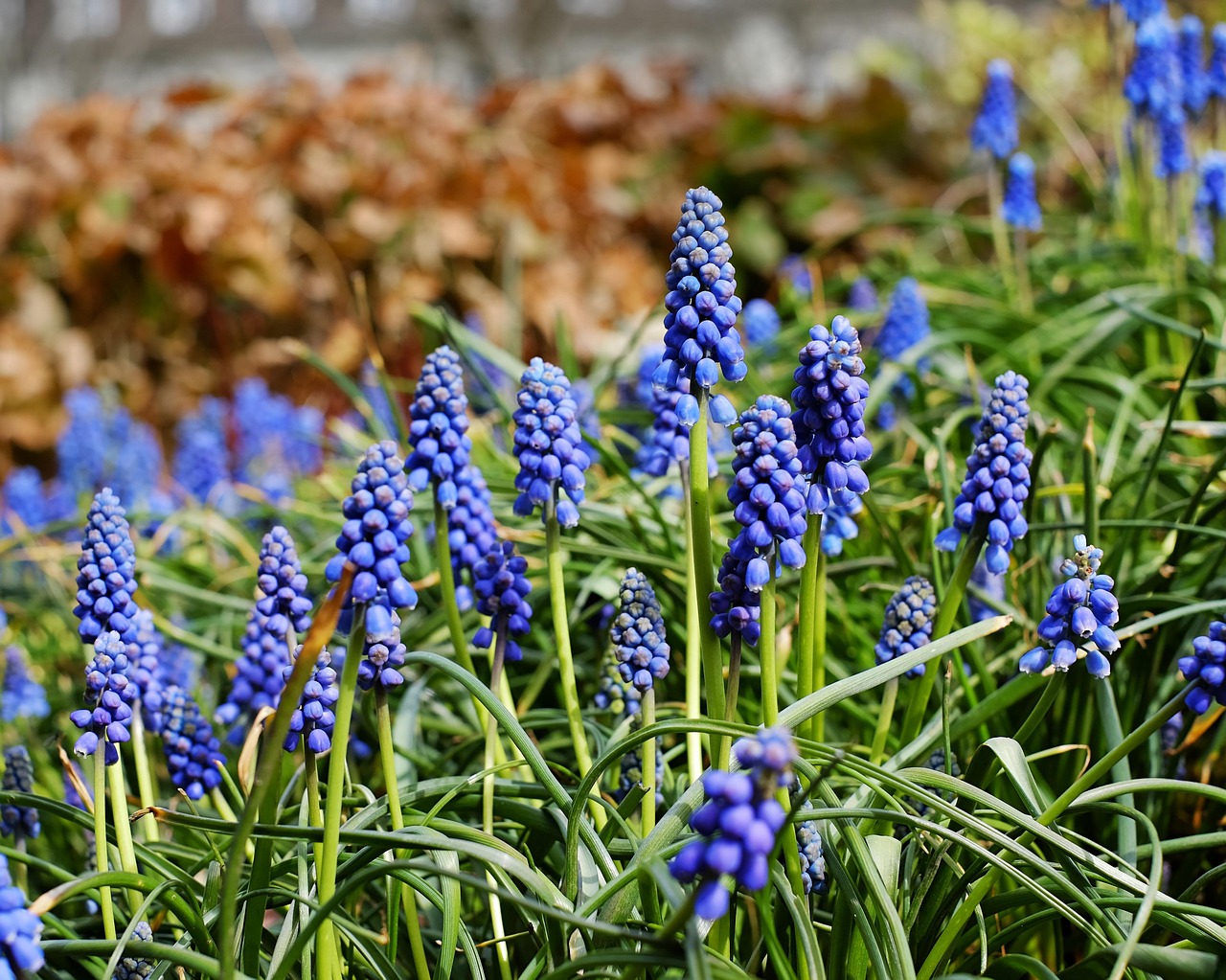
Muscari features small urn-shaped flowers blooming in dense clusters, with blue-purple colors that accent spring flower beds. The peak season is around April in mainland Japan and around May in Hokkaido, and some locations offer co-starring with other flowers like tulips. Since they bloom at low heights, crouching down for photos better conveys the flower density.
・Yurigahara Park (Hokkaido)
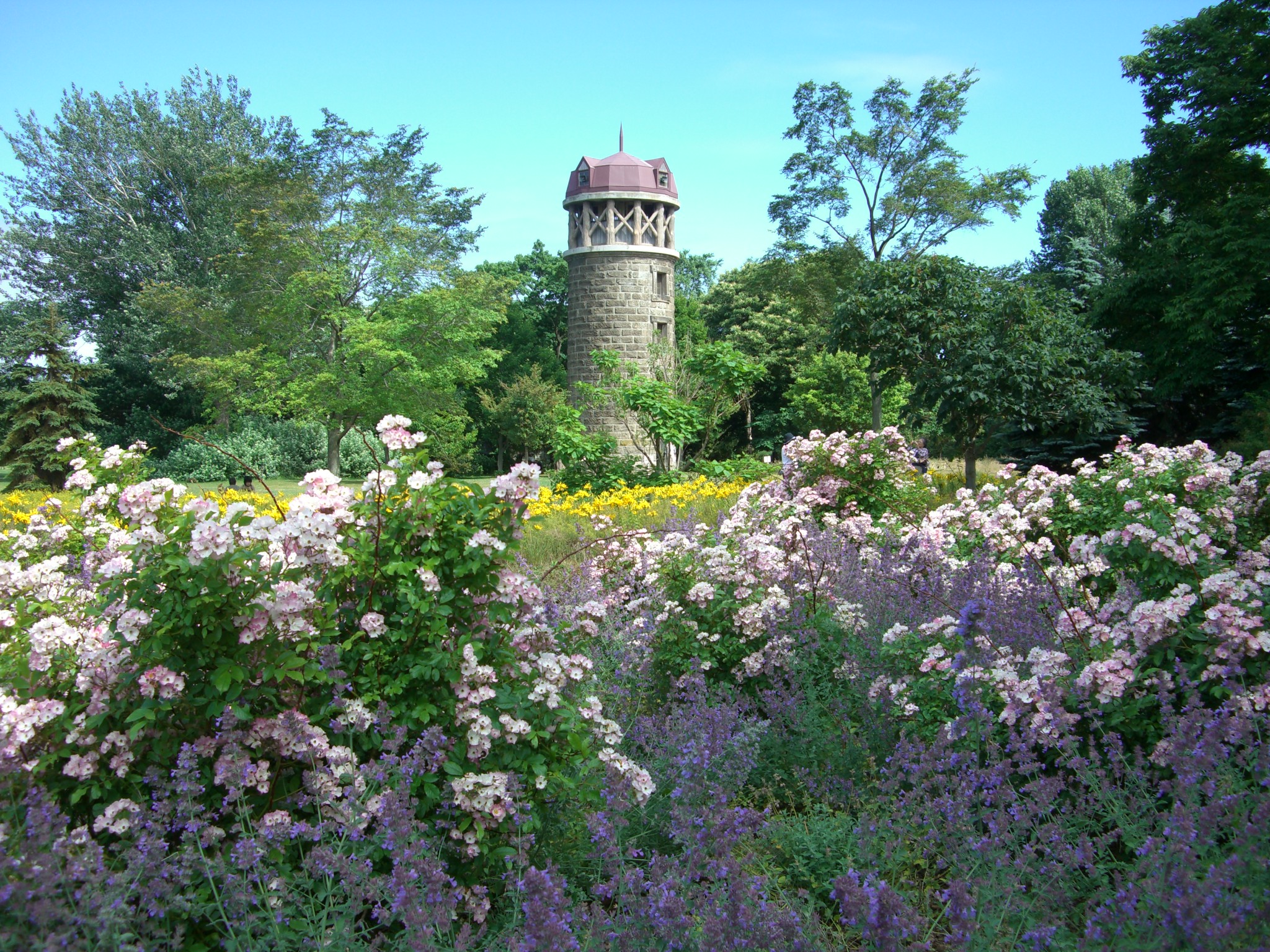
Yurigahara Park is known as a park where you can enjoy seasonal flowers in the Sapporo area. The greenhouse and park facilities are also easily utilized, helping maintain schedules even on days with unstable weather.
・Expo '70 Commemorative Park (Osaka Prefecture)
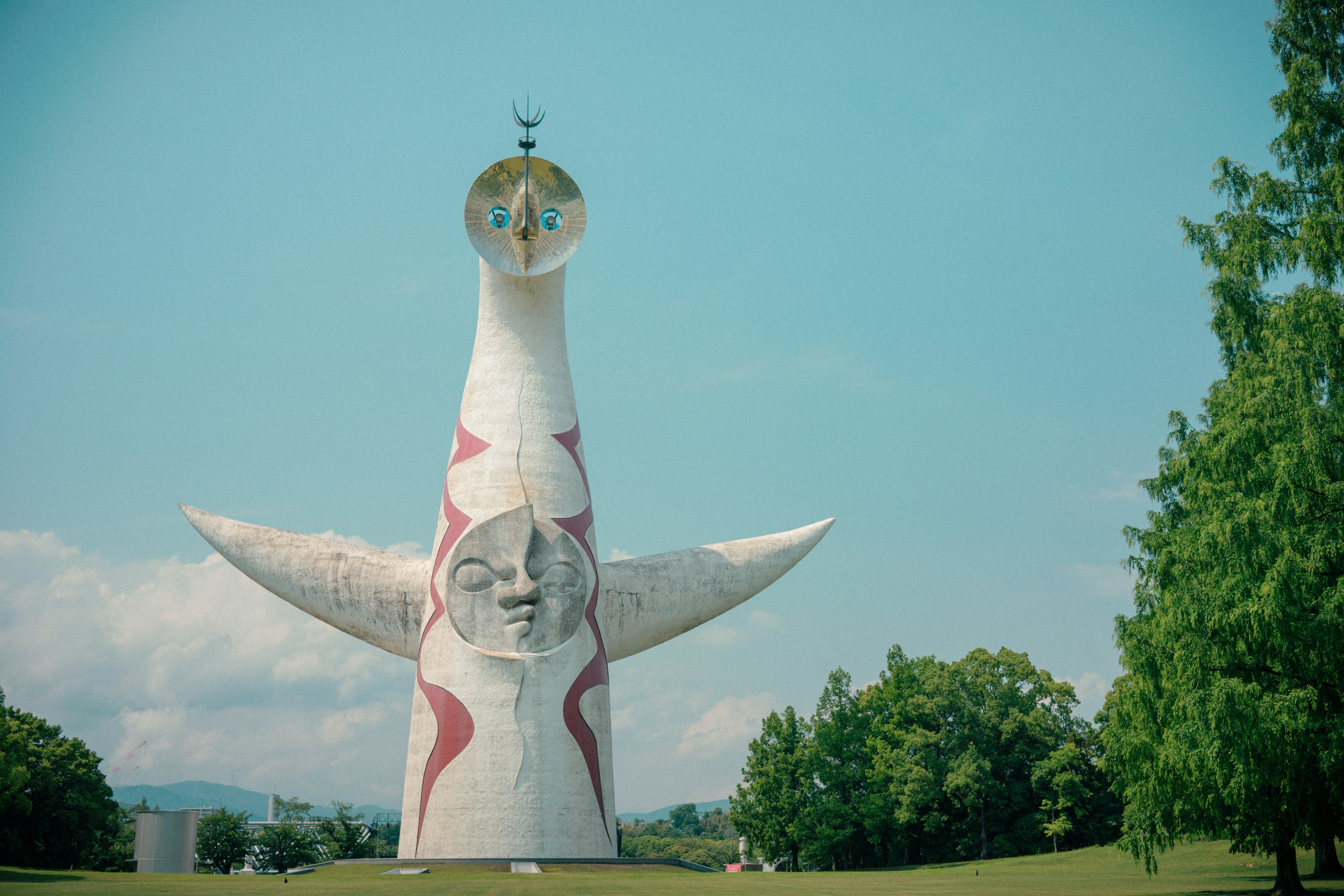
Expo '70 Commemorative Park is a spot where you can easily spend a full day with flower fields and spacious lawns. It's easy to combine with nearby sightseeing along with park strolling, making itinerary adjustments easier.
Muscari are often planted together with tulips, and the contrast between blue-purple and primary colors is photogenic. When walking through flower bed areas, since there are early and late blooming sections even within the same park, checking blooming information on information boards helps prevent missing them.
1-7. Peony
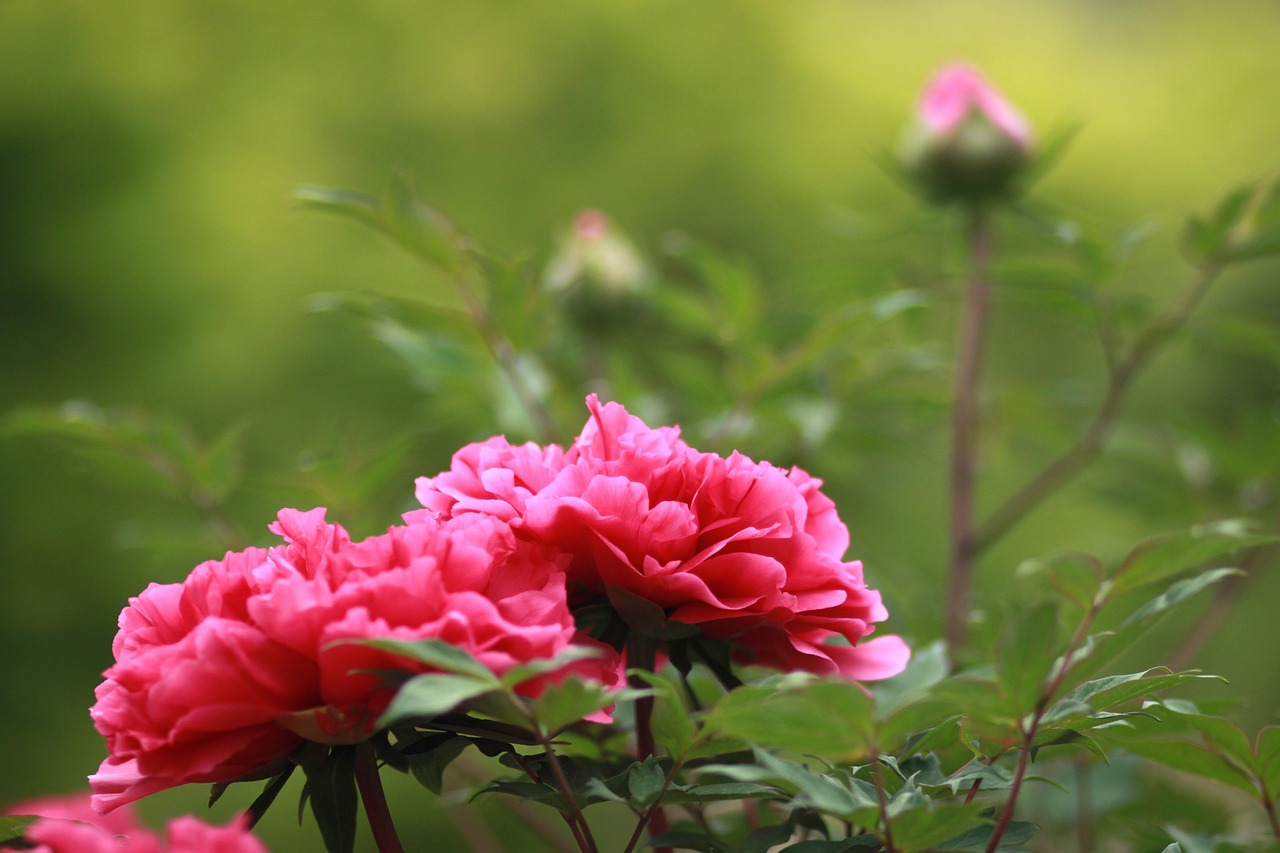
Peonies are also called the king of flowers, characterized by large, gorgeous blooms with strong presence. The peak season is mainly April-May, and since some flowers are vulnerable to rain, checking weather forecasts and targeting sunny periods increases satisfaction. Following garden and park route guidelines during viewing helps prevent flower damage.
・Mobara Peony Garden (Chiba Prefecture)
Mobara Peony Garden becomes a candidate for those who want to travel specifically for peonies in the Chiba direction. Since peonies have relatively short peak periods, checking blooming status is important.
・Suma Rikyu Park (Hyogo Prefecture)
Suma Rikyu Park is a place where you can easily add garden time to Kansai region sightseeing. Combined with Kobe tourism, you can enjoy both city walks and flower scenery.
1-8. Lupine
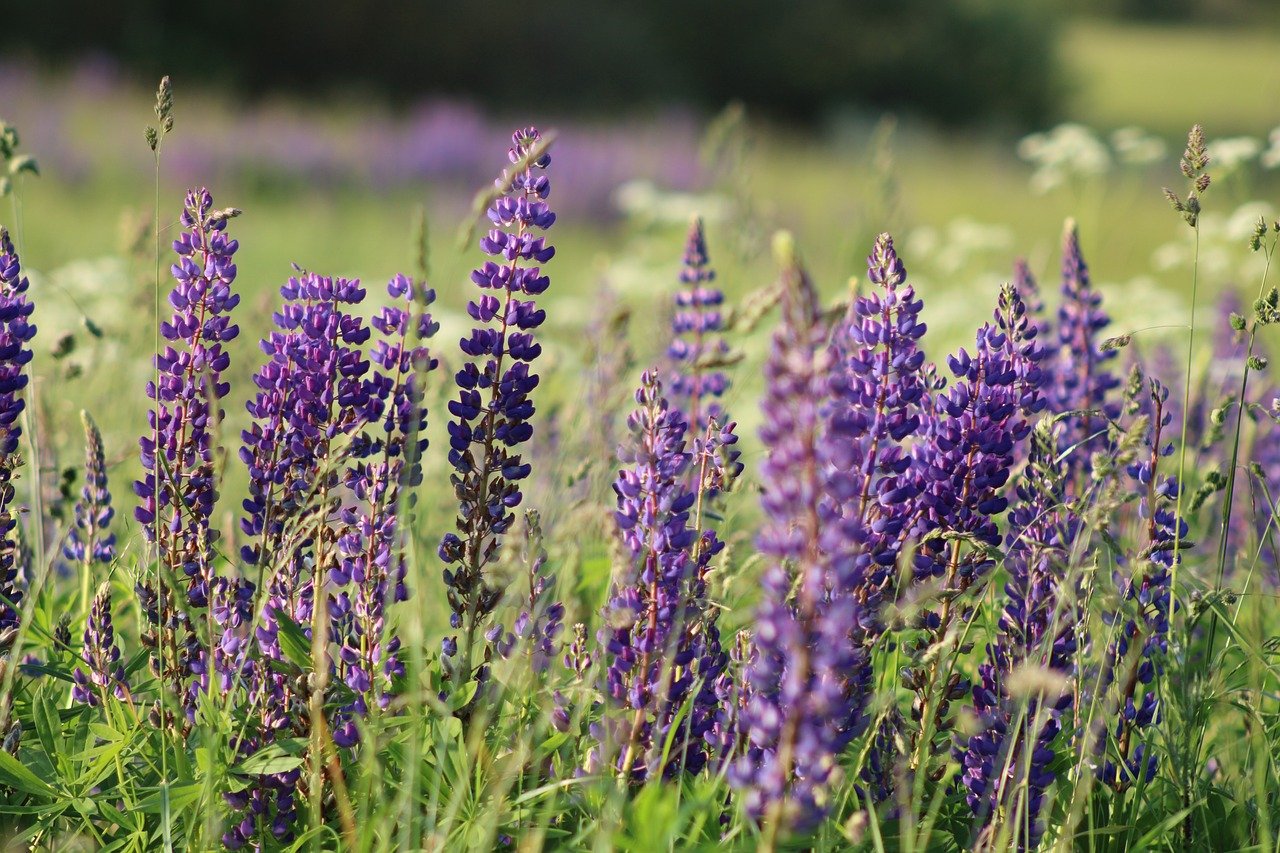
Lupines have a distinctive form with flowers growing vertically, creating rhythm in photographs. The peak season is around May, and on days with good weather, flower colors photograph more vividly. On windy days, flowers sway, so continuous shooting and shutter speed adjustments are important.
・Flower Land Kamifurano (Hokkaido)
Flower Land Kamifurano is a popular candidate for spring to early summer flower trips in the Furano direction. Since you can enjoy lupines in expansive scenery, it also pairs well with driving trips.
・Musashi Kyuryo National Forest Park (Saitama Prefecture)
Musashi Kyuryo National Forest Park is suitable for those who want to enjoy seasonal flowers together in the Kanto region. Since the park grounds are extensive, utilizing transportation methods like bicycle rentals makes getting around easier.
Musashi Kyuryo National Forest Park
1-9. Japanese Kerria
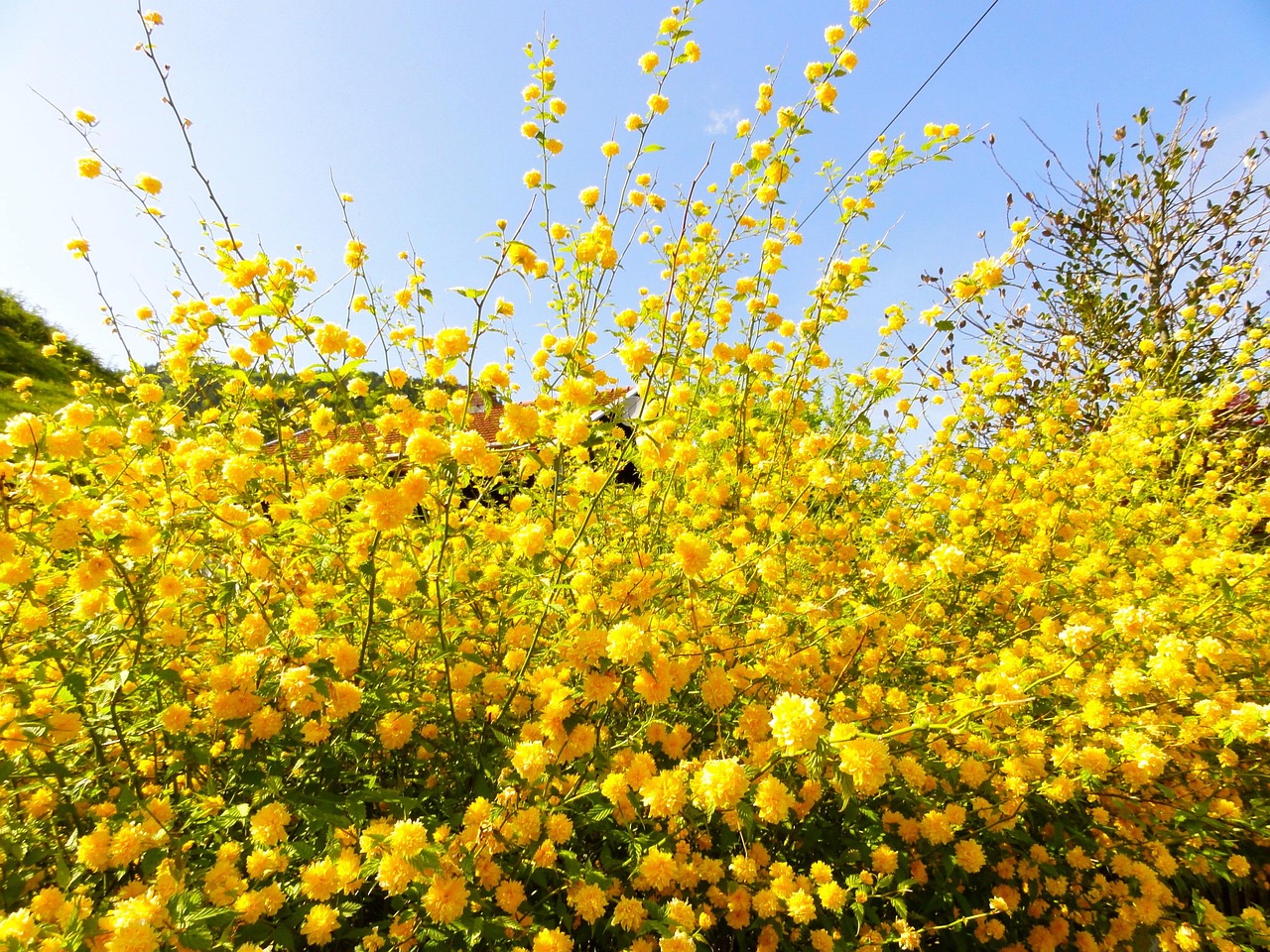
Japanese kerria is a spring flower with bright yellow blooms covering entire branches, compatible with Japanese landscapes. The peak season is around April, suitable for those who prefer colors that aren't too flashy. Since it overlaps with the fresh green season, the combination of yellow and green is photogenic.
・Yamabuki Flower Village Historical Park (Saitama Prefecture)
Yamabuki Flower Village Historical Park is a spot worth visiting specifically for Japanese kerria. If you want to avoid peak crowds, arriving in the morning hours makes walking easier.
Yamabuki Flower Village Historical Park
・Matsunoo-taisha (Matsuo-taisha) Shrine (Kyoto Prefecture)
Matsunoo-taisha (Matsuo-taisha) Shrine is convenient for those who want to enjoy seasonal flowers during Kyoto sightseeing. Combining worship with flower viewing creates a calm, Kyoto-like spring experience.
Matsunoo-taisha (Matsuo-taisha) Shrine
2. Extra Edition | Flowers to See from Early Summer to Summer
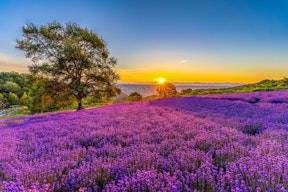
After enjoying spring flowers, if you can extend your itinerary a bit further, Hokkaido's lavender is unmissable. Lavender typically begins to show color from late June, reaching peak viewing from early to mid-July. After that, harvesting progresses and the scenery transitions toward the end of summer, so the target period is the first half of July.
The representative viewing area is around Furano and Nakafurano, where purple bands spreading across hills combined with blue skies create quintessentially Hokkaido shots. Since this is a crowded period, choosing early morning hours makes photography easier and allows you to enjoy the fragrance.
・Farm Tomita (Hokkaido)
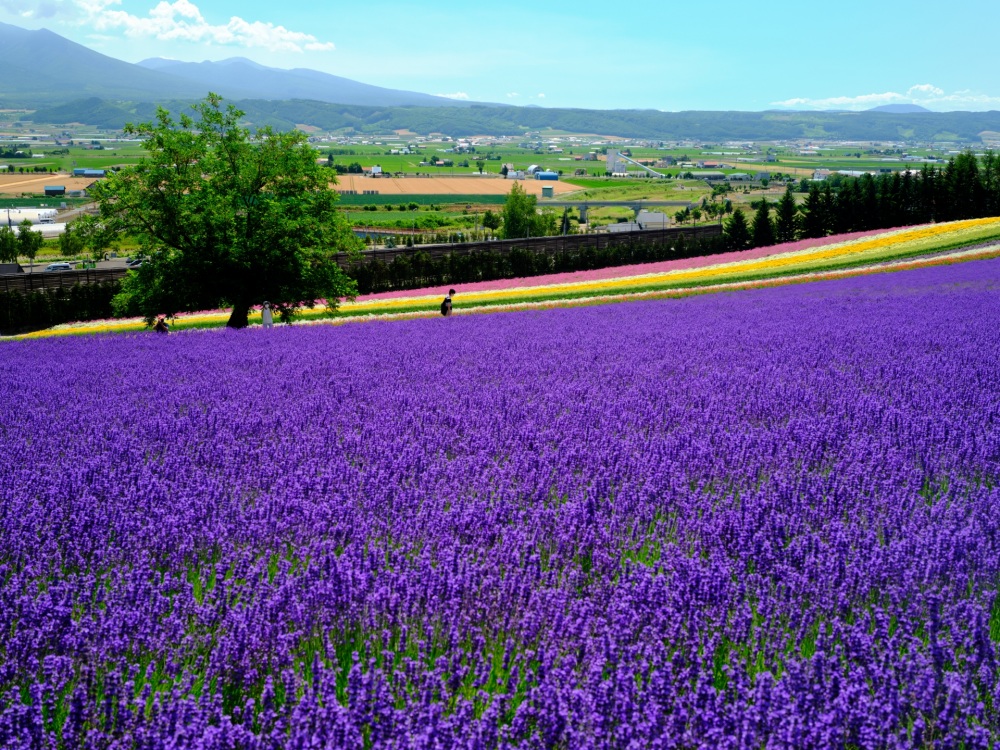
Farm Tomita is a representative lavender destination in the Furano area. The grounds include seasonal flower fields and cafes, making it a spot where you can easily combine viewing with rest. Official guidance is also provided for lavender blooming and peak season estimates.
Summary
Spring flowers other than cherry blossoms have different optimal choices depending on travel timing. For February-March, plum blossoms offer early spring feelings, while March-April is recommended for targeting bright flower fields with canola flowers. April-May is prime time for moss phlox, wisteria, and nemophila, when famous spots with strong color impact increase.
Centering on major areas of Hokkaido, Miyagi, Saitama, Chiba, Osaka, and Fukuoka, and including surrounding Hyogo and Kyoto, you can choose flower scenery suitable for your itinerary from 20 spots. Since blooming varies with weather conditions, checking the latest blooming information before departure and avoiding crowds through early morning visits or weekday travel will increase satisfaction.
※This article was created based on information as of January 2026