19 Most Popular Japanese Foods You'll Want to Eat in Japan During Winter


Winter in Japan is truly a season that deserves to be called "the season of food." As temperatures drop, warm dishes like hot pot, oden, pork miso soup, and hot tofu grace dining tables, gently soothing travel fatigue. Seafood also reaches its peak season, allowing you to enjoy luxurious flavors such as crab, winter yellowtail, oysters, and pufferfish throughout various regions. Additionally, seasonal traditions unique to Japan cannot be missed, including mandarin oranges eaten around the kotatsu (heated table), osechi cuisine essential for New Year, and sweet, warm oshiruko (sweet red bean soup) and mochi (rice cakes).
The charm of Japan lies in how seasoning and cooking methods differ by region, allowing you to enjoy completely different flavors of the same dish depending on the location. The food culture that brings warmth unique to winter's harsh cold continues to thrive.
This article introduces representative dishes you should definitely try during winter travel in Japan, along with the reasons for their deliciousness and regional characteristics.
Table of Contents
1. The Best Japanese Foods to Eat When Visiting Japan in Winter
1-1. Hot pot
1-2. Oden
1-3. Fugu (Pufferfish)
1-4. Oshiruko (Sweet Red Bean Soup)
1-5. Yudofu (Boiled tofu)
1-6. Ramen
1-7. Senmaizuke
1-8. Mochi
1-9. Hot udon
1-10. Hot soba
1-11. Zosui
1-12. Pork miso soup
1-13. Osechi ryori (New Year's dishes)
1-14. Crab
1-15. Yellowtail
1-16. Oysters
1-17. Yuzu
1-18. Mandarin oranges
1-19. Persimmons
Summary
1. The Best Japanese Foods to Eat When Visiting Japan in Winter
Winter in Japan offers many warm dishes that help ease the cold. Hot pot and oden made with seasonal ingredients, and ramen and pork miso soup that warm you from the core are classic dishes that heal travel fatigue. Furthermore, winter-exclusive delicacies such as fugu, crab, oysters, and yellowtail seafood cannot be missed. For desserts, seasonal fruits like mandarin oranges and persimmons, and traditional sweets such as oshiruko and mochi are popular.
Winter Japan, where "food" becomes particularly abundant among the four seasons, is the ultimate gourmet season for visitors to Japan. Here we introduce Japanese foods you'll want to eat in winter.
1-1. Hot pot
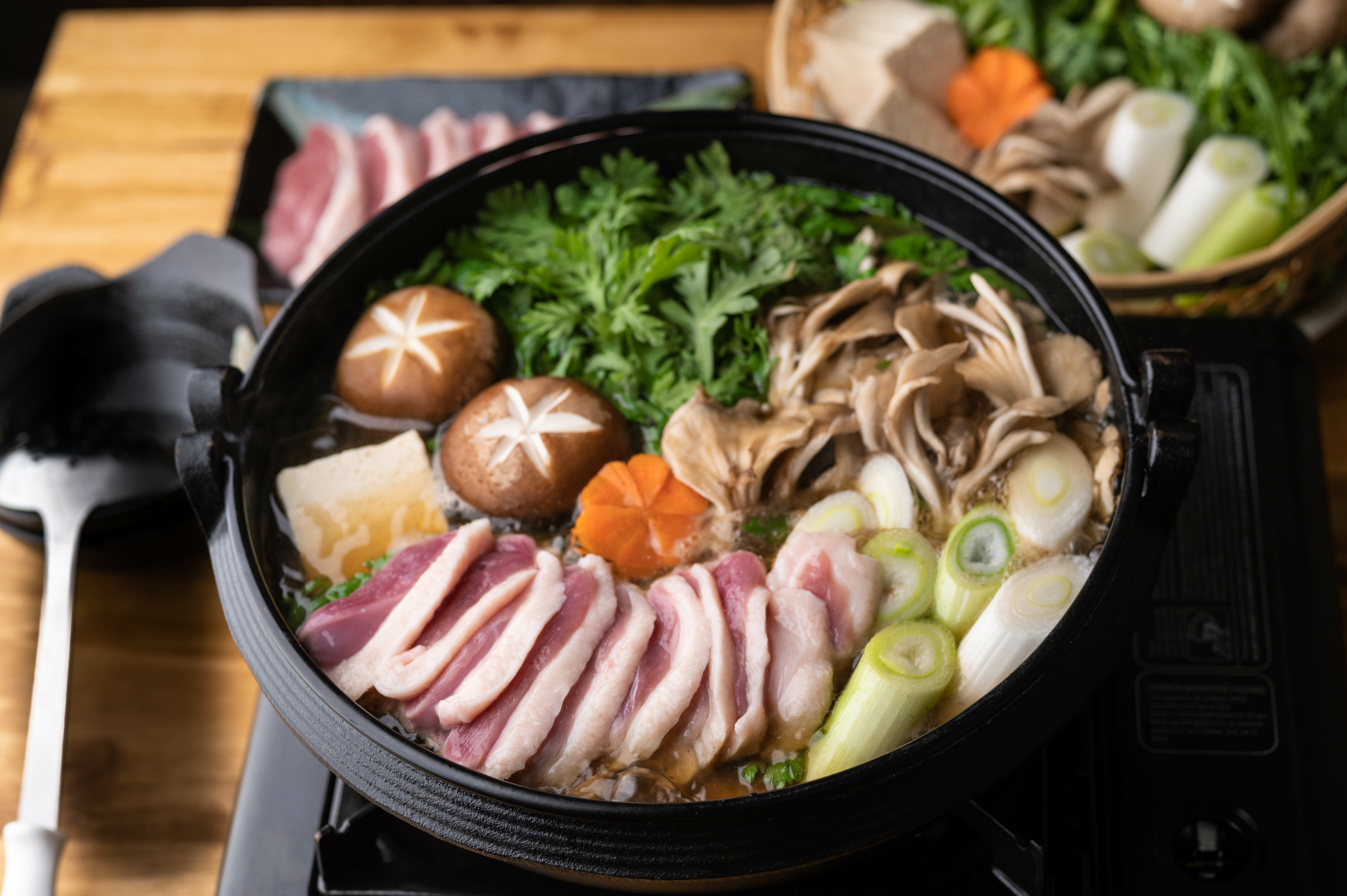
Hot pot is an essential home-cooked dish for winter in Japan, a classic dish that warms both heart and body. The scene of gathering around a large pot to eat together with family and friends can be called a winter tradition unique to Japan. Basically, ingredients are simmered in kombu (kelp) or katsuobushi (bonito flake) broth and enjoyed with ponzu (citrus soy sauce) or sesame sauce.
Seasonings and ingredients vary by region and household; Hokkaido's Ishikari hot pot features salmon and miso base, while Hakata's motsu hot pot is characterized by rich flavors with garlic chives and garlic. Popular hot pots like sukiyaki and shabu-shabu are also abundant, offering excellent nutritional balance with meat, fish, vegetables, and tofu.
Hot pot is a winter delicacy that visitors to Japan should definitely experience, as it's a dish where you can share the umami of ingredients in one pot and deepen bonds.
1-2. Oden
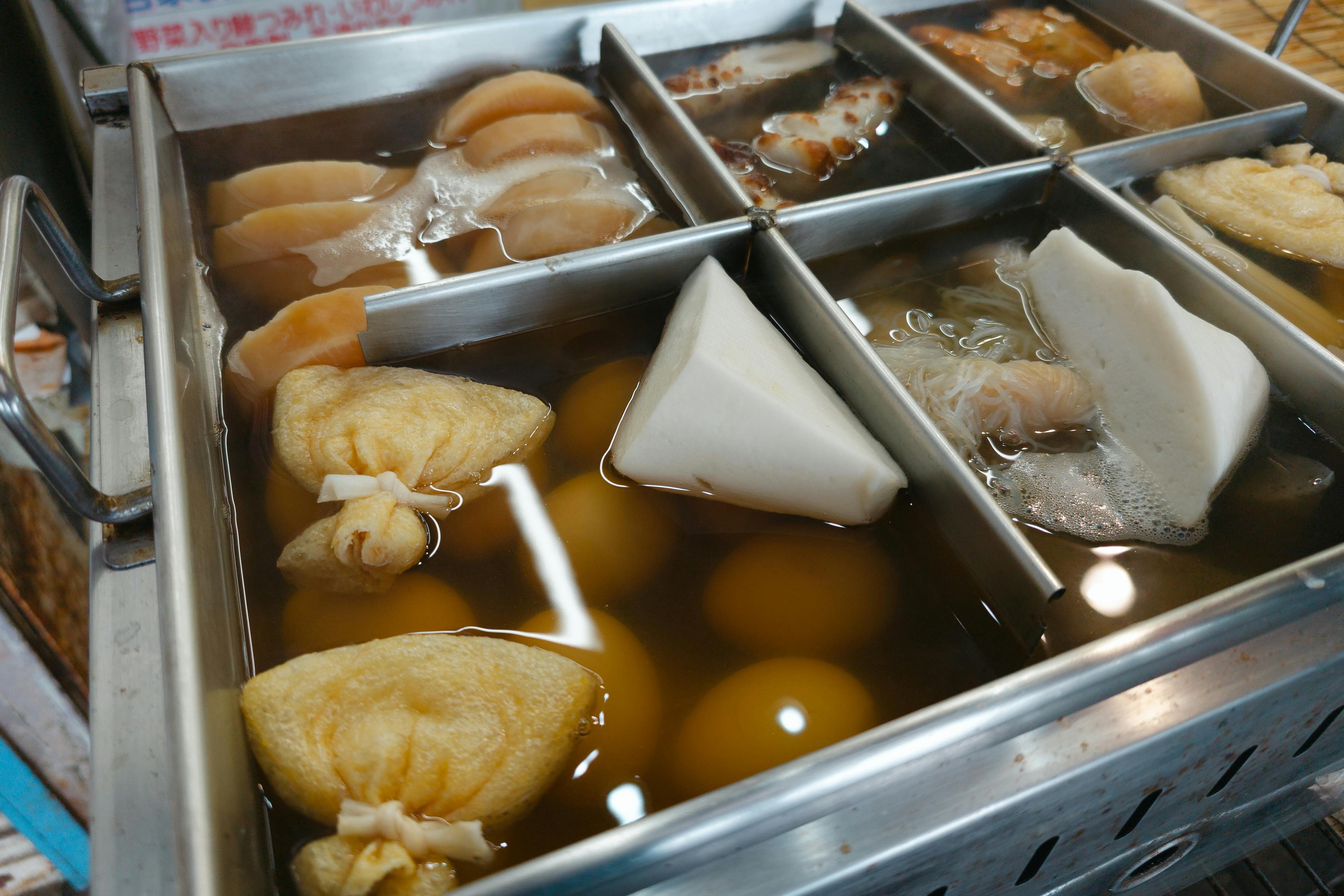
Oden is a traditional Japanese winter dish slowly simmered in broth. Various ingredients such as daikon radish, eggs, konjac, and chikuwa (tube-shaped fish cake) absorb the flavors, creating deep umami. The broth varies by region; Kanto typically uses a dark soy sauce base, while Kansai finishes it lightly with light soy sauce.
In winter, oden is sold at convenience stores and street stalls, making it easily accessible, which is one of its charms. Adding mustard or yuzu pepper paste to hot oden will warm you from the core. Oden, which has different flavors throughout Japan, is a representative winter dish where you can enjoy small discoveries while traveling.
1-3. Fugu (Pufferfish)
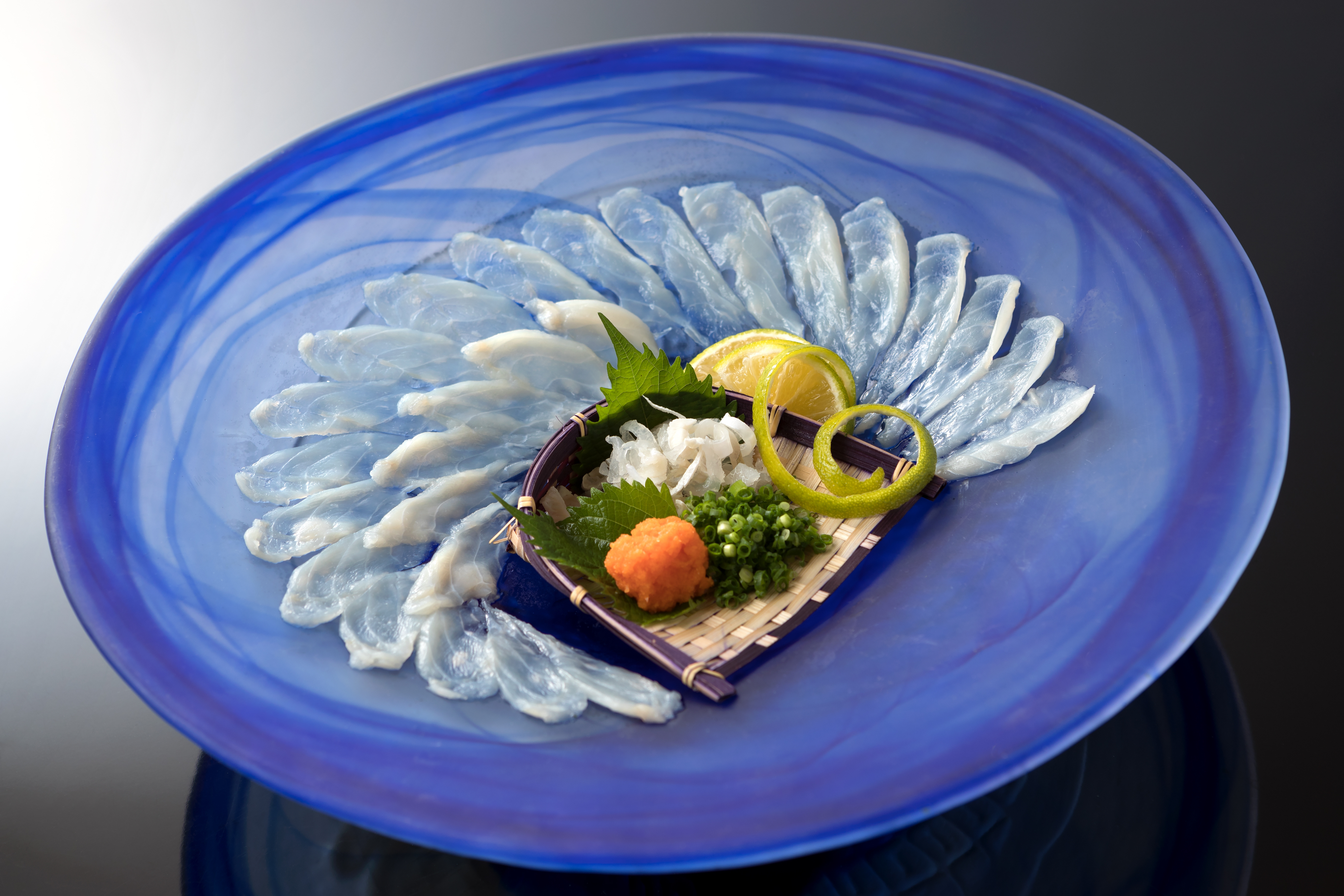
Fugu is one of the luxury ingredients representing winter Japan. During the cold season, the flesh becomes firm, offering a delicate and elegant flavor. Since fugu contains a toxin called tetrodotoxin, special licensing is required for preparation. At restaurants, specialized chefs with licenses prepare it, so you can eat it safely.
Representative dishes include thinly sliced sashimi called "tessa" and "tecchiri hot pot" simmered with vegetables. When eaten with ponzu and condiments, the original umami of fugu stands out.
Fugu, with its light yet deep flavor and elastic texture, is a special gourmet experience that can only be enjoyed during winter in Japan. Try it once as a travel memory.
1-4. Oshiruko (Sweet Red Bean Soup)
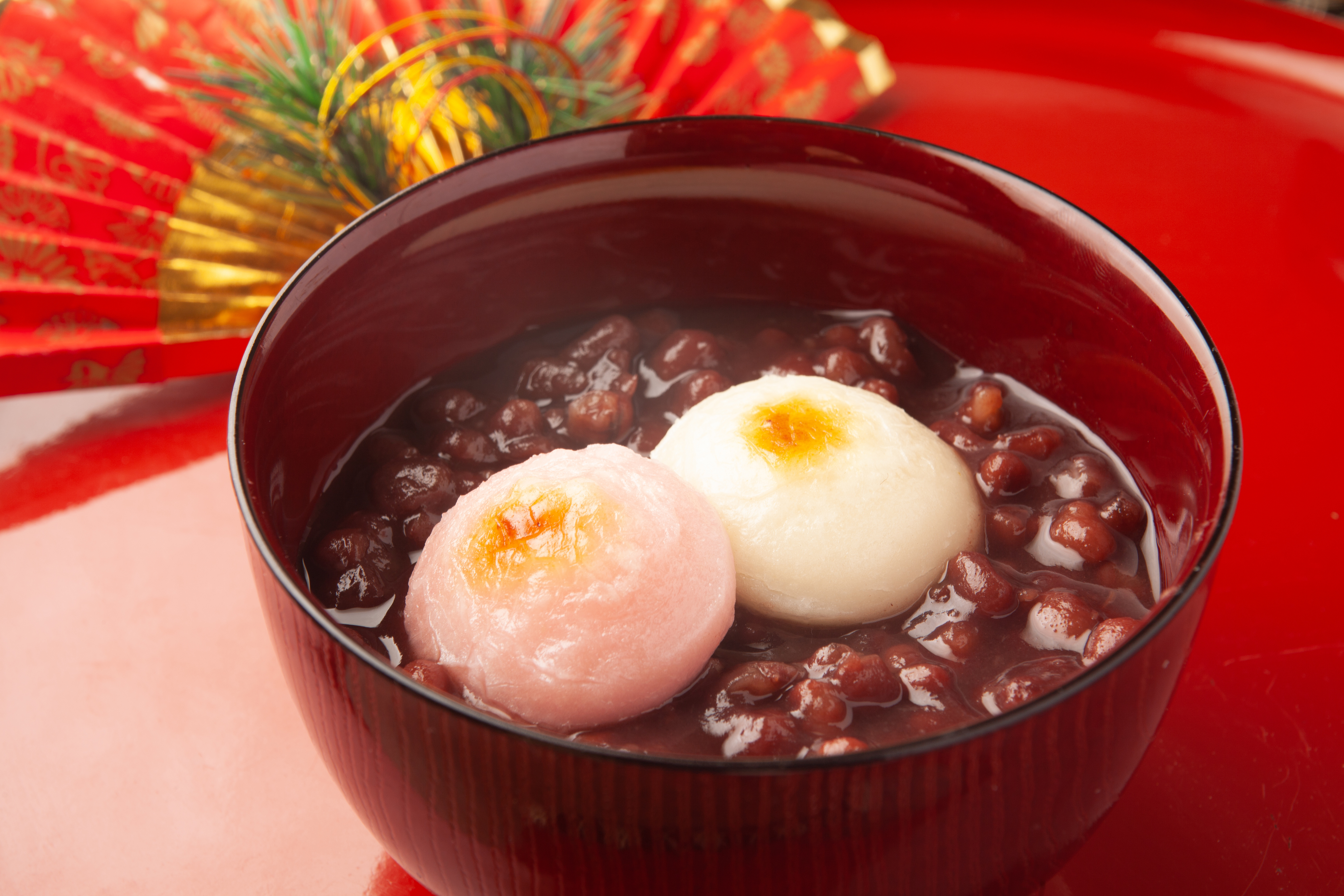
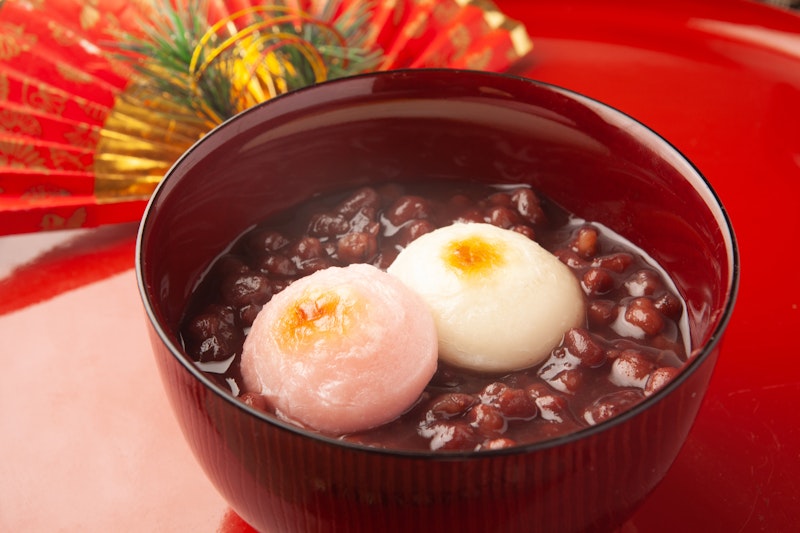
Oshiruko is a sweet Japanese dessert perfect for cold winter. Grilled or boiled mochi is added to warm azuki (red bean) soup. The gentle sweetness of sugar and the chewy texture of mochi harmonize exquisitely, warming your chilled body.
In some regions it's also called "zenzai," and while oshiruko has more liquid, zenzai is characterized by thickly finished azuki paste. It often appears at seasonal events such as New Year and winter tea ceremonies.
Also, recently, oshiruko with modern arrangements such as matcha (green tea) flavor or with chestnuts has become popular. As a traditional Japanese sweet, if you enjoy it during break time on cold days, you'll feel the warmth of winter Japan.
1-5. Yudofu (Boiled tofu)
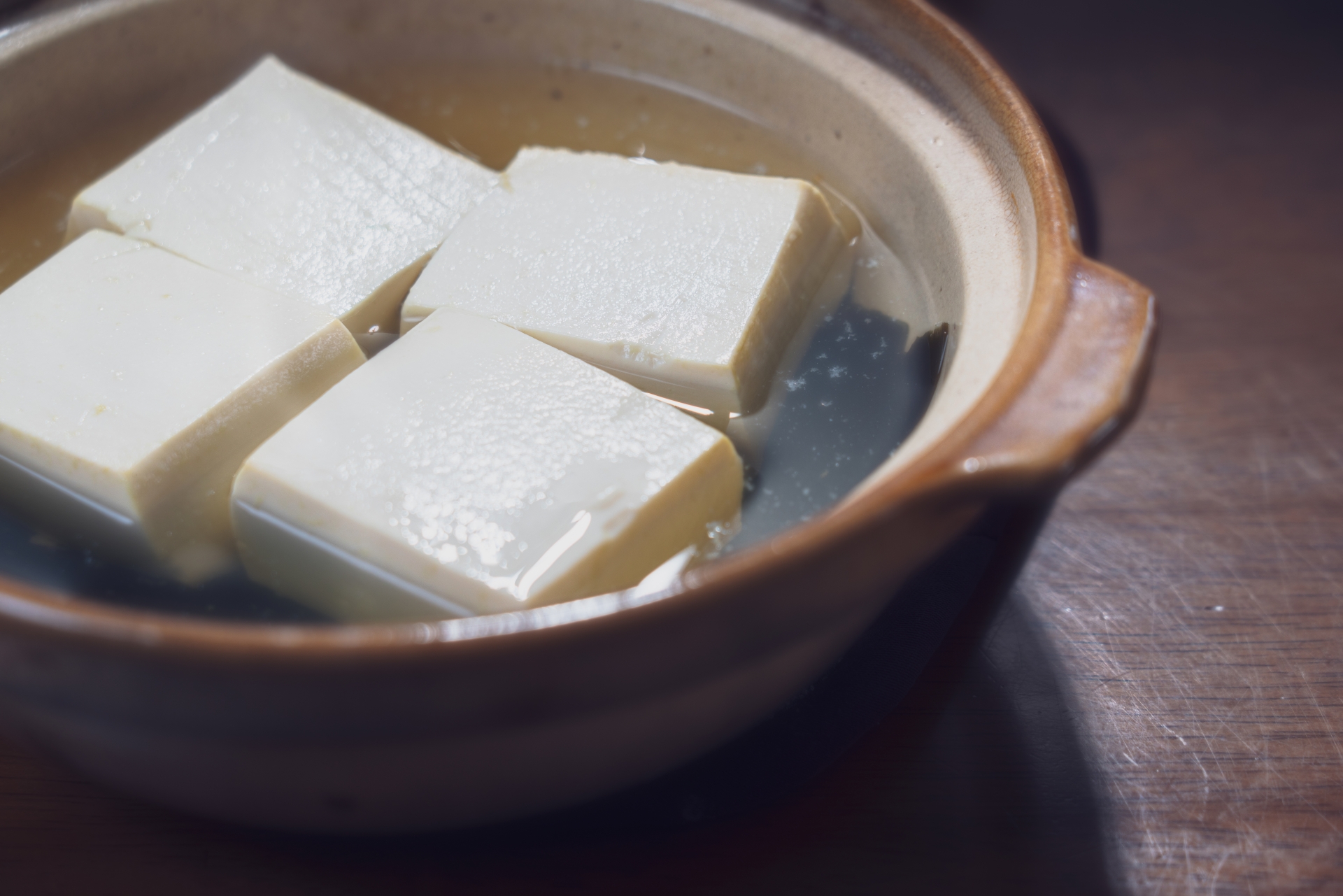
Yudofu is a winter Buddhist cuisine representing Kyoto, an elegant dish that allows you to enjoy the original flavor of tofu. It's a simple dish where tofu warmed in water or kombu broth is enjoyed with ponzu or sesame sauce, but its soft texture and gentle flavor are popular.
In cold winter, steaming yudofu provides visual comfort as well. Tofu contains high-quality protein and is favored by health-conscious travelers. Kyoto has many famous yudofu restaurants, known as gourmet food that can be enjoyed between sightseeing.
Yudofu, which makes use of ingredient flavors, may not be flashy, but it's a dish that symbolizes Japan's "quiet deliciousness". It's recommended as a winter delicacy that warms both heart and body.
1-6. Ramen
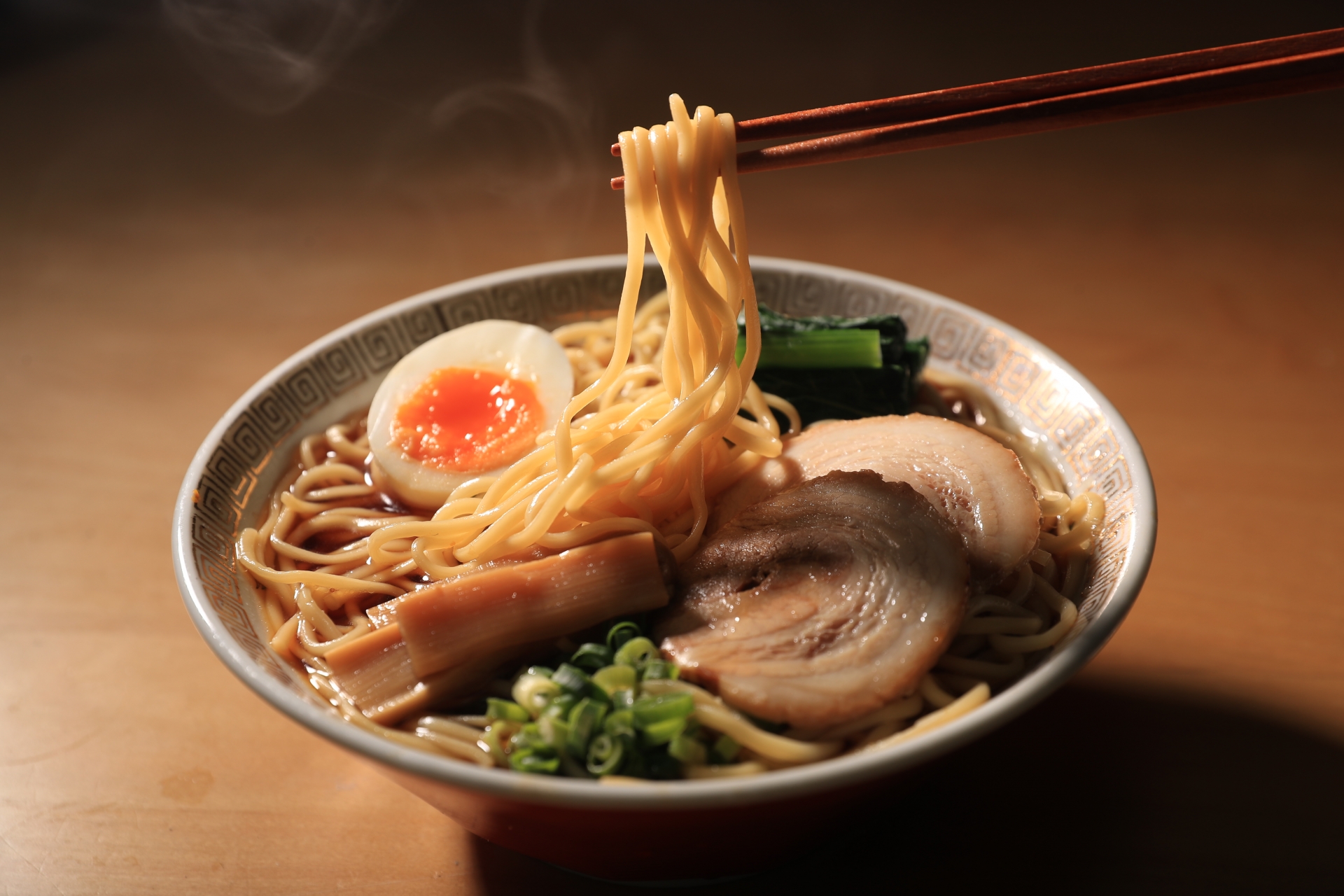
When it comes to popular dishes you can't miss during winter travel in Japan, it's hot ramen. Wheat noodles are combined with soup made from chicken bones, pork bones, or seafood, topped with chashu (braised pork), menma (bamboo shoots), boiled eggs, and green onions. The main flavor types are miso, soy sauce, salt, and tonkotsu (pork bone), and adding garlic or pepper according to preference allows you to enjoy even deeper flavors.
Each region has its own characteristics; Sapporo's miso ramen features rich flavors of butter and corn, while Asahikawa ramen is characterized by rich soup with seafood umami. In Kyushu, cloudy tonkotsu soup is popular, which is rich yet surprisingly clean in aftertaste.
Ramen in cold seasons warms you from the core. Comparing local ramen from each travel destination is also a way to enjoy unique to Japan.
1-7. Senmaizuke
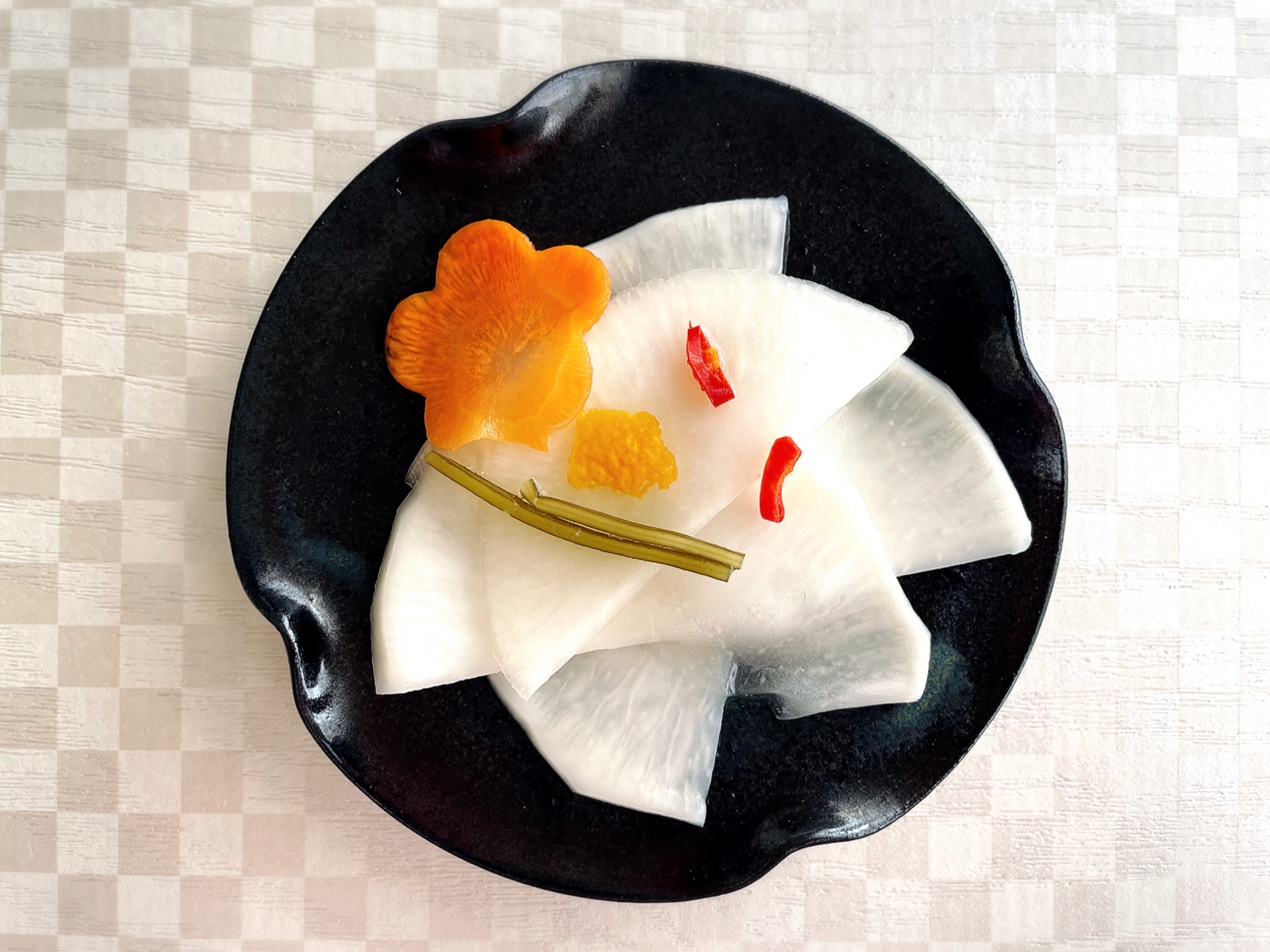
Senmaizuke is a traditional pickle essential for winter in Kyoto. Shogoin turnips are thinly layered and pickled in sweet vinegar with kombu and chili peppers. It's characterized by a moist texture and gentle sweet-and-sour taste, pairing well with white rice and Japanese sake.
In winter Kyoto, senmaizuke lines the storefronts of pickle specialty shops, and tastings are available, making it popular with tourists. It's also appreciated as a tea accompaniment or souvenir.
The delicate and smooth texture unique to Shogoin turnips has an elegance that cannot be experienced with daikon radish. If you want to feel winter in Kyoto, please try authentic senmaizuke.
1-8. Mochi
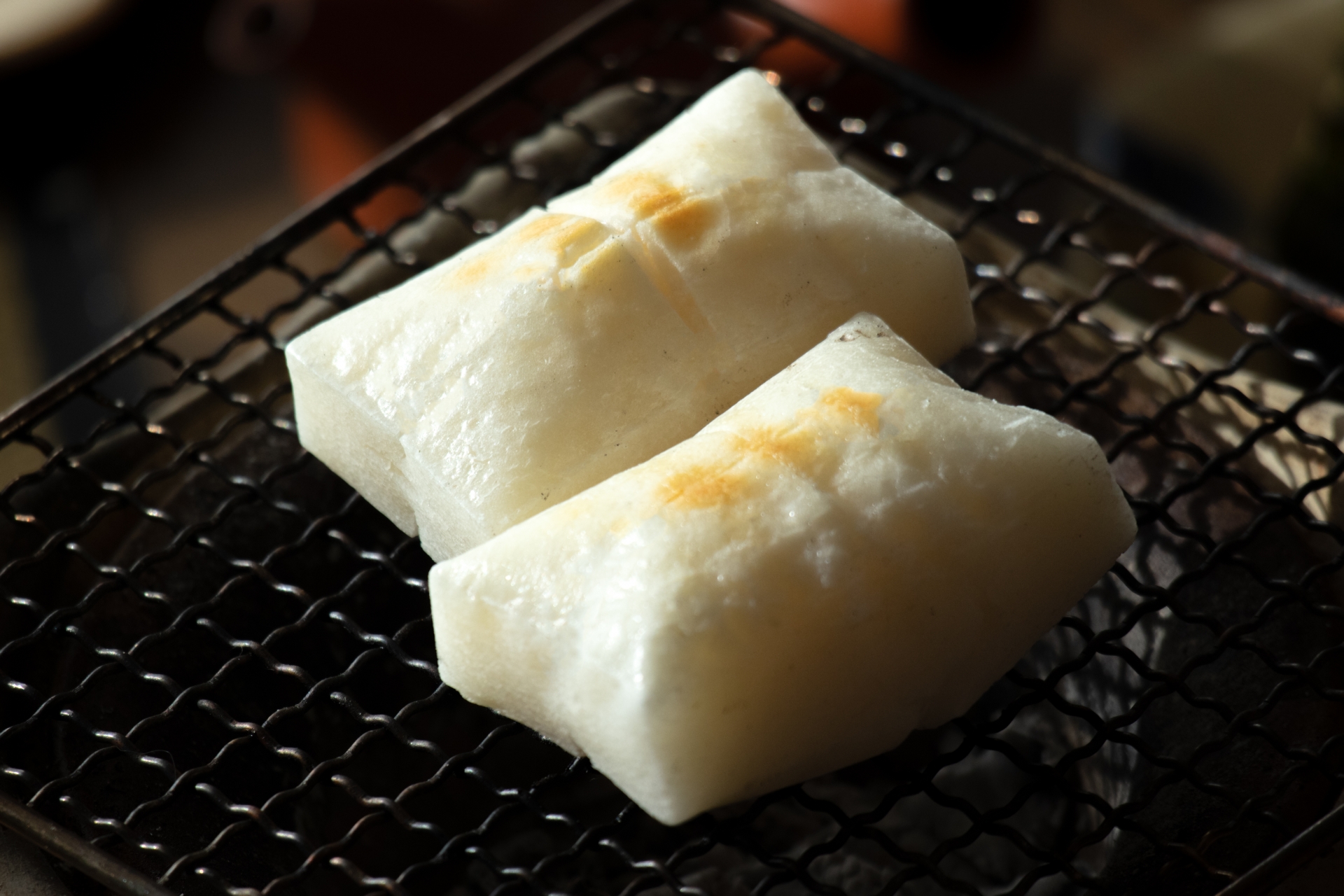
Mochi is a traditional Japanese food made by steaming and pounding glutinous rice, essential for New Year and celebratory occasions. It's characterized by a sticky texture and gentle sweetness, and can be enjoyed in various ways such as with kinako (roasted soybean flour) or anko (sweet red bean paste), or as isobe-yaki (grilled with nori seaweed and soy sauce).
In winter, it warms the body when added to warm dishes like oshiruko and zoni (New Year's soup). Since ancient times, mochi has been believed to house gods and has been passed down as a symbol for wishing health and good harvests. Various regions throughout Japan have their own mochi culture, and "mochi-tsuki" (rice cake pounding) performed at home is a year-end tradition. Mochi, which combines tradition and flavor, can be said to be one of the foods symbolizing winter Japan.
1-9. Hot udon
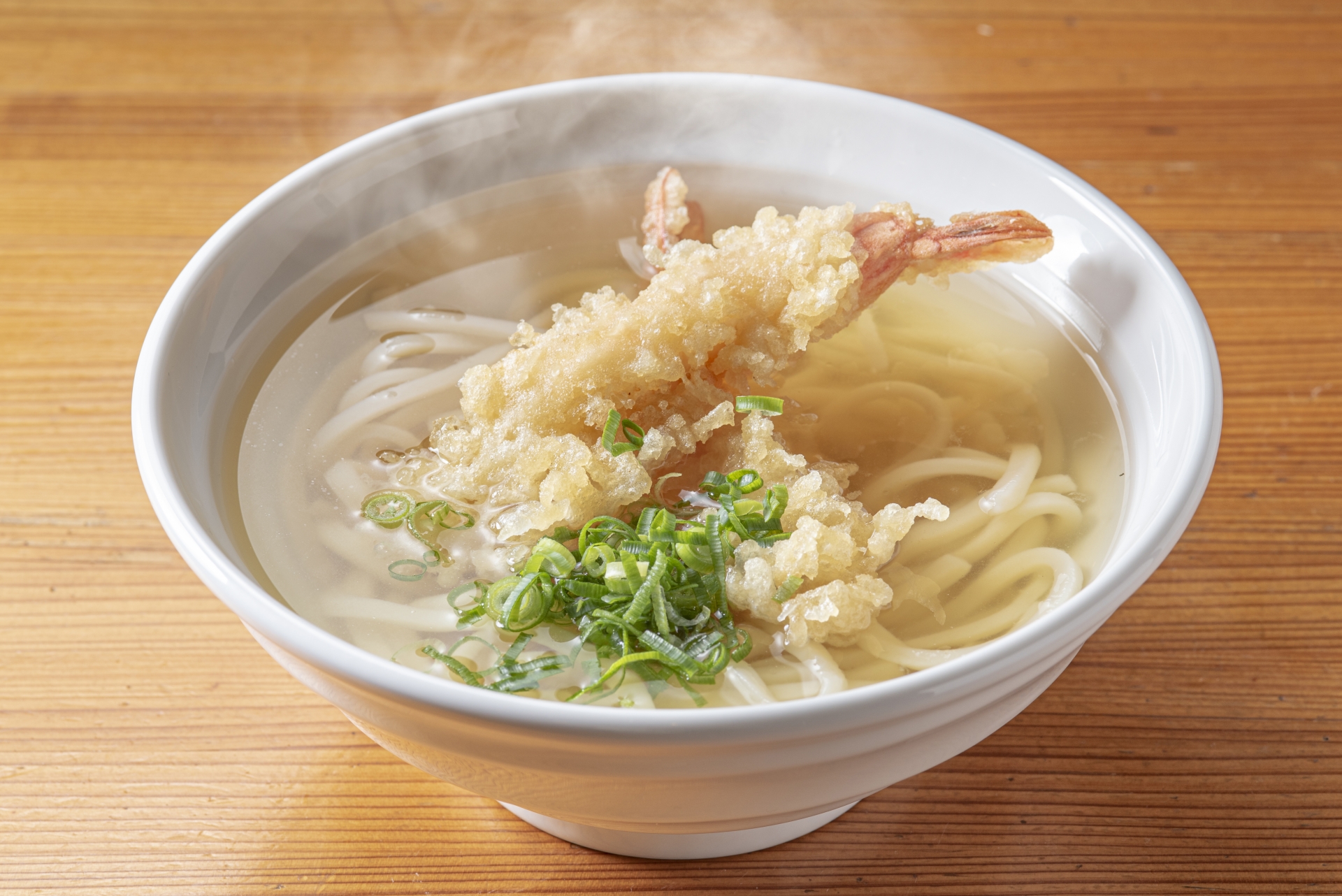
Hot udon is a representative Japanese noodle dish that becomes appealing in winter. Thick, soft noodles are put in broth made from kombu or katsuobushi, with green onions added for simple "kake udon" as the basic form. There are also abundant variations such as "kitsune udon" topped with fried tofu, "tempura udon" with tempura, and "tsukimi udon" with a dropped egg.
In Kansai, the broth has a light color and elegant flavor, while in Kanto, it's characterized by thick broth with strong soy sauce flavor. "Nabeyaki udon" popular on cold nights is a piping hot dish simmered in an earthenware pot that warms you to the heart. Hot udon with its gentle flavor is the taste of Japanese home cooking that heals travel fatigue, and is an affordable and familiar winter staple dish.
1-10. Hot soba
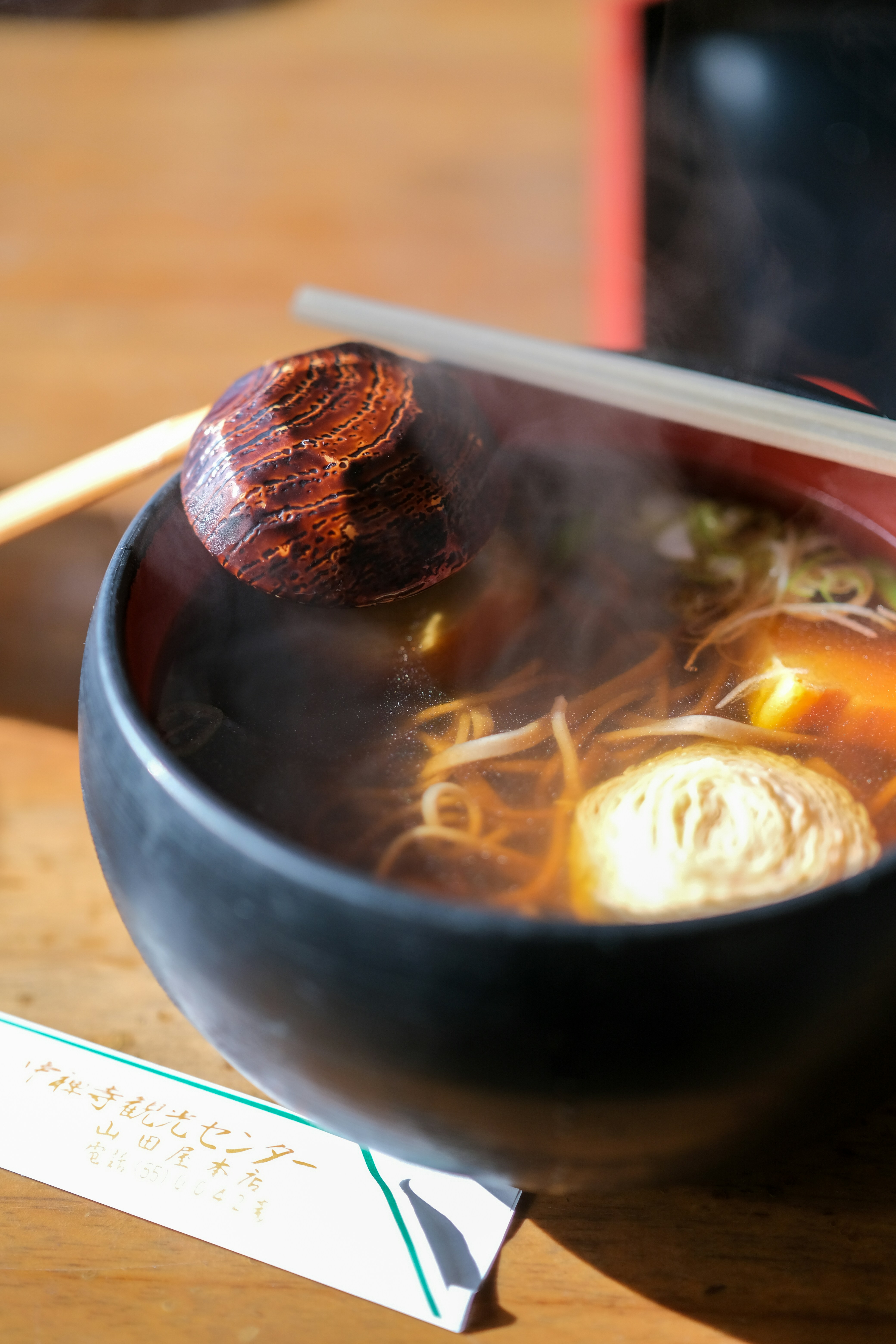
Hot soba is a traditional Japanese noodle dish that allows you to enjoy the harmony of fragrant buckwheat flour flavor and broth-rich soup. The thin noodles are light and easy to eat, and being gentle on the stomach is also appealing. In addition to the standard "kake soba," flavors change depending on ingredients such as "tempura soba" topped with tempura, "kitsune soba" with fried tofu, and "tsukimi soba" topped with an egg.
Especially at year-end, there's a custom of eating "toshikoshi soba" (year-crossing noodles), which has been cherished since ancient times as a tradition wishing for longevity and warding off evil. Hot soba is a winter staple in Japan that can be easily enjoyed during travel, and you can enjoy different aromas and textures from standing soba shops to long-established hand-made establishments depending on the location.
1-11. Zosui
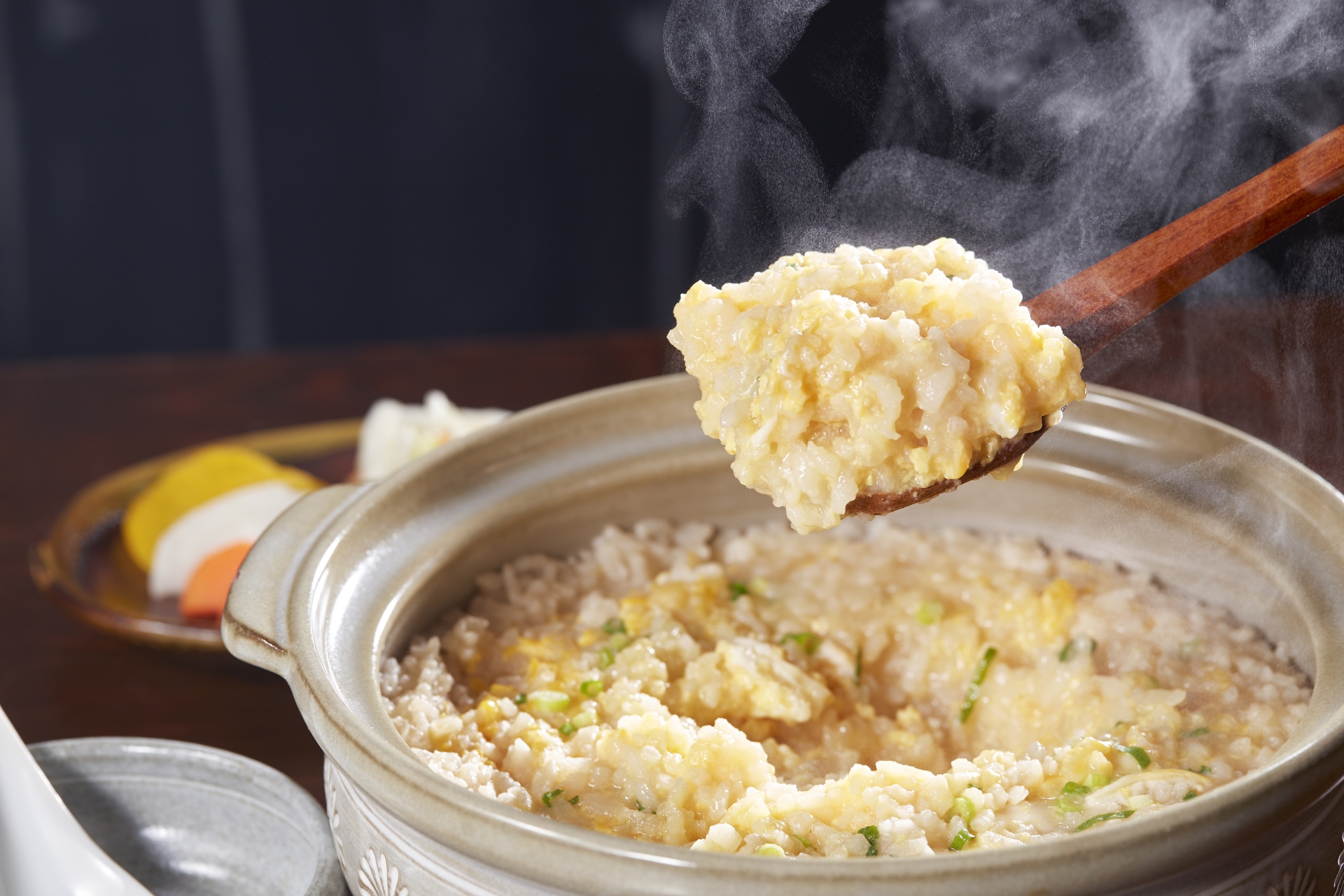
Zosui is a warm rice dish perfect for winter nights, beloved in Japan as a finishing dish for hot pot meals. Rice is added to soup where broth umami has dissolved and brought to a boil, finished by dropping in eggs or sprinkling green onions and nori seaweed. To make use of the broth flavor, the secret to deliciousness is not to overcook and to leave the rice grains in good shape.
Seasoning is generally soy sauce or miso, but you can enjoy variations depending on ingredients like chicken, seafood, mushrooms, and vegetables. It's easy to eat even when feeling unwell and has been treasured since ancient times as a stomach-friendly dish. It's said to have been eaten since the Heian period and continues today in forms like "nanakusa-gayu" (seven-herb rice porridge) and "miso-gayu" (miso rice porridge).
Zosui, which warms the body from inside during cold seasons, is a winter taste of Japan where you can feel the warmth of home.
1-12. Pork miso soup
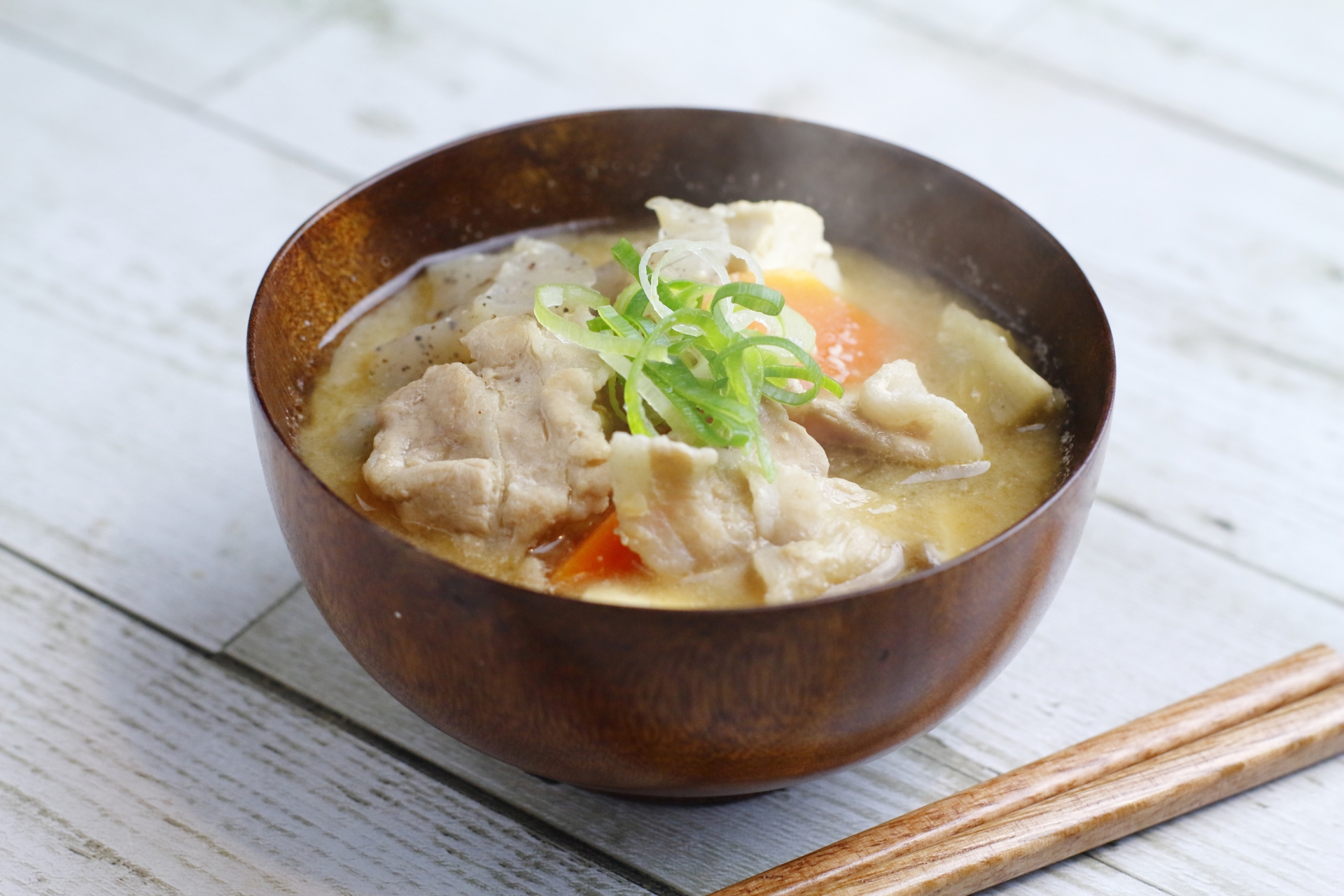
Pork miso soup is a winter staple dish loved nationwide as an ingredient-rich miso soup. Pork umami is combined with daikon radish, carrots, taro, konjac, green onions, etc., simmered in broth and finished with miso. The fragrant miso, vegetable sweetness, and pork richness unite to warm you from the core on cold days.
The miso and ingredients used vary by region; Kagoshima Prefecture uses sweet barley miso, while Kanto commonly uses rich red miso preparation. It pairs well with rice and is sometimes served in large pots at events and festivals. Pork miso soup, with good nutritional balance and high satisfaction, is a symbolic existence of Japanese home cooking. If you encounter it at a set meal restaurant during travel, it's definitely a local bowl you should try.
1-13. Osechi ryori (New Year's dishes)
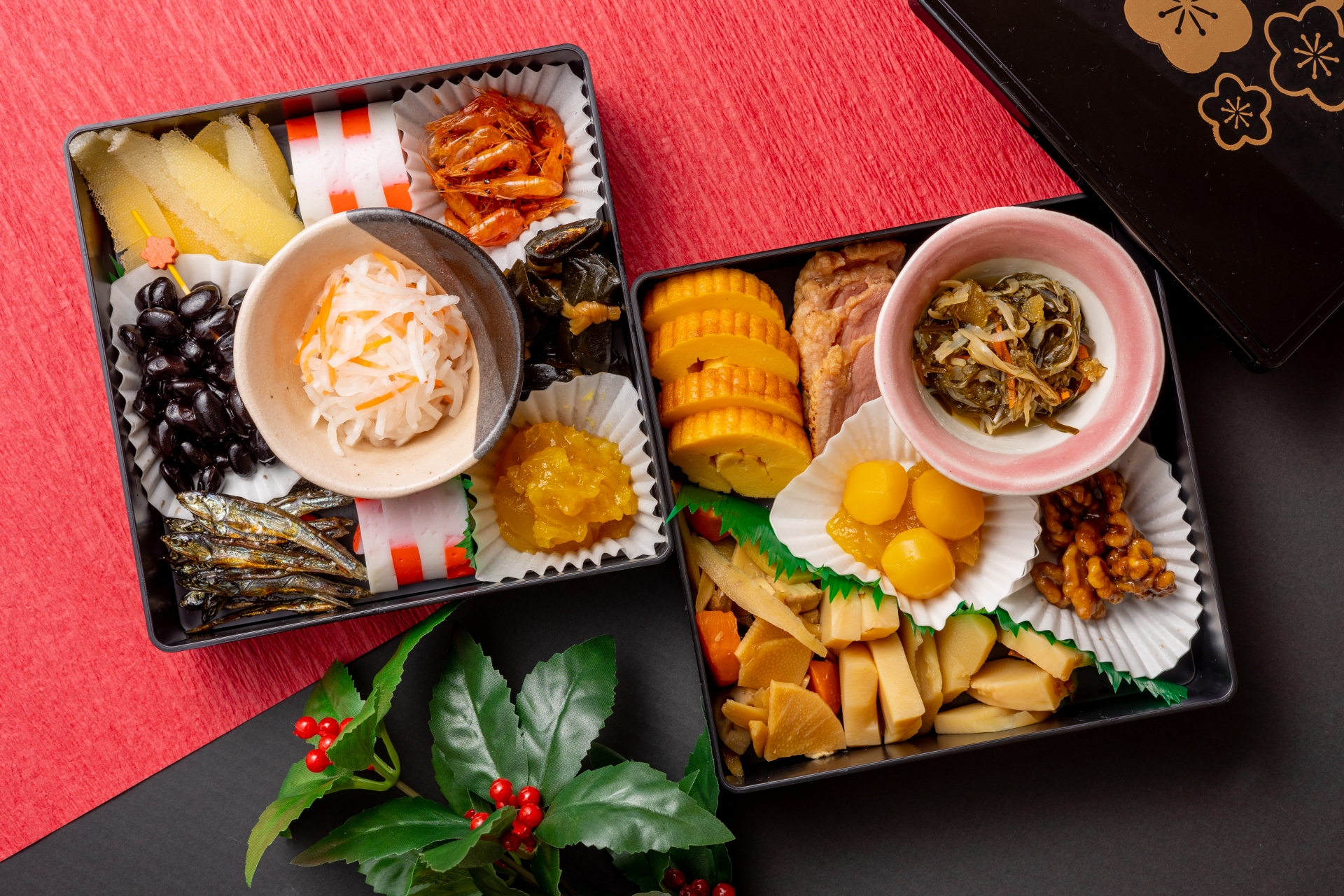
Osechi ryori is traditional celebratory cuisine for celebrating the New Year in Japan. The custom of arranging auspicious dishes in tiered boxes began in the Heian period and spread nationwide through the Edo period. Each ingredient has meaning: black beans represent "working diligently," herring roe represents "prosperity of descendants," and kelp rolls represent "joy."
The tiered boxes are lacquered, packed in layers so that fortune accumulates. Items and seasonings differ by region; Kanto is characterized by sweet and savory flavors, while Kansai finishes elegantly with light seasoning. Recently, special osechi from hotels and restaurants are also popular, allowing you to enjoy traditional flavors even while traveling.
Osechi ryori is a cultural meal symbolizing Japanese New Year that combines visual splendor with deep meaning.
1-14. Crab
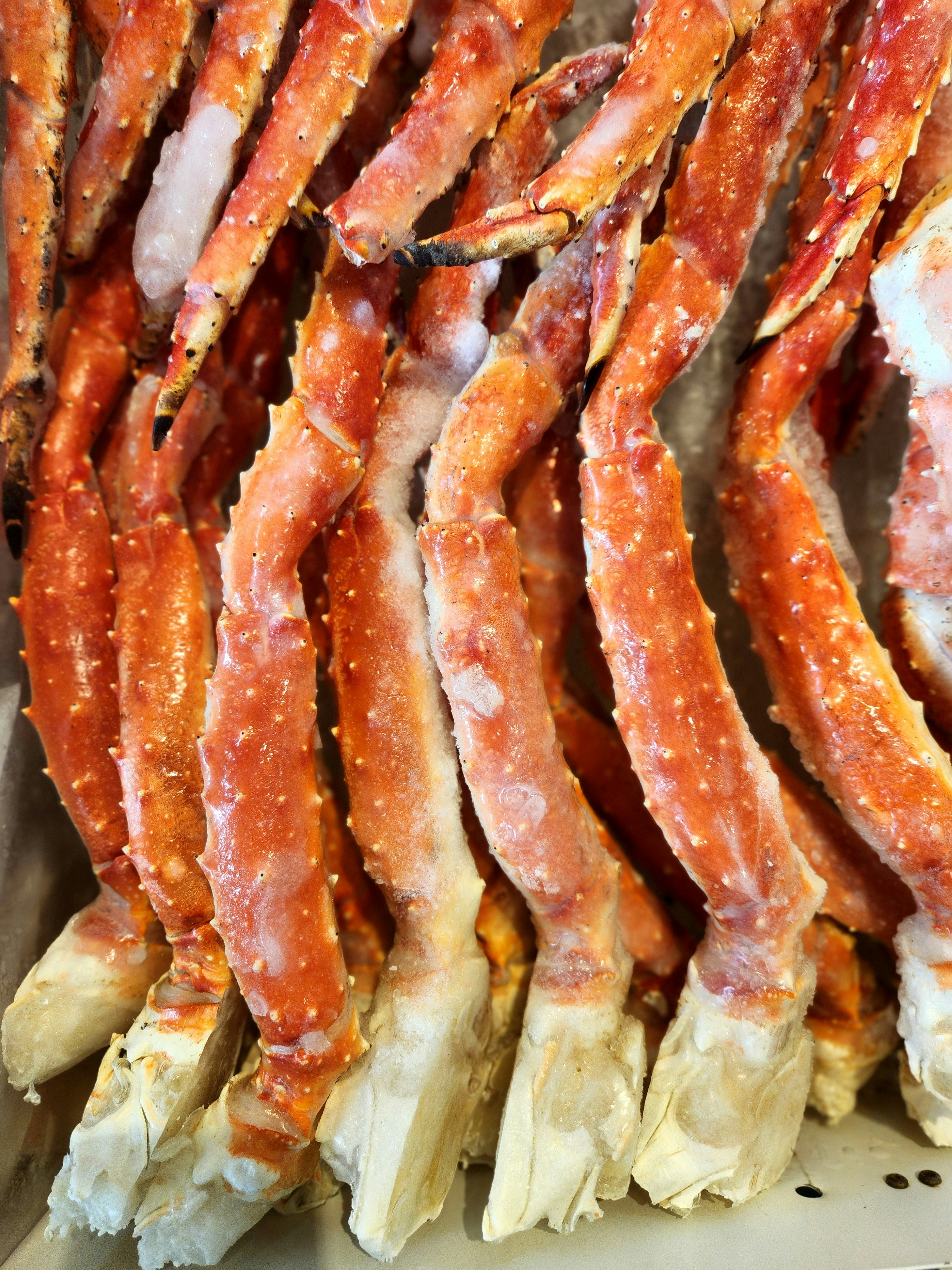
In winter Japan, crab reaches its peak season. Sweet and juicy snow crab, thick-fleshed king crab, and horsehair crab with rich miso each have regional characteristics. Hokkaido, Hokuriku, and the San'in region are representative production areas, with Fukui's Echizen crab and Tottori's Matsuba crab receiving particularly high praise.
Crab is excellent whether boiled or grilled, but since it produces rich broth, it's also perfect for hot pot dishes. Using it in crab shabu-shabu, zosui, or miso soup allows you to savor the umami to the last drop. In port towns, there are many shops where you can taste live crab right after landing, and during peak season, they're popular enough to create long lines.
Crab is a luxurious winter feast and a symbol of Japan's seafood bounty. If you taste it during travel, you'll be able to feel the season of that land with all five senses.
1-15. Yellowtail
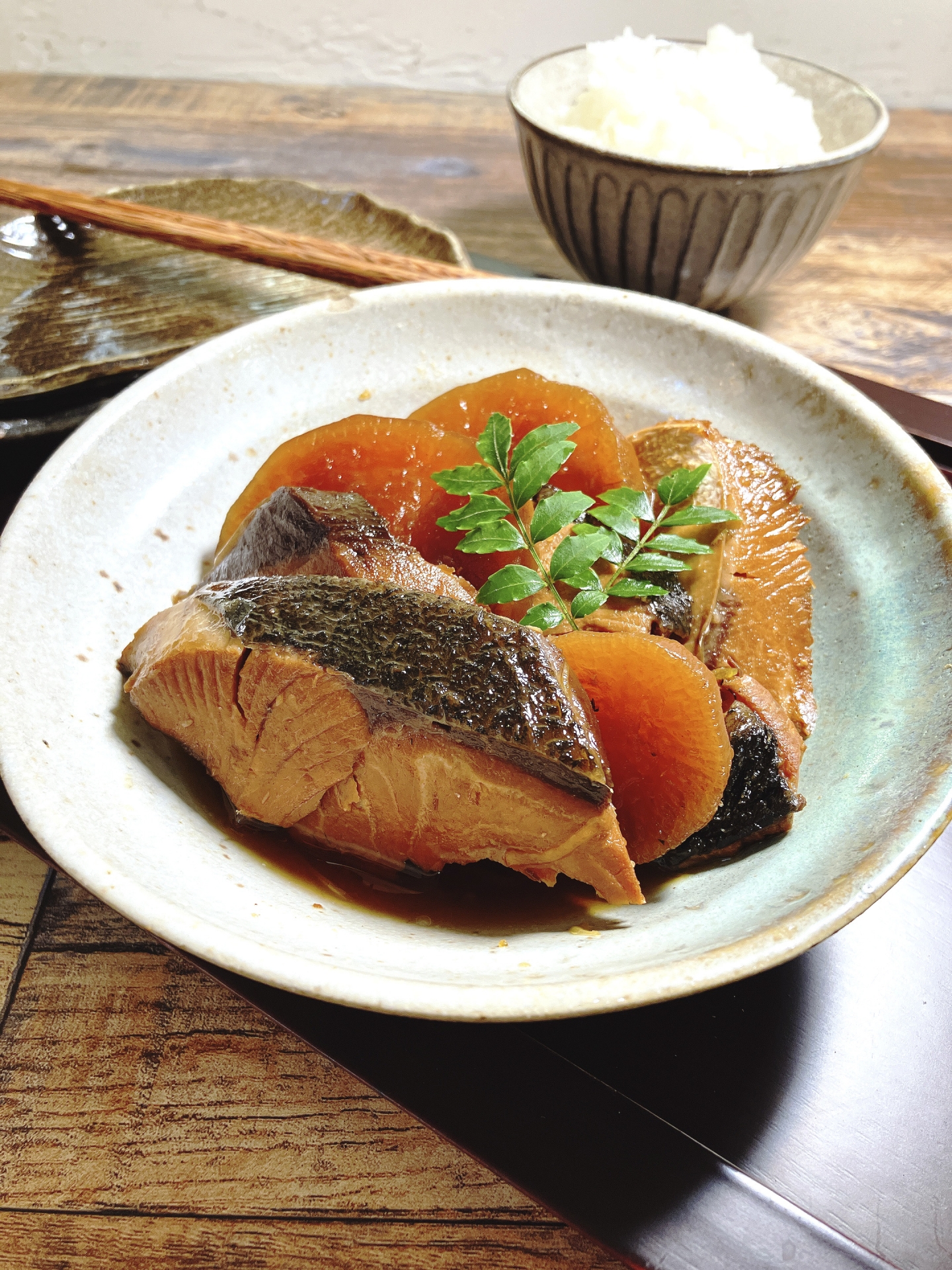
Yellowtail is a fish that becomes fattier as winter cold intensifies, and the flavor during the period called "winter yellowtail" is exceptional. Since its name changes at different growth stages, it's considered auspicious as a "success fish," and is essential on year-end dining tables in Hokuriku and western Japan.
As sashimi or sushi, you can enjoy moist umami, while salt-grilled or teriyaki highlights the fragrant sweetness of the fat. Yellowtail with daikon is a classic winter simmered dish where the fish's umami and daikon's sweetness harmonize through slow cooking. Winter yellowtail is a dish where you can taste both the power of winter seas and the delicacy of Japanese cuisine at once.
1-16. Oysters
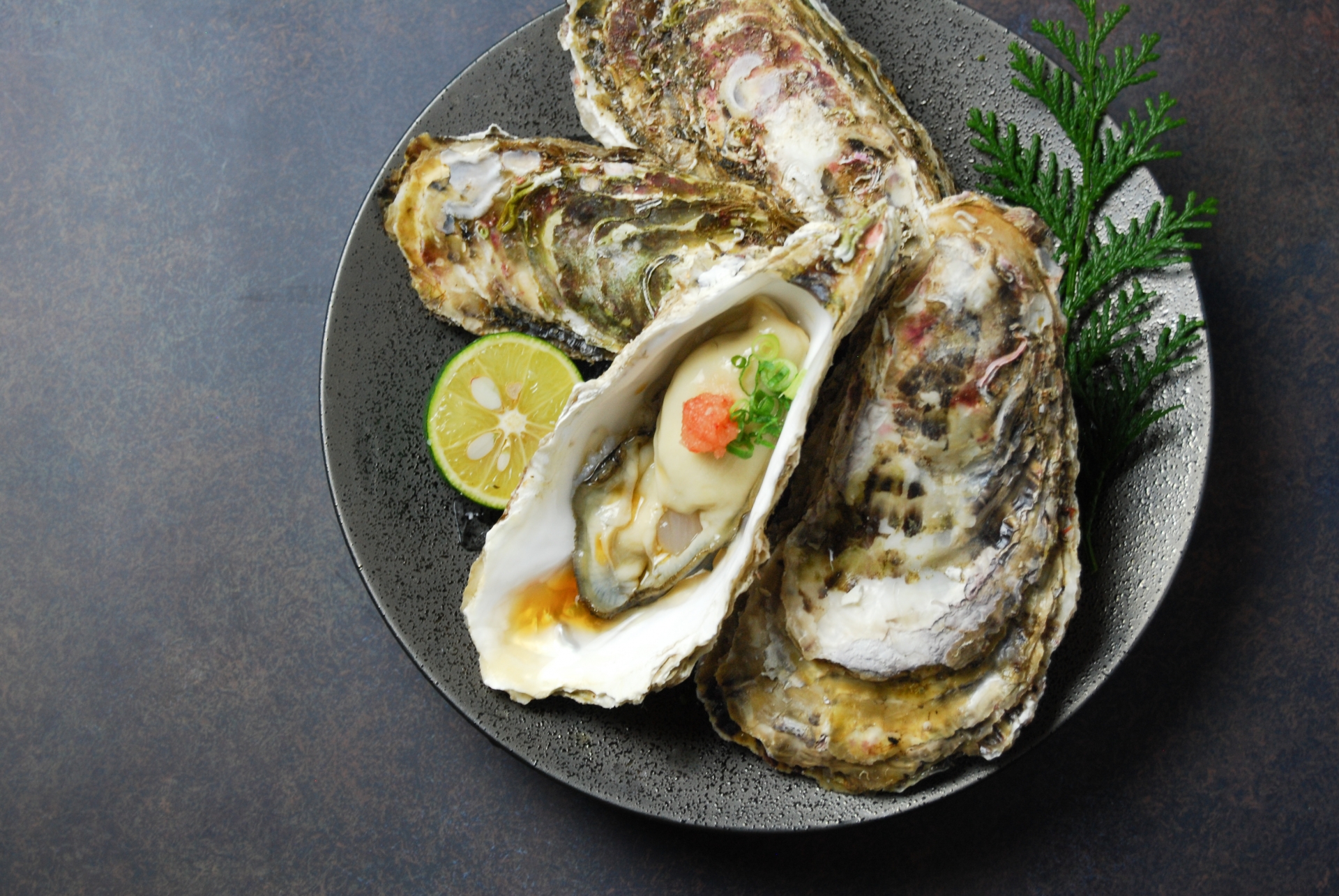
Oysters are winter delicacies with such high nutritional value they're called "milk of the sea," reaching peak season from November to early spring. Rich in zinc, iron, calcium, and omega-3 fatty acids, they're enjoyed in various cooking methods such as hot pot dishes, frying, and gratin. Particularly Hiroshima Prefecture, Sanriku, and Hokkaido's Akkeshi Bay are famous production areas, attracting many people from across the country seeking fresh oysters.
At markets, they're divided into "raw consumption" and "heating required," and it's important to always check labels when purchasing. Raw consumption types are raised in clean sea areas that have passed water quality inspections, and when eaten with ponzu or lemon, the ocean aroma spreads. Heating types have rich flavor, with umami standing out in hot pots and miso-grilled oysters.
Rich and creamy oysters are jewels of the sea that winter Japan is proud of. If you taste them during peak season, they'll become a memorable dish.
1-17. Yuzu
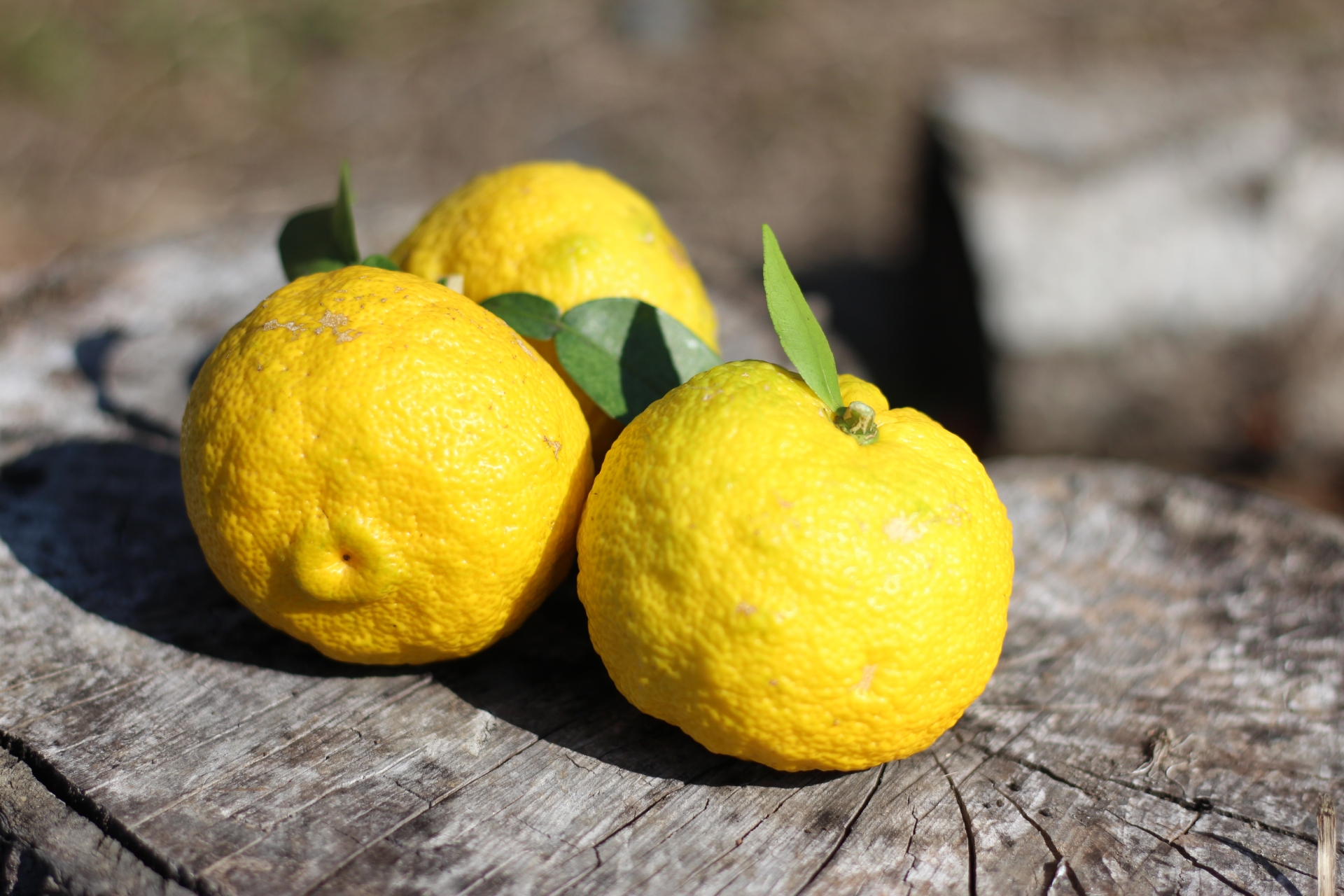
Yuzu is a fragrant citrus representing winter Japan, said to have been brought from China during the Nara period. It's cold-resistant and has such strong vitality that it can be cultivated even in the Tohoku region. Unripe green yuzu is used for spicy "yuzu pepper paste," while ripe yellow yuzu is used for flavoring ponzu, hot pots, and clear soups.
As a supporting actor in cooking, it has the power to enhance flavors with just a few drops. Also, on the winter solstice in December, there's a custom of taking "yuzu baths," cherished as a tradition wishing for year-round health. Yuzu, with its refreshing aroma and acidity, is a symbol of flavor essential to winter Japan.
1-18. Mandarin oranges
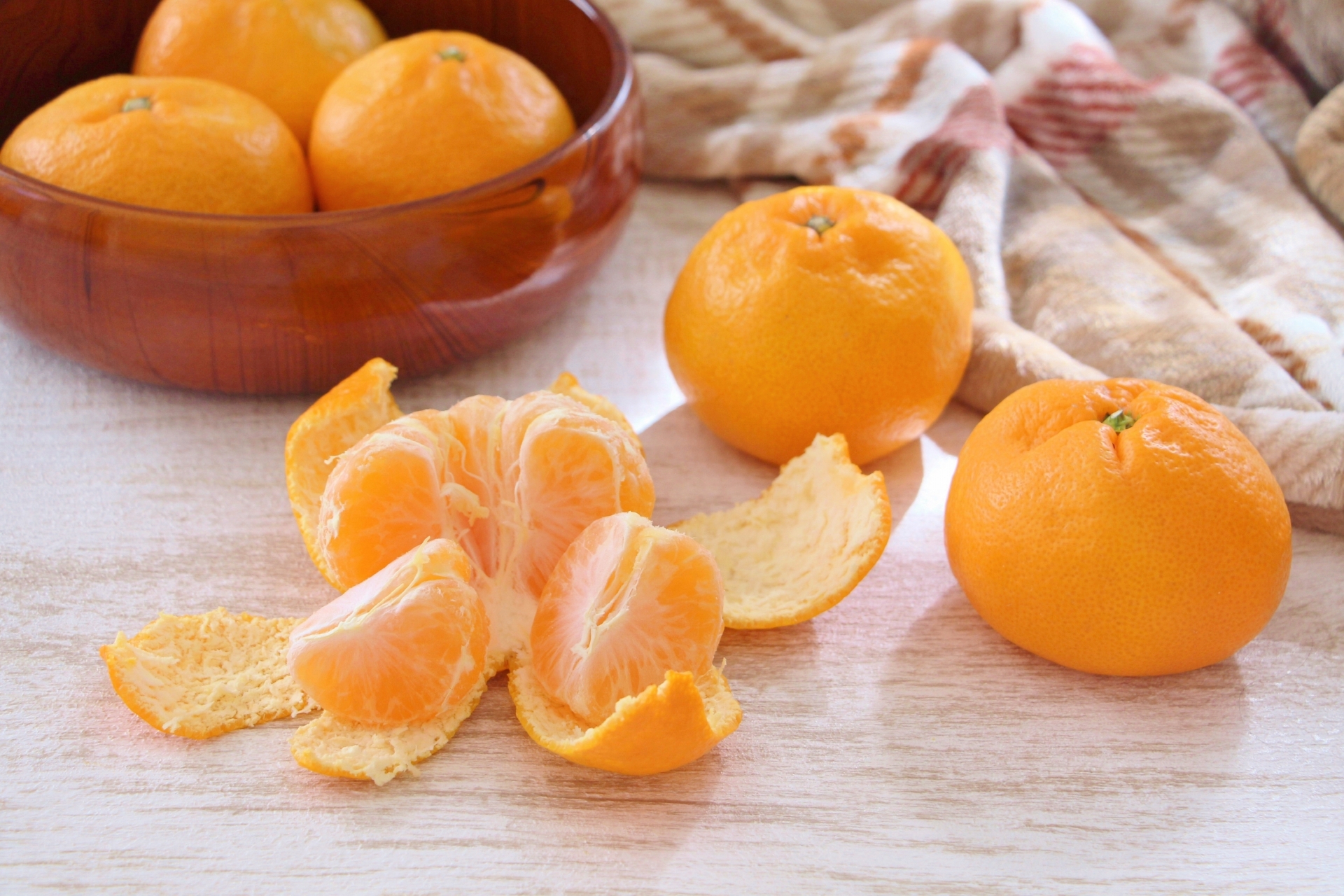
Mandarin oranges are representative fruits essential to Japanese dining tables in winter. Among them, "Unshu mandarin oranges" have thin skins that can be easily peeled by hand, with an exquisite balance of sweetness and acidity. Their origin is said to be Kagoshima Prefecture's Nagashima, spreading nationwide during the Edo period. Currently, Wakayama, Ehime, and Shizuoka are major production areas, with variety improvements progressing in each region.
Brand mandarin oranges known as "Arida mandarin oranges," "Mikkabi mandarin oranges," and "Aoshima Unshu" are rich in juice with high sugar content, offering natural sweetness perfect for cold winter. The scene of eating mandarin oranges around a kotatsu can be said to be a symbol of winter Japan. Please try a fresh bunch at travel destination markets or roadside stations.
1-19. Persimmons
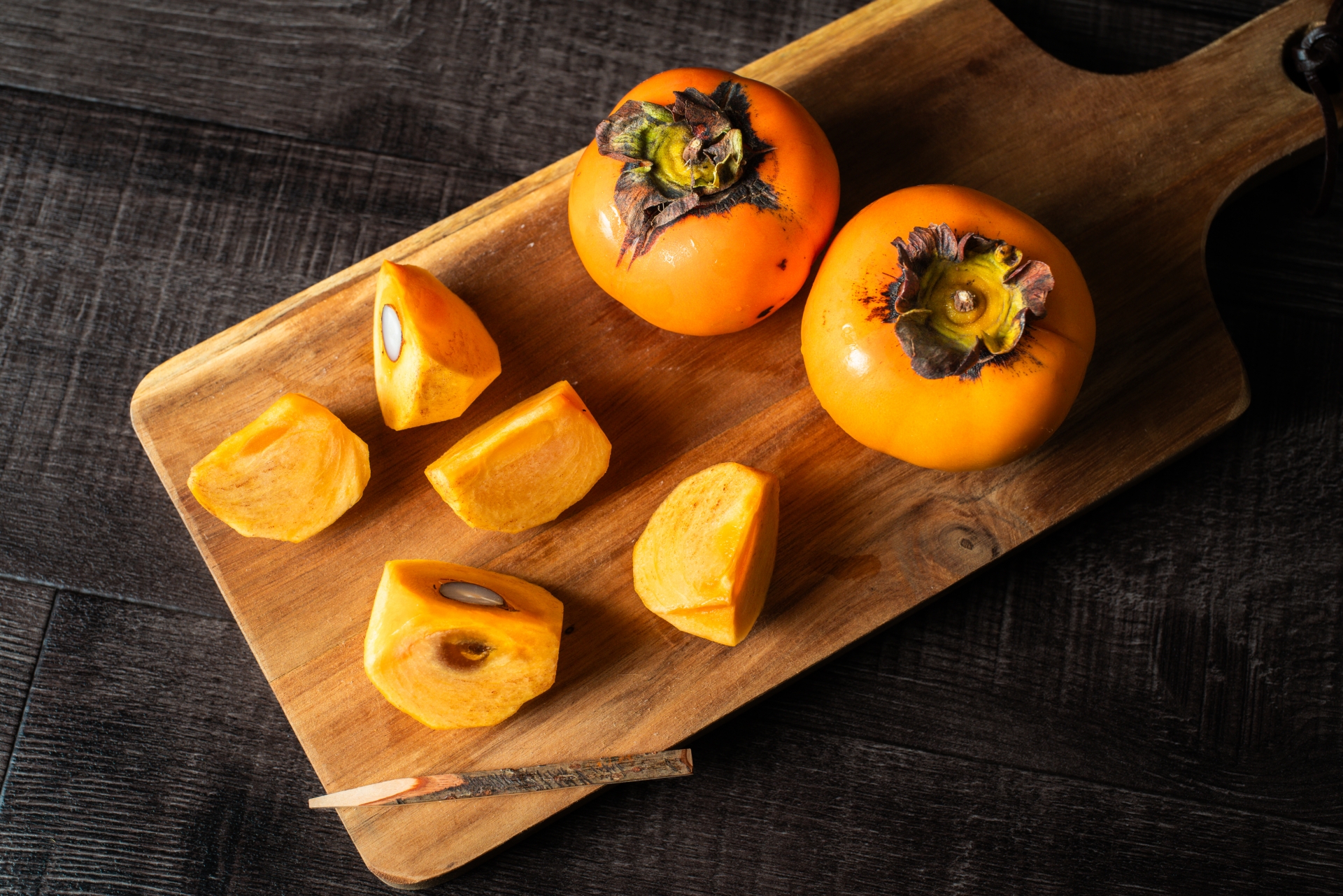
Persimmons are fruits that reach peak season from autumn to winter, so nutritious that it's said "when persimmons turn red, doctors turn blue." They're divided into "sweet persimmons" with soft flesh and sweetness, and "astringent persimmons" that have astringency removed and are dried for eating. Dried persimmons are characterized by concentrated natural sweetness and sticky texture, cherished since ancient times as winter preserved food.
They're cultivated throughout Japan in places like Chiba, Nara, and Wakayama, with different flavors by region. Persimmons with their vivid orange color are fruits that color winter Japan. Their gentle flavor making use of natural sweetness will add warmth to moments of travel.
Summary
Winter Japan is a season where you can find warmth within the cold. Steaming hot pot and oden, gentle-flavored yudofu and pork miso soup, heart-warming ramen and udon - every dish contains "warmth shared with people." In port towns, seasonal bounties of the sea await: crab, winter yellowtail, oysters, and fugu. If you taste them at travel destination markets or restaurants, you'll be able to feel the culture of that land through food.
Furthermore, food attractions live on in seasonal events and customs such as mandarin oranges, persimmons, senmaizuke, mochi, and osechi cuisine. Winter Japan is a gourmet season where you can feel the individuality of each land and human warmth with every dish. Please search for dishes that warm both heart and body as travel memories.
※This article was created based on information as of November 2025