2026 Winter Olympics Recap: Results and Medal Table by Country


The 2026 Winter Olympics will be held across multiple cities centered around Milano and Cortina d'Ampezzo in Italy, with ice sports and snow sports taking place in different regions. The urban energy and the magnificent scenery of the Dolomites will intersect, offering diverse spectating experiences. The distributed venue structure and the debut of the new sport ski mountaineering are also key highlights.
This article organizes the event overview, host locations, emblem and mascots, and introduces medal-winning countries for each sport and medal counts by nation.
Table of Contents
1. Overview of the 2026 Winter Olympics
1-1. Event Overview
1-2. Host Location Characteristics
1-3. Emblem and Mascots
1-4. What is the New Sport "Ski Mountaineering" at the 2026 Winter Olympics
2. Participating Teams, Notable Athletes, and Competition Results of the 2026 Winter Olympics
2-1. Figure Skating
2-2. Speed Skating
2-3. Short Track
2-4. Curling
2-5. Ice Hockey
2-6. Alpine Skiing
2-7. Ski Jumping
2-8. Snowboard
2-9. Luge
2-10. Biathlon
2-11. Bobsled
2-12. Skeleton
2-13. Ski Mountaineering
3. Medal Rankings by Country at the 2026 Winter Olympics (1st to 14th Place)
3-1. 1st Place Norway
3-2. 2nd Place United States
3-3. 3rd Place Netherlands
3-4. 4th to 15th Place
3-5. 16th to 29th Place
4. Popular Sports and Rankings at the 2026 Winter Olympics
4-1. Figure Skating
4-2. Ice Hockey
Summary
1. Overview of the 2026 Winter Olympics
今日、6月23日は #オリンピックデー ✨
— オリンピック (@gorin) June 23, 2025
みなさんのオリンピックにまつわる思い出をコメント欄で教えてください😉#OlympicDay #オリンピック pic.twitter.com/VLUrJktWfW
The 2026 Winter Olympics (25th Olympic Winter Games) were held in Italy as "Milano Cortina 2026". Here we summarize the key points of the event overview, schedule, host locations, emblem and mascots, and the new sport ski mountaineering.
1-1. Event Overview
The official name is "Milano Cortina 2026 Winter Olympics (25th Olympic Winter Games)". The host country was Italy, held from February 6-22, 2026, featuring 8 sports and 116 events. The venues were divided into 4 clusters, with ice sports and snow sports implemented by region. The Paralympic Winter Games were held from March 6-15, 2026.
Item | Details |
|---|---|
Host Cities | Milano/Cortina d'Ampezzo |
Main Venues | Milano, Cortina, Valtellina, Val di Fiemme |
Ceremonies | Opening Ceremony: Milano (San Siro)/Closing Ceremony: Verona |
1-2. Host Location Characteristics
2026冬季オリンピックの開催地が、イタリアのミラノ-コルティナに決まりました。#MilanCortina2026 #WinterOlympics @milanocortina26 pic.twitter.com/GZoh60ktSP
— オリンピック (@gorin) June 24, 2019
Milano, the host city of the 2026 Winter Olympics, is a major city representing northern Italy, known as a center for fashion, finance, and business. For Milano Cortina 2026, it hosted the opening ceremony and served as the main venue for ice sports including ice hockey, speed skating, short track, and figure skating. A key feature was creating urban spectating experiences while utilizing existing facilities.
Meanwhile, Cortina d'Ampezzo is a mountain resort at the foot of the Dolomites, world-famous as a major winter sports tourism destination for skiing and other winter activities. As a host location since the 1956 Games, it was positioned as the stage for snow sports such as alpine skiing. This was Italy's third Winter Olympics following 1956 and 2006, with a major characteristic being the "distributed hosting" across multiple cities centered on both host cities.
1-3. Emblem and Mascots
1️⃣ 0️⃣ 0️⃣ days to Milano Cortina ⏳
— Paralympic Games (@Paralympics) November 26, 2025
The wait is almost over; the Milano Cortina 2026 Paralympic Winter Games is just 100 days away!
Feel the adrenaline, witness history, and cheer for athletes who redefine what’s possible. Are you ready?#Paralympics pic.twitter.com/L79M3uqtTc
The emblem of Milano Cortina 2026 is "Futura", featuring a design with "26" on a white background. Selected through online voting from two final candidates, it's characterized by being completely digital with expressions that change according to usage. White evokes snow and ice, and is also positioned as a color representing new beginnings. Red, blue, and green symbolize the Paralympic Agitos and aurora colors.
The official mascots are the friendly stoat siblings "Tina" and "Milo", with Tina representing the Olympics and Milo representing the Paralympics. As siblings with different fur colors, they represent the flexibility and curiosity adapted to mountain environments. Tina is creative and steady, while Milo is mischievous and skilled at snow play, with a setting of having one missing leg and walking with his tail. Their names derive from the host cities, with Milo named after Milano and Tina after Cortina.
1-4. What is the New Sport "Ski Mountaineering" at the 2026 Winter Olympics
ミラノ・コルティナ2026冬季オリンピック
— TEAM JAPAN (@TeamJapan) December 31, 2025
━━━━━━━━━━━━━
❄競技紹介❄
スキーマウンテニアリング
(スキーモ)🏔️
━━━━━━━━━━━━━
上り坂や下り坂を滑ることに加えて、登山技術を駆使して雪山を駆け抜ける競技🎿… pic.twitter.com/kZAp2mj5NS
SKIMO (Ski Mountaineering) is a snow mountain sport called "ski mountaineering" that competes for speed while repeating climbing and descending. At Milano Cortina 2026, it was adopted for the first time in Winter Olympics, with men's and women's sprint and mixed relay events.
The speed of switching between attaching climbing skins to lightweight skis for climbing and removing the skins for rapid descent is also a highlight. The sport combines the breathing intensity of uphill climbing with the exhilaration of descending, and requires not only running ability but also judgment as athletes navigate natural terrain. Races are compact with fast-paced developments, making the tactical battles easy to follow for spectators. With a background of being enjoyed as fitness activity in Europe, it's spreading as a new winter "mountain play."
2. Participating Teams, Notable Athletes, and Competition Results of the 2026 Winter Olympics
The 2026 Winter Olympics featured diverse sports including figure skating, speed skating, curling, ice hockey, alpine skiing, and ski jumping. Here we introduce participating teams, notable athletes, and competition results for each major sport.
2-1. Figure Skating
素晴らしい演技で観客を魅了した選手たち✨
— オリンピック (@gorin) February 20, 2026
フィギュアスケート女子シングルの表彰台でのセルフィー🤳#WinterOlympics #VictorySelfie #Olympics #OpenAlwaysWins #samsung pic.twitter.com/3zfnsMHJrC
Event | Gold | Silver | Bronze |
|---|---|---|---|
Men's | Kazakhstan | Japan | Japan |
Women's | United States | Japan | Japan |
Team | United States | Japan | Italy |
Pairs | Japan | Georgia | Germany |
The team event became a close battle with a 1-point difference until the final event, intensifying national support. In pairs, Japan's comeback from mid-rankings and record-breaking scores became symbolic of the Games, while multiple countries reaching the podium in men's and women's events visualized the changing power dynamics. Technical advancement and diversification of expression progressed, increasing intensity including debates over scoring and performance interpretation. Particularly, gold medalist Alysa Liu's distinctive hairstyle and passionate performances went viral on social media, spreading topics beyond the competition.
2-2. Speed Skating
Breaking into the medal table… in style!
— Milano Cortina 2026 (@milanocortina26) February 9, 2026
🇳🇱 The Netherlands’ first two medals at Milano Cortina 2026 come together in the Women’s 1000m Speed Skating:
🥇 Jutta Leerdam (Olympic record)
🥈 Femke Kok
What a race!
What a duo!#MilanoCortina2026 #Olympics #SpeedSkating pic.twitter.com/ut3v2j7rxK
Event | Gold | Silver | Bronze |
|---|---|---|---|
Women's 500m | Netherlands | Netherlands | Japan |
Women's 1000m | Netherlands | Netherlands | Japan |
Women's 1500m | Netherlands | Norway | Canada |
Women's 3000m | Italy | Norway | Canada |
Women's 5000m | Italy | Netherlands | Norway |
Women's Mass Start | Netherlands | Canada | United States |
Women's Team Pursuit | Canada | Netherlands | Japan |
Men's 500m | United States | Netherlands | Canada |
Men's 1000m | United States | Netherlands | China |
Men's 1500m | China | United States | Netherlands |
Men's 5000m | Norway | Czech Republic | Italy |
Men's 10000m | Czech Republic | Poland | Netherlands |
Men's Mass Start | Netherlands | Denmark | Italy |
Men's Team Pursuit | Italy | United States | China |
Speed skating's sprint events continued with battles decided by 0.01 seconds, with skating line positioning and acceleration precision becoming topics of discussion. Middle and long distances featured endurance and lap management tactics, while mass start events heated up with group positioning battles. Team pursuit was decided by lead changes and formation maintenance, with venue cheers reaching new heights. Personal best records were frequently broken, and the narrowing skill gaps also elevated the excitement.
2-3. Short Track
THE FLYING DUTCHMAN
— Milano Cortina 2026 (@milanocortina26) February 12, 2026
🇳🇱 🥇 Jens van 'T Wout caps off an incredible Dutch night and wins GOLD in the Men’s 1000m Short Track!!#MilanoCortina2026 #Olympics #ShortTrack pic.twitter.com/1CVaTkXEGL
Event | Gold | Silver | Bronze |
|---|---|---|---|
Women's 500m | Netherlands | Italy | Canada |
Women's 1000m | Netherlands | Canada | South Korea |
Women's 1500m | South Korea | South Korea | United States |
Women's 3000m Relay | South Korea | Italy | Canada |
Men's 500m | Canada | Netherlands | Netherlands |
Men's 1000m | Netherlands | China | South Korea |
Men's 1500m | Netherlands | South Korea | Latvia |
Men's 5000m Relay | Netherlands | South Korea | Italy |
Mixed Team Relay | Italy | Canada | Belgium |
Contact easily shifted rankings, with early positioning and final lap acceleration creating continuous major reversals. Women's 1500m saw South Korea take gold and silver, women's 500m went to Netherlands gold. Men's 500m was Canada gold, men's 1500m saw Latvia bronze. Netherlands accumulated podium finishes in individual and relay events, while mixed relay saw Italy gold with heated tactical battles. Photo finishes and disqualification decisions were frequent, keeping cheers constant.
2-4. Curling
When the podium feels like home:
— Milano Cortina 2026 (@milanocortina26) February 10, 2026
🇸🇪 Isabella Wranaa and Rasmus Wranaa, siblings, are Olympic gold in Curling Mixed Doubles! 🥇🥌
A special family story.#MilanoCortina2026 #Olympics #Curling pic.twitter.com/li4AfrwFpI
Event | Gold | Silver | Bronze |
|---|---|---|---|
Women's | Sweden | Switzerland | Canada |
Men's | Canada | Great Britain | Switzerland |
Mixed Doubles | Sweden | United States | Italy |
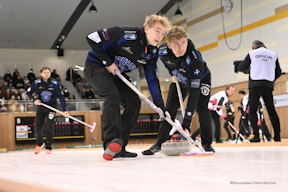
Curling featured round-robin preliminaries with consecutive matches, creating increasingly mixed standings toward the end. Many close matches remained unpredictable until the final end, with guard placement, takeout angles, and sweeping intensity determining crucial moments. Mixed doubles had faster-paced developments with continuous battles for first move advantage. Timeouts were used to clarify strategies, and shots utilizing the hammer advantage created alternating cheers and sighs from the crowd.
2-5. Ice Hockey
Fighting for gold 🥇
— Milano Cortina 2026 (@milanocortina26) February 19, 2026
🇨🇦 vs 🇺🇸
Who’s winning?#MilanoCortina2026 #Olympics #IceHockey pic.twitter.com/AyHuEMinML
Event | Gold | Silver | Bronze |
|---|---|---|---|
Women's | United States | Canada | Switzerland |
Men's | United States | Canada | Finland |
Ice hockey saw both men's and women's finals feature United States versus Canada, drawing concentrated attention. The women's final was decided in overtime after a late tie, while the men's was also decided by a 2-1 overtime goal for the United States gold. The clash between destined rivals featured intense physicality, high-speed transitions, and consecutive goalkeeper saves that elevated the venue's excitement. The overtime decisive strikes became symbolic of the Games.
2-6. Alpine Skiing
🥇 🇮🇹 🥇#FedericaBrignone #MilanoCortina2026 #Olympics #AlpineSkiing pic.twitter.com/Uxj6xBheHB
— Milano Cortina 2026 (@milanocortina26) February 15, 2026
Event | Gold | Silver | Bronze |
|---|---|---|---|
Women's Downhill | United States | Germany | Italy |
Women's Team Combined Slalom | Austria | Germany | United States |
Women's Super-G | Italy | France | Austria |
Women's Slalom | United States | Switzerland | Sweden |
Women's Giant Slalom | Italy | Sweden Norway | — |
Men's Downhill | Switzerland | Italy | Italy |
Men's Team Combined Slalom | Switzerland | Austria Switzerland | — |
Men's Super-G | Switzerland | United States | Switzerland |
Men's Slalom | Switzerland | Austria | Norway |
Men's Giant Slalom | Brazil | Switzerland | Switzerland |
Alpine skiing featured separate venues for men and women, with women competing at Tofane in the Dolomites and men on the steep slopes of Stelvio, where speed and technique collided. Downhill events drew such attention that spectator seats sold out, with 150km/h-class speed battles being spectacular. Slalom with dense gate settings tested precision and rhythm over two combined runs. The new team combined event also became a strategic battle, with close finishes exciting the crowds.
2-7. Ski Jumping
From flight to celebration.
— Milano Cortina 2026 (@milanocortina26) February 9, 2026
From dream to gold.
🇩🇪 Philipp Raimund is Olympic champion in the Ski Jumping Men’s Normal Hill Individual! 🥇#MilanoCortina2026 #Olympics #SkiJumping #Raimund pic.twitter.com/pxqMgAg6dY
Event | Gold | Silver | Bronze |
|---|---|---|---|
Women's Individual NH | Norway | Slovenia | Japan |
Women's Individual LH | Norway | Norway | Slovenia |
Men's Individual NH | Germany | Poland | Japan Switzerland |
Men's Individual LH | Slovenia | Japan | Poland |
Men's Super Team | Austria | Poland | Norway |
Mixed Team | Slovenia | Norway | Japan |
Ski jumping was held at Predazzo Ski Jump Stadium in Predazzo, with hill sizes of Normal Hill 109m and Large Hill 143m. Wind waiting and gate adjustments created fluctuating conditions, with single takeoff differences changing rankings. Style points including landing telemark positions decided close margins, and the addition of new women's individual Large Hill and men's super team events maintained tension until the end.
2-8. Snowboard
🇺🇸 🇰🇷 🇯🇵
— Milano Cortina 2026 (@milanocortina26) February 12, 2026
🥈 🥇 🥉
A snowy evening in Livigno for the Snowboard Halfpipe!
Gaon Choi wins the Republic of Korea’s first GOLD medal at the Milano Cortina 2026 Games!
Silver for legend Chloe Kim and bronze for Japan’s Mitsuki Ono!#MilanoCortina2026 #Olympics #Snowboard… pic.twitter.com/LZo87CUDm1
Event | Gold | Silver | Bronze |
|---|---|---|---|
Women's Cross | Australia | Czech Republic | Italy |
Women's Halfpipe | South Korea | United States | Japan |
Women's Big Air | Japan | New Zealand | South Korea |
Women's Slopestyle | Japan | New Zealand | Japan |
Women's Parallel Giant Slalom | Czech Republic | Austria | Italy |
Men's Cross | Austria | Canada | Austria |
Men's Halfpipe | Japan | Australia | Japan |
Men's Big Air | Japan | Japan | China |
Men's Slopestyle | China | Japan | United States |
Men's Parallel Giant Slalom | Austria | South Korea | Bulgaria |
Mixed Team Cross | Great Britain | Italy | France |
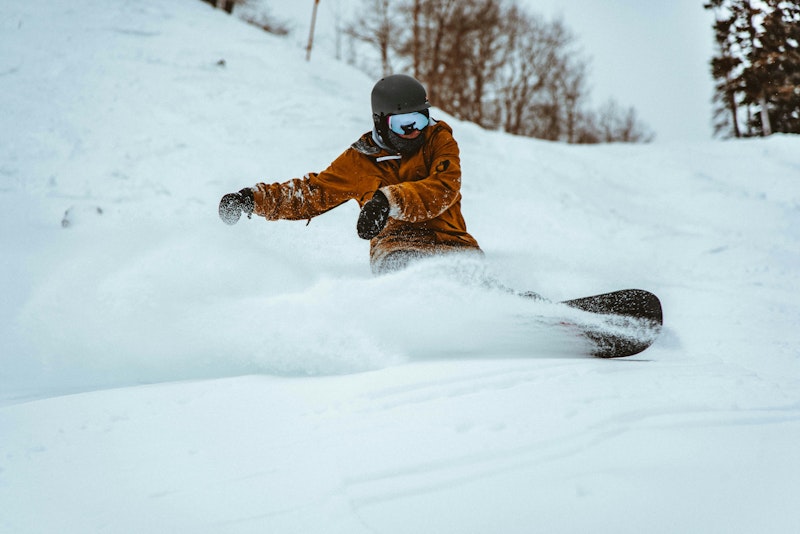
In snowboard, big air and slopestyle featured consecutive high-rotation big tricks, with landing stability determining success and failure. Halfpipe competed on consecutive trick completion quality, while cross and parallel giant slalom saw continuous reversals in 1-on-1 close battles. Mixed team cross was also implemented, rapidly elevating excitement at venues and on social media.
2-9. Luge
ミラノ・コルティナ2026冬季オリンピック
— TEAM JAPAN (@TeamJapan) December 29, 2025
━━━━━━━━
❄競技紹介❄
リュージュ🛷
━━━━━━━━
ハンドルもブレーキもない強化プラスチック製のそりに仰向けに寝て、滑走タイムを競う競技⚡️… pic.twitter.com/848dySxE6V
Event | Gold | Silver | Bronze |
|---|---|---|---|
Women's Singles | Germany | Latvia | United States |
Women's Doubles | Italy | Germany | Austria |
Men's Singles | Germany | Austria | Italy |
Men's Doubles | Italy | Austria | Germany |
Team Relay | Germany | Austria | Italy |
In luge, athletes raced at speeds of 150km/h on the Cortina track. Starts involved hitting the ice with spiked gloves for acceleration, navigating curves through steering alone. Rankings were determined by combined times from four runs measured to 0.001 seconds. With the first-time implementation of women's doubles and team relay events, rankings fluctuated by wall-grazing margins, creating breathtaking developments until the end.
2-10. Biathlon
バイアスロンは本日からスタートしています🧐#オリンピック | #ミラノ・コルティナ2026 pic.twitter.com/RNDPLTT7nc
— オリンピック (@gorin) February 8, 2026
Event | Gold | Silver | Bronze |
|---|---|---|---|
Women's 7.5km Sprint | Norway | France | France |
Women's 10km Pursuit | Italy | Norway | Finland |
Women's 15km Individual | France | France | Bulgaria |
Women's 4×6km Relay | France | Sweden | Norway |
Women's 12.5km Mass Start | France | France | Czech Republic |
Men's 10km Sprint | France | Norway | Norway |
Men's 12.5km Pursuit | Sweden | Norway | France |
Men's 15km Mass Start | Norway | Norway | France |
Men's 20km Individual | Norway | France | Norway |
Men's 4×7.5km Relay | France | Norway | Sweden |
Mixed 4×6km Relay (Men + Women) | France | Italy | Germany |
Biathlon was held at Antholz at an altitude of 1600m. Missing shots resulted in penalties such as 150m penalty loops for sprint events, or 1-minute time additions for individual events, causing major ranking fluctuations. Wind and snow affected aim, with the venue erupting in murmurs at each miss. Pursuit featured second-by-second chases, mass start involved positioning battles, and relays saw flow changes with exchanges and spare ammunition, maintaining intense competition from final shooting to final laps.
2-11. Bobsled
🇩🇪 WINS IT ALL!
— Milano Cortina 2026 (@milanocortina26) February 17, 2026
Gold. Silver. Bronze. go to Germany in the 2-man bobsleigh competition! 🥇🥈🥉#MilanoCortina2026 #Olympics #Olimpiadi pic.twitter.com/9HxkMO4klt
Event | Gold | Silver | Bronze |
|---|---|---|---|
Women's Monobob | United States | Germany | United States |
Women's Two-man | Germany | Germany | United States |
Men's Two-man | Germany | Germany | Germany |
Men's Four-man | Germany | Germany | Switzerland |
Bobsled featured the new Cortina track with 16 curves of high-speed sections, where push-off starts and steering precision became decisive factors. Athletes carved lines through weight shifts, with wall contact causing immediate deceleration. Women's monobob used identical sleds making differences more apparent, with ice temperature changes also part of the tactical battle. Combined times from four heats over two days saw consecutive 0.01-second margins, with rankings fluctuating until the final run, exciting the crowds.
2-12. Skeleton
Event | Gold | Silver | Bronze |
|---|---|---|---|
Women's | Austria | Germany | Germany |
Men's | Great Britain | Germany | Germany |
Mixed Team | Great Britain | Germany | Germany |
At Cortina's new sliding center, the head-first sliding spectacle drew attention. Combined times from four runs saw consecutive 0.01-second margins, with slight mistakes in push-off starts and steering causing dramatic ranking changes. Wall contact caused deceleration, and ice condition changes became part of the tactical battle. Tension continued until the final heat. The newly adopted mixed team event featured reaction starts that increased excitement, with cheers never ceasing.
2-13. Ski Mountaineering
THE FIRST!
— Milano Cortina 2026 (@milanocortina26) February 19, 2026
🇨🇭 Marianne Fatton writes her name into Olympic history!!
The first ever Olympic gold medal in Ski Mountaineering!!#MilanoCortina2026 #Olympics #SkiMountaineering #Skimo @ISMFSkimo pic.twitter.com/tokShOZRqQ
Event | Gold | Silver | Bronze |
|---|---|---|---|
Women | Switzerland | France | Spain |
Men | Spain | AIN | France |
Mixed Relay | France | Switzerland | Spain |
The Olympic debut of ski mountaineering (skimo) featured approximately 3-minute sprints and mixed relays at Bormio. The sprint events, with semifinals leading to finals in quick succession, kept spectators' eyes glued to the course. The key transitions between skinning uphill, boot packing while carrying skis, and downhill skiing proved crucial, where mistakes or minor penalties could immediately lead to reversals of fortune.
3. Medal Rankings by Country at the 2026 Winter Olympics (1st-14th Place)
🥇🥈🥉 The final medal count of #MilanoCortina2026!!
— Milano Cortina 2026 (@milanocortina26) February 22, 2026
So many emotions!!#Olympics pic.twitter.com/SLAUaTj8db
At the 2026 Winter Olympics, Norway demonstrated overwhelming strength in gold medal count, followed by the United States and the Netherlands. Here we present the rankings and breakdown of the top 14 medal-winning countries in table format.
3-1. 1st Place: Norway
Gold | Silver | Bronze | Total | |
|---|---|---|---|---|
Norway | 18 | 12 | 11 | 41 |
Alpine Skiing | 0 | 1 | 1 | 2 |
Cross-Country Skiing | 7 | 2 | 5 | 14 |
Ski Jumping | 2 | 2 | 1 | 5 |
Speed Skating | 1 | 2 | 1 | 4 |
Nordic Combined | 3 | 0 | 0 | 3 |
Biathlon | 3 | 5 | 3 | 11 |
Freestyle Skiing | 2 | 0 | 0 | 2 |
3-2. 2nd Place: United States
Gold | Silver | Bronze | Total | |
|---|---|---|---|---|
United States | 12 | 12 | 9 | 33 |
Ice Hockey | 2 | 0 | 0 | 2 |
Alpine Skiing | 2 | 1 | 1 | 4 |
Curling | 0 | 1 | 0 | 1 |
Cross-Country Skiing | 0 | 2 | 1 | 3 |
Short Track | 0 | 0 | 1 | 1 |
Snowboard | 0 | 1 | 1 | 2 |
Speed Skating | 2 | 2 | 1 | 5 |
Figure Skating | 2 | 1 | 0 | 3 |
Freestyle Skiing | 3 | 4 | 1 | 8 |
Bobsled | 1 | 0 | 2 | 3 |
Luge | 0 | 0 | 1 | 1 |
3-3. 3rd Place: Netherlands
Gold | Silver | Bronze | Total | |
|---|---|---|---|---|
Netherlands | 10 | 7 | 3 | 20 |
Short Track | 5 | 1 | 1 | 7 |
Speed Skating | 5 | 6 | 2 | 13 |
3-4. 4th-15th Place
Rank | Country |
|---|---|
4th | Italy |
5th | Germany |
6th | France |
7th | Sweden |
8th | Switzerland |
9th | Austria |
10th | Japan |
11th | Canada |
12th | China |
13th | South Korea |
14th | Australia |
15th | Great Britain |
3-5. 16th-29th Place
16th place is Czech Republic, 17th is Slovenia, 18th is Spain, 19th are Brazil and Kazakhstan, 21st is Poland, 22nd is New Zealand, 23rd is Finland, 24th is Latvia, 25th are Denmark, Estonia, and Georgia, 28th is Bulgaria, and 29th is Belgium.
4. Popular Sports and Rankings at the 2026 Winter Olympics
The sports that garnered particular popularity at the 2026 Winter Olympics were figure skating and ice hockey. Figure skating captivated audiences with its graceful performances and advanced technical skills, while ice hockey thrilled spectators with its intense battles and dynamic action. Here we explain what made each sport noteworthy at these Games.
4-1. Figure Skating
Figure skating at Milano-Cortina was a competition where close margins and upsets shifted the power dynamics. In the men's competition, favorite Ilia Malinin faltered in the free skate, while Kazakhstan's Mikhail Shaidorov staged a dramatic comeback that captured global attention.
In the women's competition, returning skater Alysa Liu took social media by storm with her striped hair and passionate music choices. In pairs, world record scores were updated in the free skate, highlighting the battle for technical perfection. In ice dance, the newly formed team of Laurence Fournier Beaudry/Guillaume Cizeron reached the pinnacle in their debut season.
The team event was decided by a single point, with tension lasting until the final discipline. Beyond quad success rates, the evaluation of skating quality also became a topic of discussion.
4-2. Ice Hockey
Ice hockey at Milano-Cortina saw both men's and women's finals feature United States vs Canada, with overtime victories becoming the symbol of the Games. In the men's competition, Jack Hughes' decisive goal, Quinn Hughes' playmaking, and goaltender Hellebuyck's 40 saves were key highlights. For Canada, Cale Makar's tying goal shone bright, while Sidney Crosby's absence was also a talking point.
In the women's competition, captain Hilary Knight scored the tying goal in the final period despite playing through injury, with Megan Keller's overtime winner deciding the match. Power play battles and late-game defense swung momentum, where a single mistake could immediately result in a goal. The overtime period drew 26 million viewers, making the excitement tangible.
Summary
The 2026 Winter Olympics "Milano-Cortina 2026" was held across multiple venues in northern Italy, including Milano, Cortina, Livigno, Bormio, and Antholz. With the addition of the new sport of ski mountaineering (skimo), diverse snow and ice competitions unfolded.
Overall, Norway led the medal standings, with Klæbo achieving a historic six-gold performance in cross-country skiing that captured headlines. On ice, the United States won both men's and women's ice hockey in overtime, drawing significant attention, while the Netherlands demonstrated their presence with their gold medal count in speed skating. Host nation Italy also made their mark with Federica Brignone winning two golds in alpine skiing. Japan also secured podium finishes including their first-ever pairs gold in figure skating, establishing themselves among the major nations.
※This article is based on information as of February 2026