Tourist Attractions and Hot Springs in Kyushu
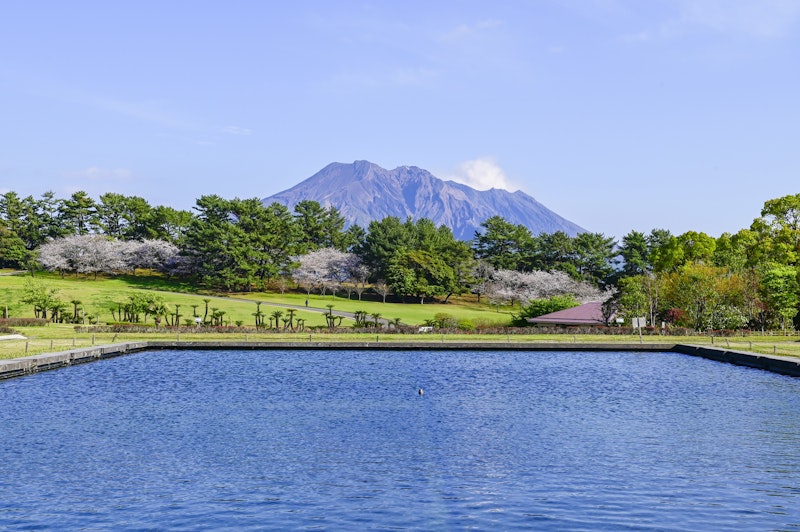


Kyushu is one of Japan's premier tourist areas where rich nature, hot springs, and unique culture come together. The dynamic landscapes created by volcanoes, beautiful coastlines, famous hot spring resorts, and regional traditions attract many travelers. From the cityscapes of Fukuoka and Nagasaki to the magnificent nature of Kumamoto and Kagoshima, and the mythical lands of Miyazaki, each destination offers new discoveries.
This article provides detailed introductions to Kyushu's diverse attractions, including tourist destinations and hot spring highlights, as well as the Kyushu-born Japanese drum entertainment "DRUM TAO".
Table of Contents
1. Kyushu is one of Japan's premier tourist areas featuring nature, hot springs, and culture
1-1. Why it's popular with international visitors
1-2. Seasonal enjoyment (by spring, summer, autumn, winter)
2. 13 Famous Tourist Destinations in Kyushu
2-1. Dazaifu Tenmangu (Fukuoka Prefecture)
2-2. Marine World Uminonakamichi (Fukuoka Prefecture)
2-3. Yoshinogari Historical Park (Saga Prefecture)
2-4. Peace Park・Peace Statue (Nagasaki Prefecture)
2-5. Huis Ten Bosch (Nagasaki Prefecture)
2-6. Glover Garden (Nagasaki Prefecture)
2-7. Kujuku Islands (Nagasaki Prefecture)
2-8. Kumamoto Castle (Kumamoto Prefecture)
2-9. Takachiho Gorge (Miyazaki Prefecture)
2-10. Aoshima Shrine (Miyazaki Prefecture)
2-11. Sakurajima (Kagoshima Prefecture)
2-12. Kirishima Shrine (Kagoshima Prefecture)
2-13. Yakushima (Kagoshima Prefecture)
3. 9 Hot Springs to Visit in Kyushu
3-1. Beppu Onsen (Oita Prefecture)
3-2. Yufuin Onsen (Oita Prefecture)
3-3. Ibusuki Onsen (Kagoshima Prefecture)
3-4. Kurokawa Onsen (Kumamoto Prefecture)
3-5. Unzen Onsen (Nagasaki Prefecture)
3-6. Ureshino Onsen (Saga Prefecture)
3-7. Karatsu Onsen (Saga Prefecture)
3-8. Hirado Onsen (Nagasaki Prefecture)
3-9. Kirishima Onsen-kyo (Kagoshima Prefecture)
4. The Appeal of DRUM TAO to See in Kyushu
4-1. 2026 Schedule
Summary
1. Kyushu is one of Japan's premier tourist areas featuring nature, hot springs, and culture
Kyushu is located in the southwestern part of the Japanese archipelago and is a region full of charm where magnificent nature, hot springs, and unique culture come together. The dynamic landscapes created by volcanoes such as Mount Aso and Sakurajima, beautiful coastlines, and famous hot springs like Yufuin, Kurokawa, and Ibusuki heal visitors.
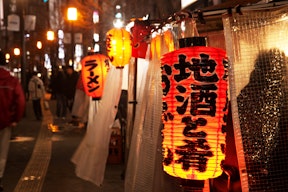
In Fukuoka, you can enjoy food stall cuisine and shopping; in Nagasaki, foreign cultural streetscapes; and in Kumamoto, Kumamoto Castle and the great nature of Aso. Kyushu, where nature, hot springs, food, and history harmonize, is a tourist area that condenses Japan's attractions and is popular with first-time visitors to Japan.
1-1. Why it's popular with international visitors
The reason Kyushu is popular with international visitors lies in the ability to encounter "Japan's original landscape" that cannot be experienced in Tokyo or Osaka. The magnificent nature of Aso and Unzen, hot springs known for their skin-beautifying properties, and warm hospitality born from interactions with local people are its attractions.
In Nagasaki and Kagoshima, you can feel unique history and foreign culture, while in Fukuoka and Kumamoto, you can enjoy local specialty cuisine. The experience of getting away from urban hustle and bustle and feeling the harmony of nature and culture is why Kyushu is chosen by travelers from around the world.
1-2. Seasonal enjoyment (by spring, summer, autumn, winter)
Here's a brief introduction to the seasonal charms of the Kyushu region, which shows different expressions in each of the four seasons.
■Spring ■Summer ■Autumn ■Winter |
2. 13 Famous Tourist Destinations in Kyushu
Kyushu has many tourist destinations with diverse attractions including not only nature and hot springs, but also history, culture, and gourmet food. Here we introduce 13 major tourist spots from Fukuoka, Nagasaki, Kumamoto, Miyazaki, and Kagoshima.
2-1. Dazaifu Tenmangu (Fukuoka Prefecture)
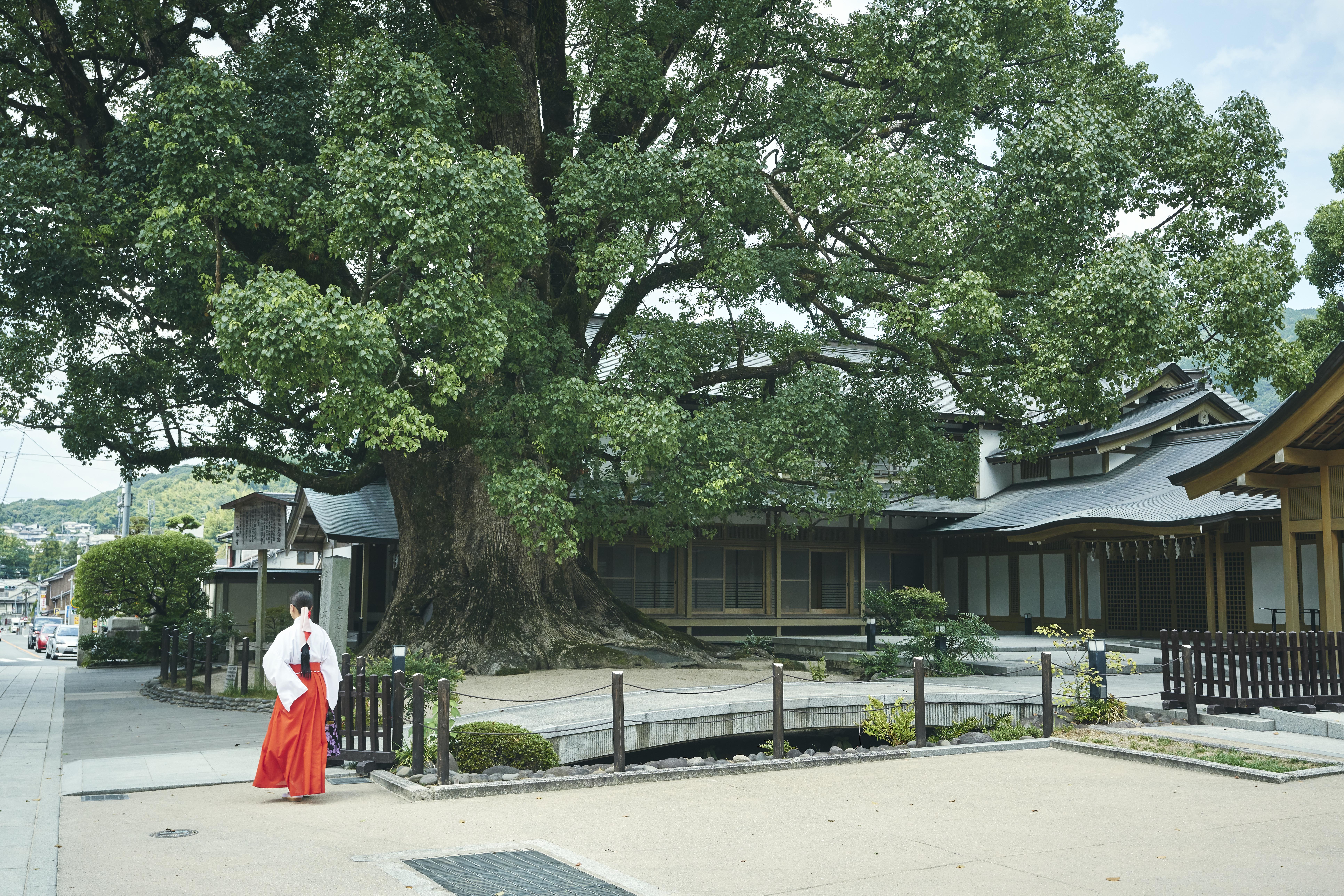
Dazaifu Tenmangu is the head shrine of all Tenmangu shrines nationwide, dedicated to Sugawara no Michizane, known as the god of learning. Built during the Heian period, it has over 1,100 years of history. The grounds include the main hall designated as a National Important Cultural Property, as well as a treasure hall and the adjacent Kyushu National Museum, making it a spot where you can feel the fusion of culture and art.
The approach is lined with shops selling the famous "plum branch rice cakes," bustling with tourists. It's a representative shrine of Kyushu visited by many worshippers praying for success in exams and academic achievement.
2-2. Marine World Uminonakamichi (Fukuoka Prefecture)
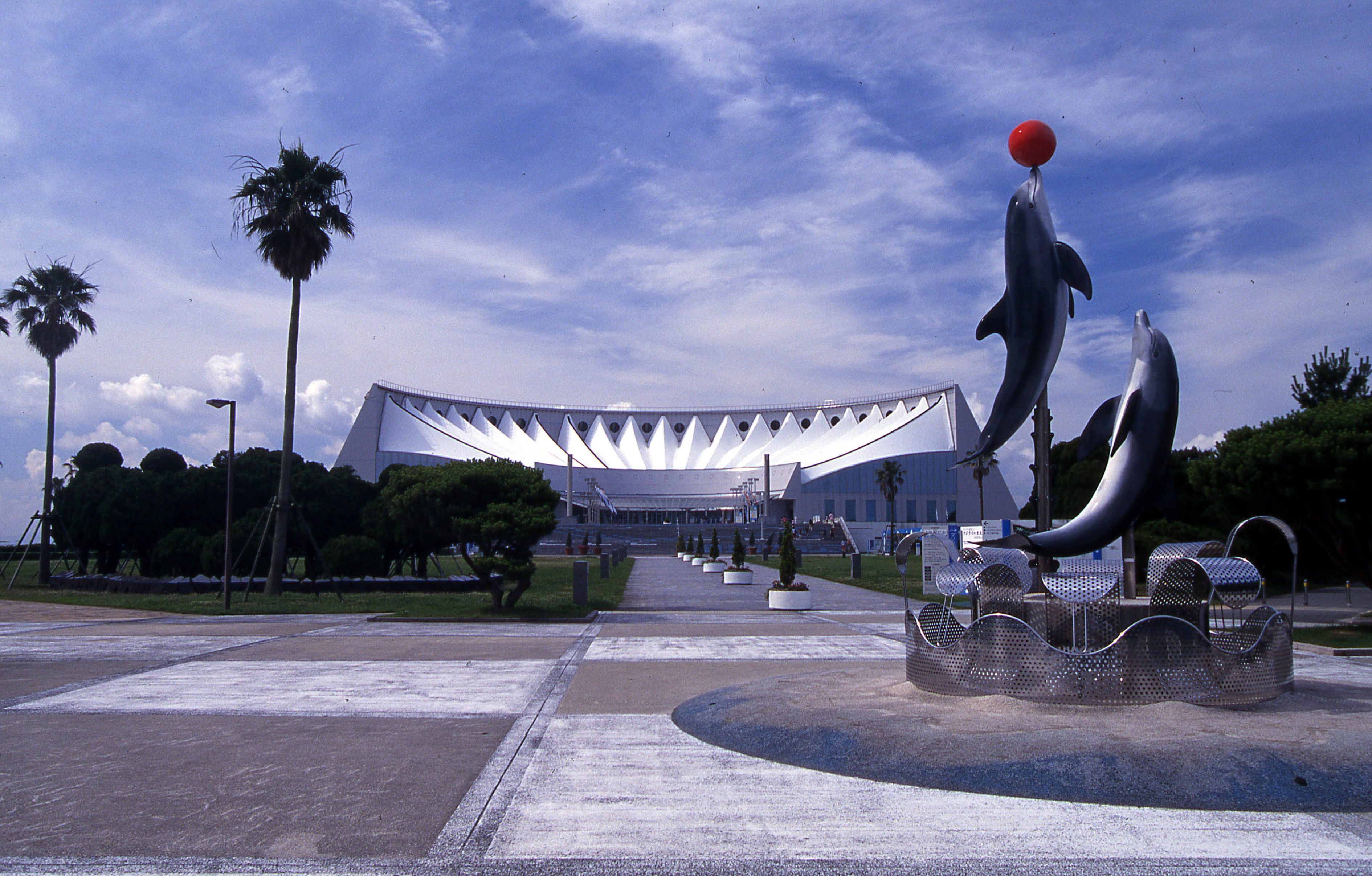
Marine World Uminonakamichi is an aquarium in Fukuoka City's Higashi Ward themed around "the seas of Kyushu," displaying approximately 350 species and 30,000 marine creatures. The dolphin shows are performed against the backdrop of Hakata Bay and are popular for their power and sense of openness.
In March 2024, the "Island Stage" where you can observe seals from 360 degrees and "Penguin Beach" where you can see penguins up close were introduced. From August to September, the special nighttime event "Night Aquarium" is also held, allowing visitors to experience different underwater worlds during day and night at this premier tourist spot in Fukuoka.
2-3. Yoshinogari Historical Park (Saga Prefecture)
(★Image: https://x.com/yoshinogari_hp/status/1828221809860452363/photo/1)
Yoshinogari Historical Park is a historical park that preserves and reconstructs Japan's largest Yayoi period moated precinct settlement "Yoshinogari Site." Within the park, raised-floor storehouses, watchtowers, and pit dwellings are reconstructed in their original form, allowing visitors to experience the life of Yayoi people.
The building remains found in excavation surveys attracted attention as precious discoveries that evoke the existence of Yamataikoku. The vast grounds also include exhibition halls and experience facilities, making it a popular spot where families can enjoy learning about ancient history.
2-4. Peace Park・Peace Statue (Nagasaki Prefecture)
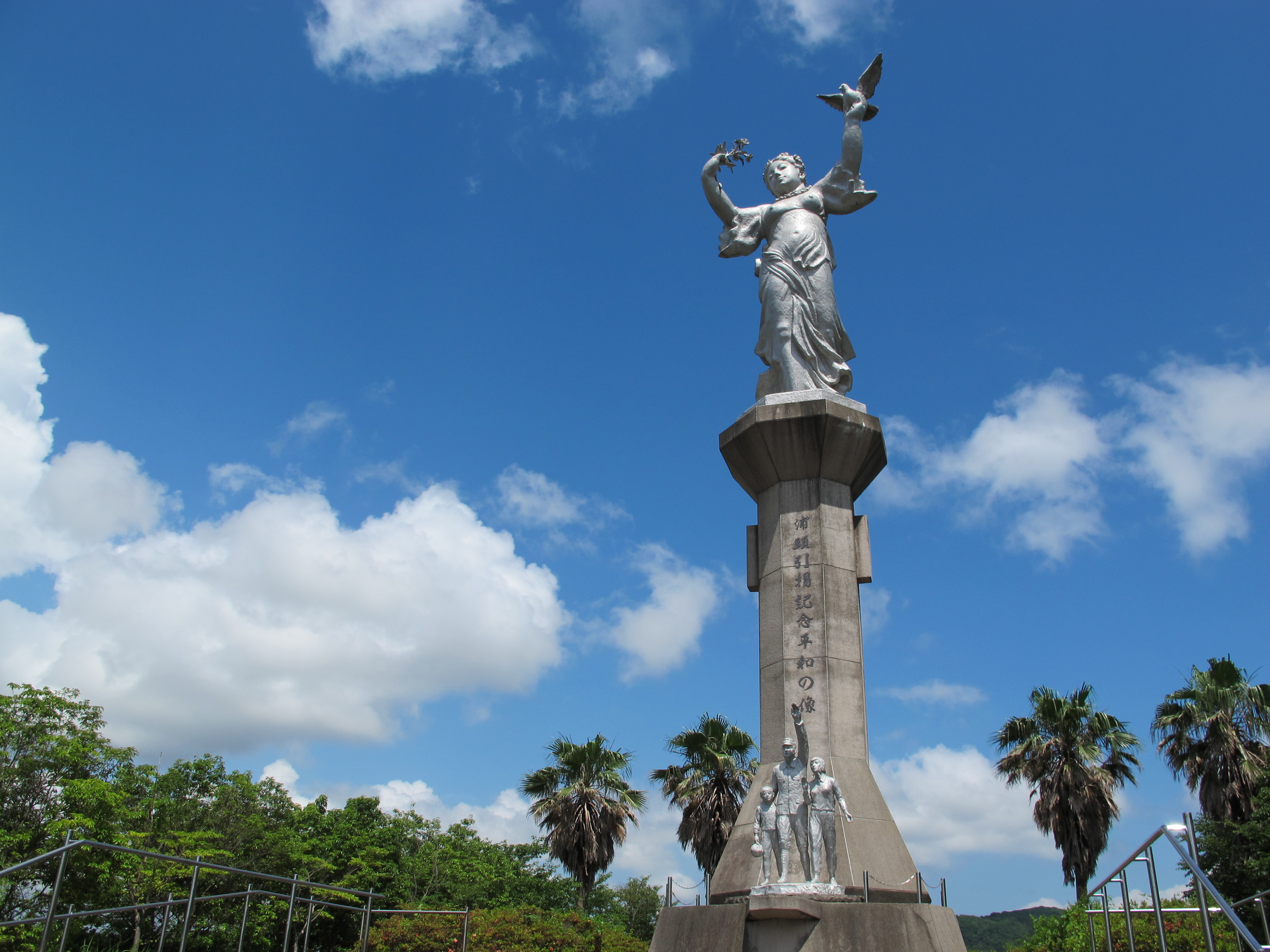
Peace Park is located on a hill north of the atomic bomb hypocenter in Nagasaki City and was developed as a place embodying wishes for world peace. The 9.7-meter-tall "Peace Statue" standing at the center is a work by Nagasaki-born sculptor Kitamura Seibo, with the right hand symbolizing the threat of atomic bombs, the left hand representing peace, and the closed eyelids symbolizing prayers for the souls of victims.
In front stands the "Fountain of Peace" which conveys the suffering of atomic bomb victims, and every August 9th, the Peace Memorial Ceremony is held here, sending the message of peace's importance to the world.
2-5. Huis Ten Bosch (Nagasaki Prefecture)
Huis Ten Bosch is Japan's largest theme park located in Sasebo City, Nagasaki Prefecture, a beautiful resort that faithfully recreates Dutch townscapes. You can enjoy flower roads and art gardens decorated with seasonal flowers, and spectacular illuminations at night.
The experiential facility "Kingdom of Light" and children's attractions are also well-equipped. It's a popular spot where you can experience moving experiences both day and night in an extraordinary space where European atmosphere and nature harmonize.
2-6. Glover Garden (Nagasaki Prefecture)
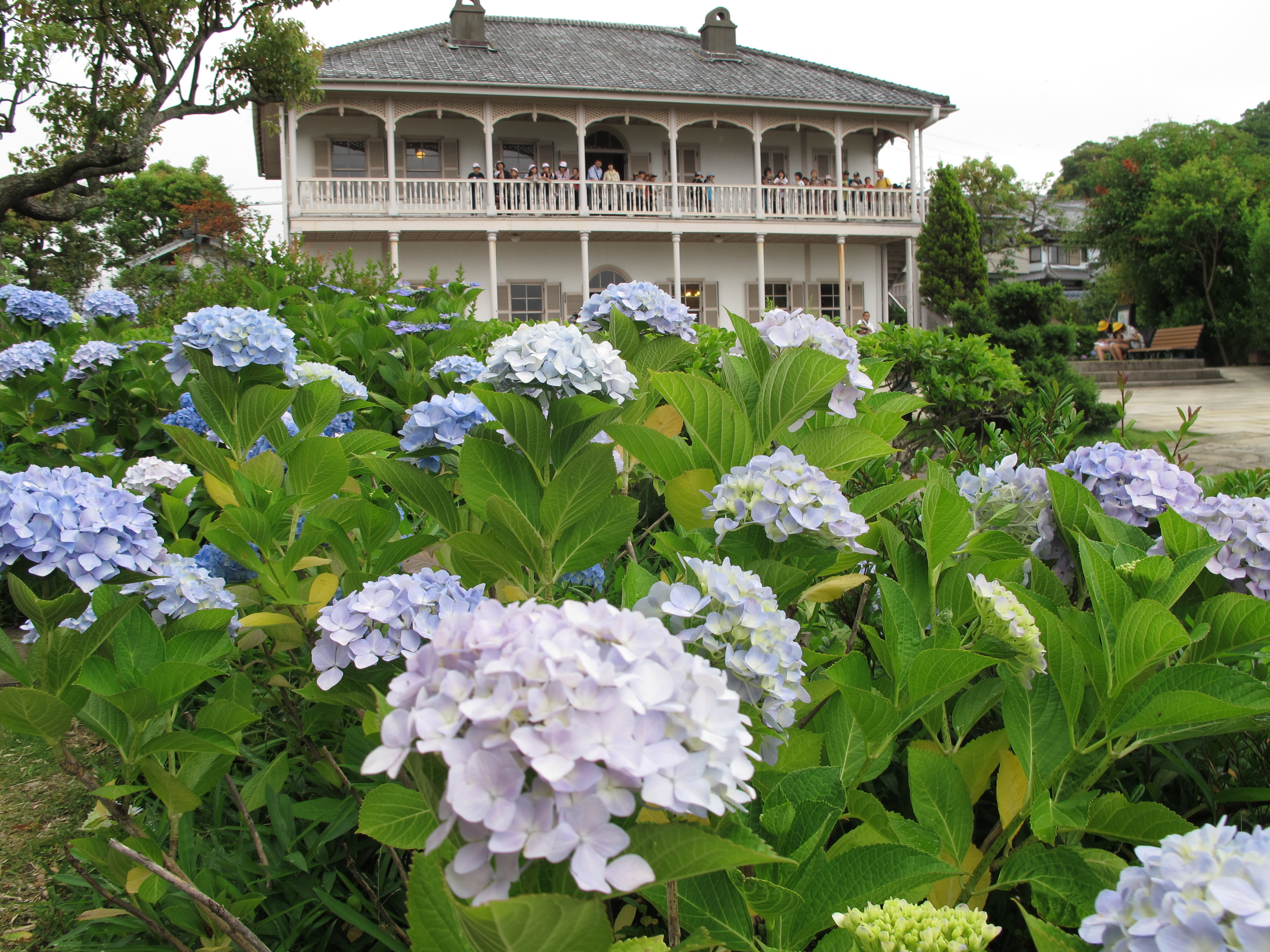
Glover Garden spreads across a hill overlooking Nagasaki Port and is one of Nagasaki's premier tourist spots with exotic atmosphere. Western-style buildings from the Meiji period line up, including the nationally designated Important Cultural Property Former Glover House, where you can feel the history and culture of the port opening era.
The garden features seasonal flowers and spectacular views overlooking the port. The legendary "Heart Stone" for romantic fulfillment and nighttime illuminations are also popular. It's a famous spot where you can experience Nagasaki's history in a romantic atmosphere.
2-7. Kujuku Islands (Nagasaki Prefecture)
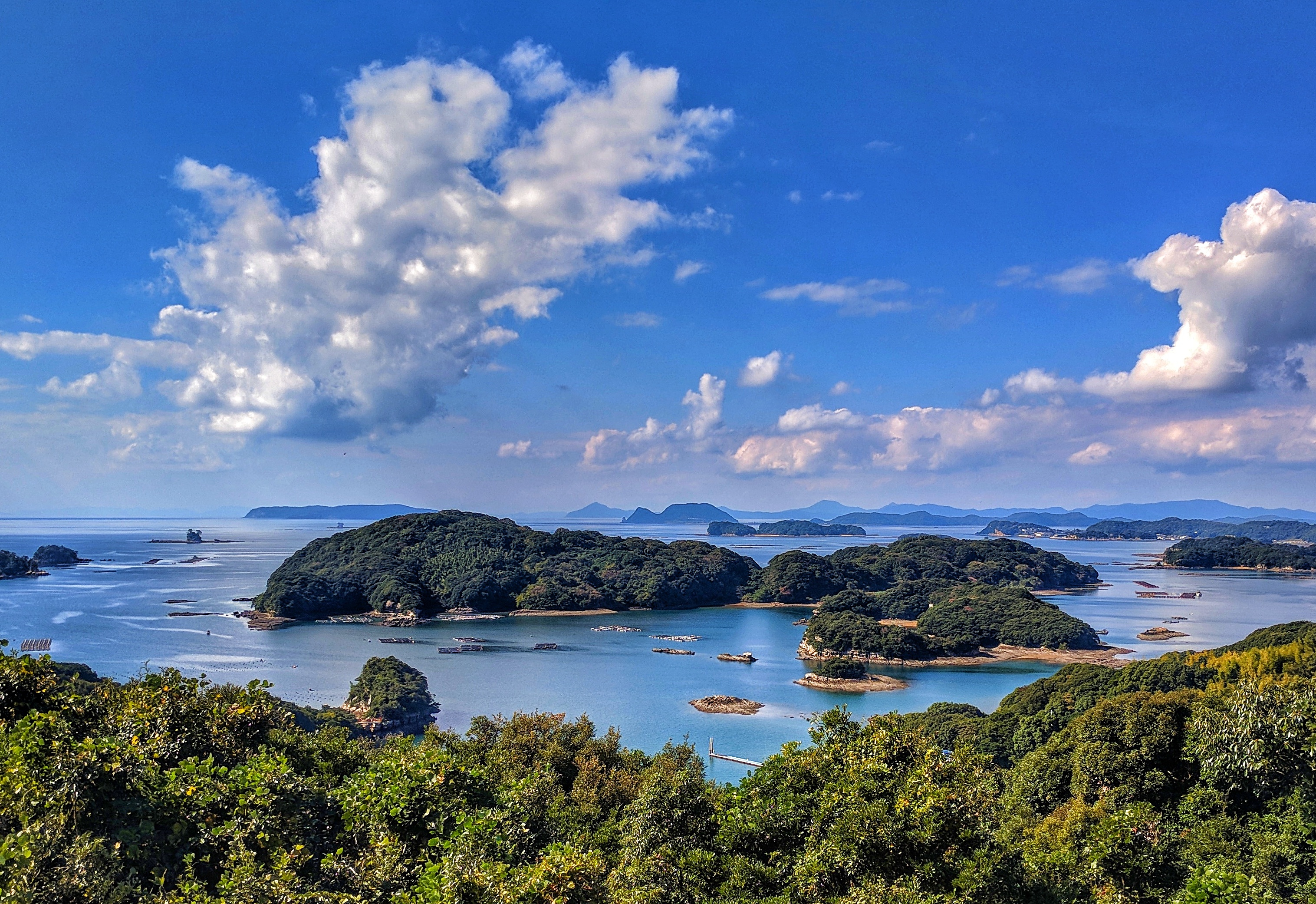
Kujuku Islands (Kujukushima) is a scenic area consisting of 208 islands off the coast of Sasebo City, Nagasaki Prefecture, boasting one of Japan's finest archipelago beauty. "Kujuku" means "countless" or "too many to count," and the contrast between the intricately indented rias coastline and islands captivates visitors.
The entire area is designated as Saikai National Park, characterized by rich ecosystems with many remaining natural coastlines. It's a popular spot where you can enjoy different expressions each season through spectacular views from observation decks, sightseeing boat cruises, and kayak experiences.
2-8. Kumamoto Castle (Kumamoto Prefecture)
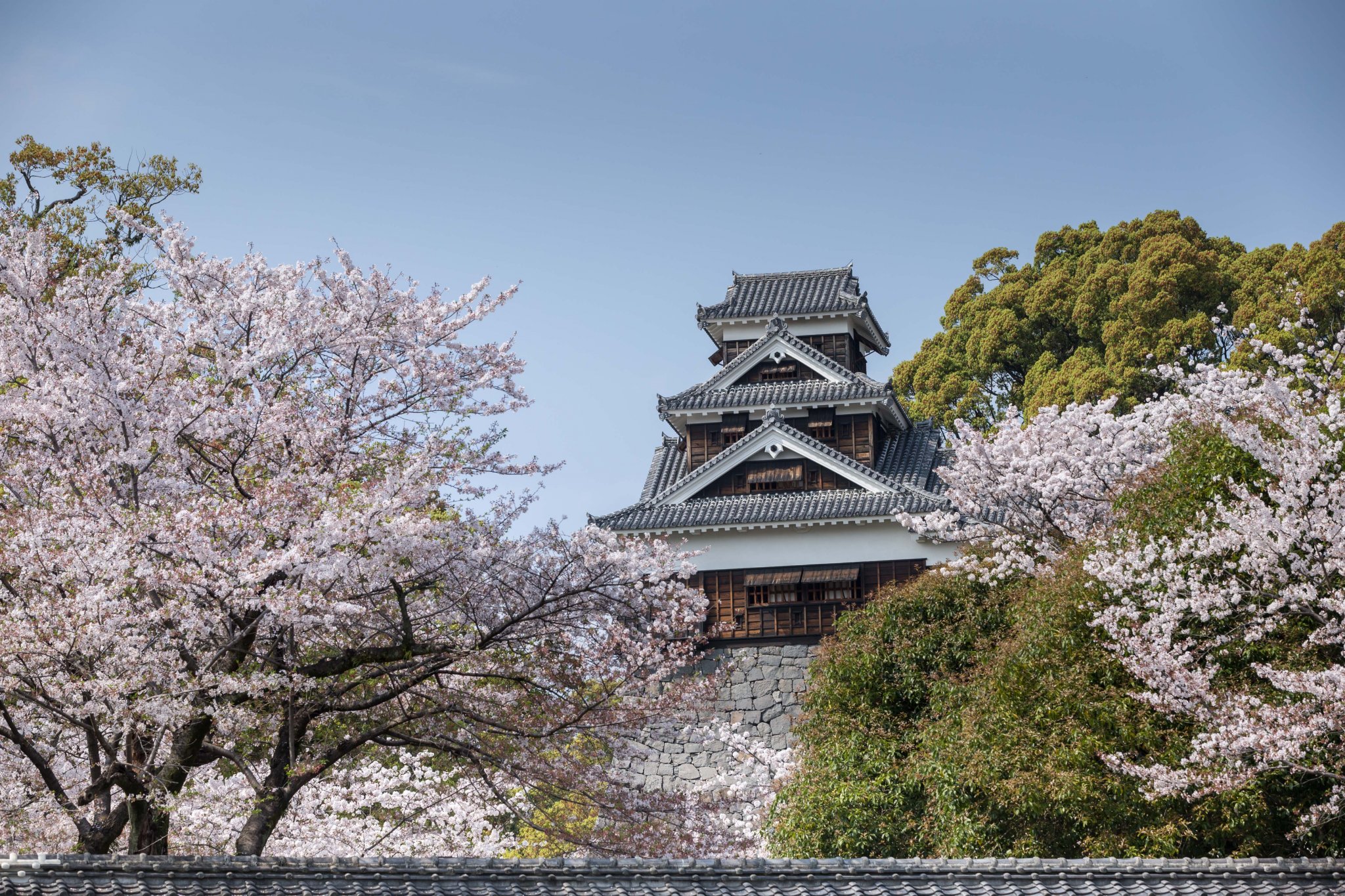
Kumamoto Castle is one of Japan's three great castles, a magnificent castle built by Kato Kiyomasa in 1607 as a representative castle of the Sengoku period. The castle, which took about 7 years to complete, boasts a perimeter of 5.3km and total area of 98 hectares, with solid stone walls and ingenious defensive structures as highlights.
Also called "Ginkgo Castle," it's known as a famous cherry blossom viewing spot where about 800 cherry trees bloom in spring. After damage from the Kumamoto Earthquake, restoration has progressed, and interior viewing of the main keep and special openings of Uto Turret have resumed. It's beloved by many as Kumamoto's pride.
2-9. Takachiho Gorge (Miyazaki Prefecture)
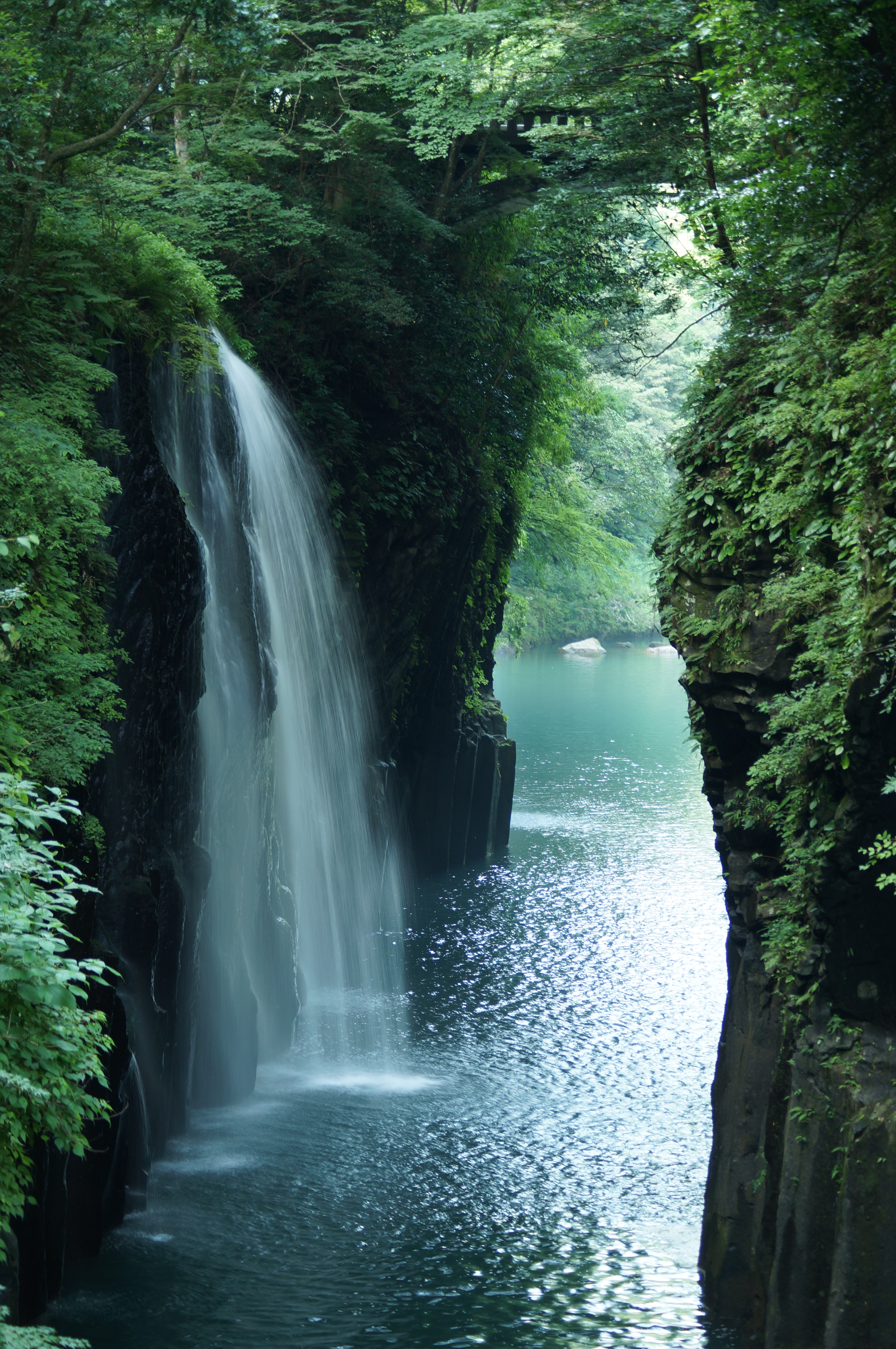
Takachiho Gorge is one of Japan's representative gorges located in northern Miyazaki Prefecture's Takachiho Town, also designated as a National Scenic Beauty and Natural Monument. Cliffs 80-100 meters high continue for about 7km, showcasing natural sculptural beauty created by pyroclastic flows from Mount Aso being eroded by the Gokase River.
The boat experience to view "Manai Falls," selected as one of Japan's 100 Famous Waterfalls, up close is popular, and you can enjoy spectacular scenery throughout the four seasons. It's a healing power spot that shows different expressions year-round, from fresh greenery and autumn colors to winter snow scenes.
2-10. Aoshima Shrine (Miyazaki Prefecture)
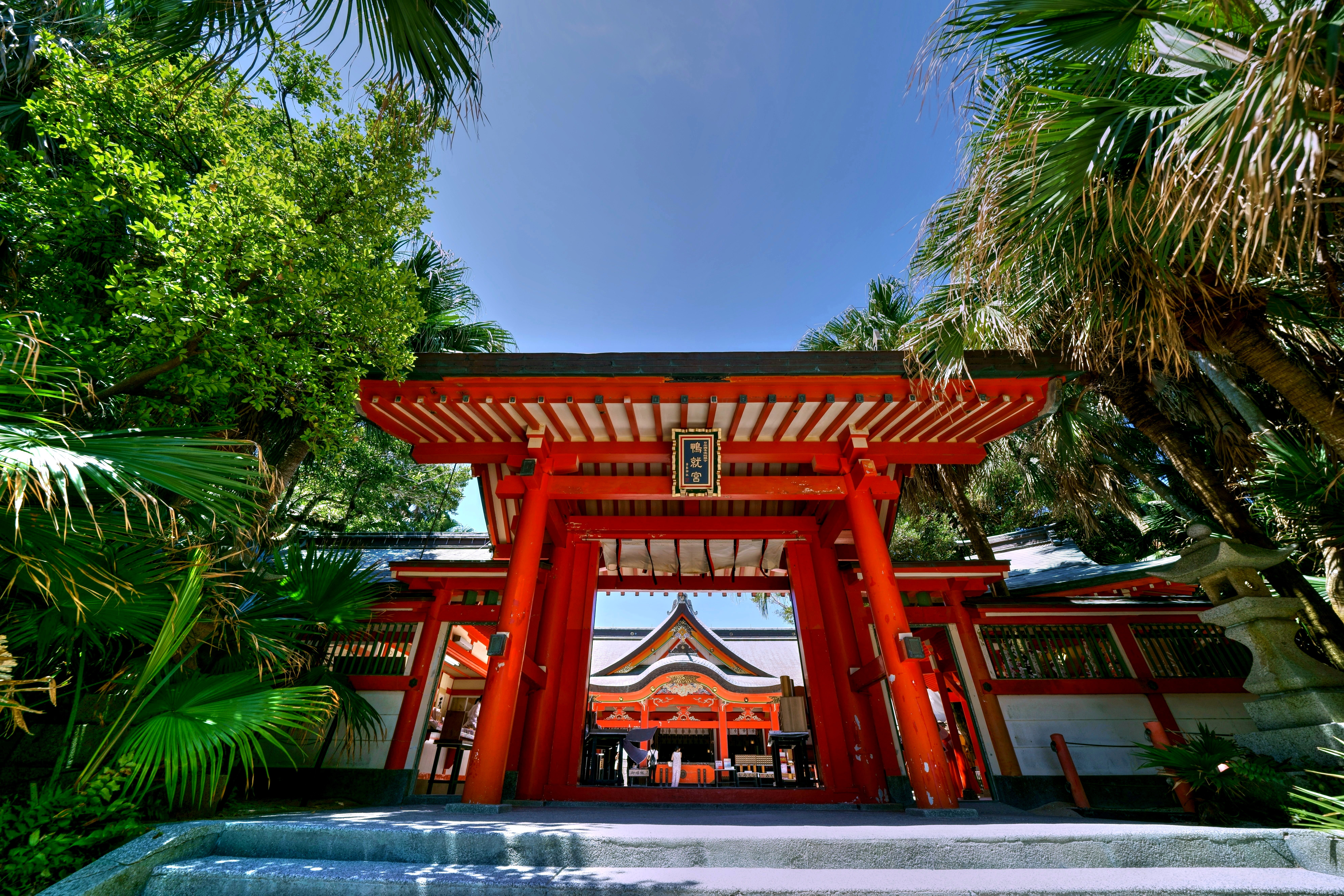
Aoshima Shrine is a shrine located in the center of Aoshima, where the entire island is considered the shrine grounds, and visitors worship by crossing Yayoi Bridge. Known as the setting for the myth of "Umisachihiko and Yamasachihiko," it's popular for blessings of matchmaking, safe childbirth, and good fortune.
The grounds feature heart-shaped votive plaques and love fortune slips, with wish-making spots like "married couple palm trees" and "heavenly pottery shard throwing" scattered throughout. Many worshippers visit to pray for romantic fulfillment in the mystical atmosphere surrounded by subtropical trees.
2-11. Sakurajima (Kagoshima Prefecture)
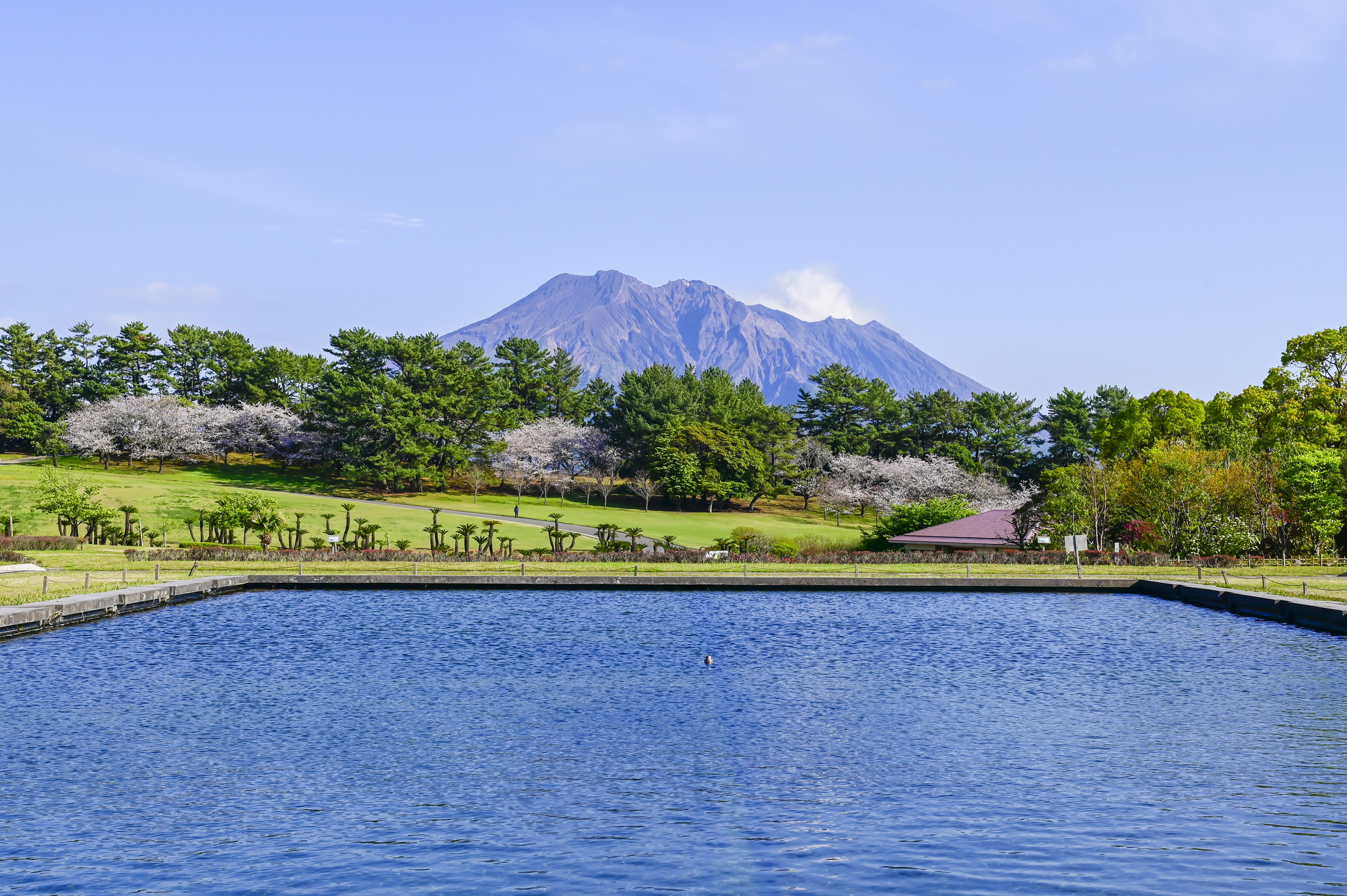
Sakurajima is an active volcano known nationwide as the symbol of Kagoshima, a magnificent composite volcano consisting of two peaks: Kitadake and Minamidake. Standing 1,117 meters high with a circumference of about 52km and area of about 80km², it continues to emit volcanic smoke. The 1914 Taisho Eruption produced massive lava flows that connected it to the Osumi Peninsula.
The 15-minute ferry ride on Sakurajima Ferry offers close-up views of the magnificent volcano, and from Yunohira Observatory you can overlook Kinko Bay and Kagoshima City. Local specialties like Sakurajima small oranges, hot springs, and kayak experiences are also popular, making it a tourist destination where you can experience the power of nature and volcanoes with all five senses.
2-12. Kirishima Shrine (Kagoshima Prefecture)
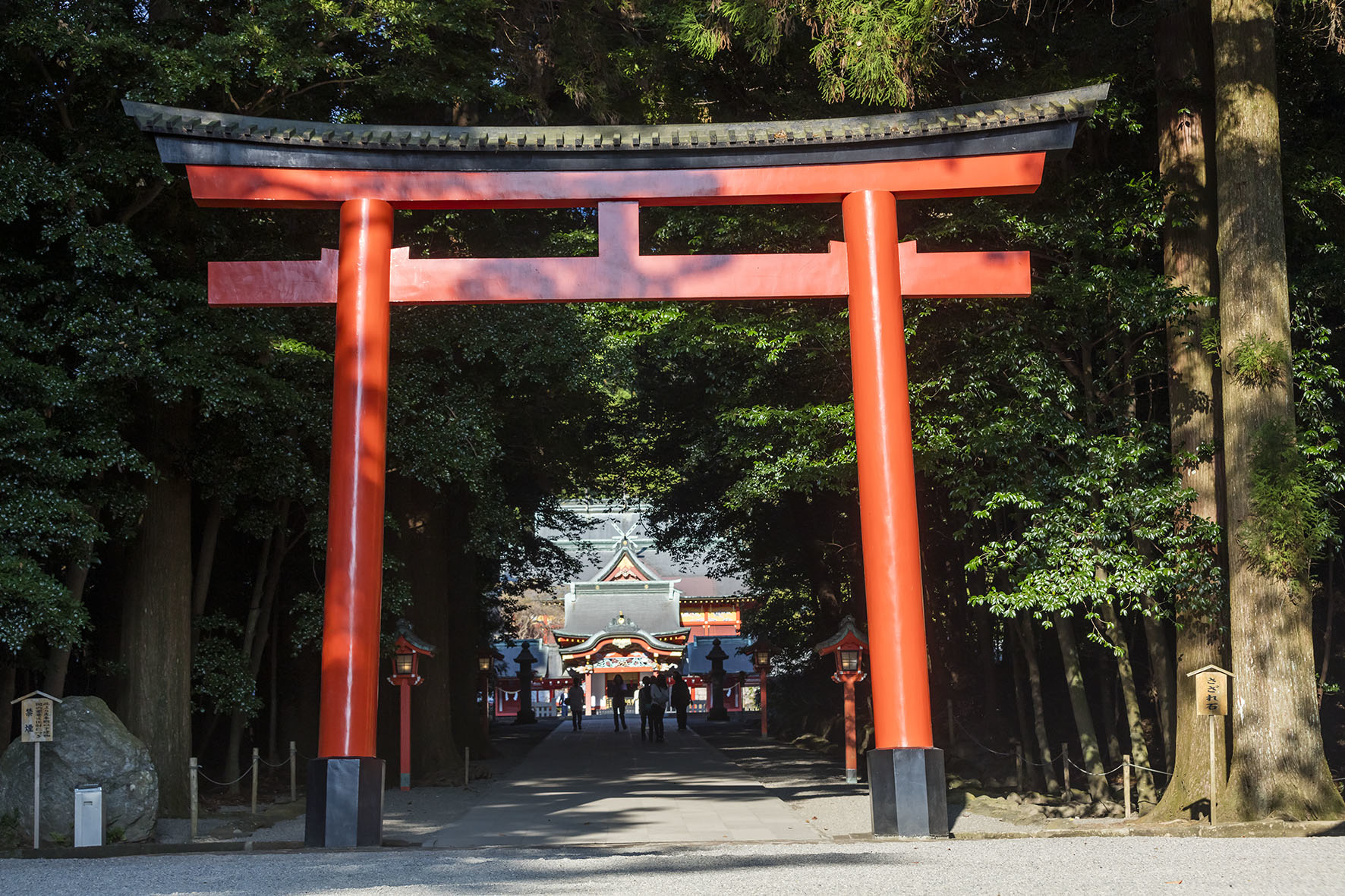
Kirishima Shrine is a prestigious shrine dedicated to Ninigi-no-Mikoto, the protagonist of the Heavenly Grandson's Descent myth, with its founding dating back to around the 6th century. After repeated destruction by volcanic eruptions and reconstruction, the current shrine buildings were donated by Satsuma Domain lord Shimazu Yoshitaka during the Edo period. The magnificent vermillion-lacquered shrine buildings were designated as National Treasures in 2022, with gorgeous decorations as highlights.
Known for Nine-Face Faith related to financial "arrangement" and as a famous autumn foliage spot, it's a healing spot where you can feel the sacred atmosphere unique to Kirishima along with surrounding nature like Shinsui Gorge.
2-13. Yakushima (Kagoshima Prefecture)
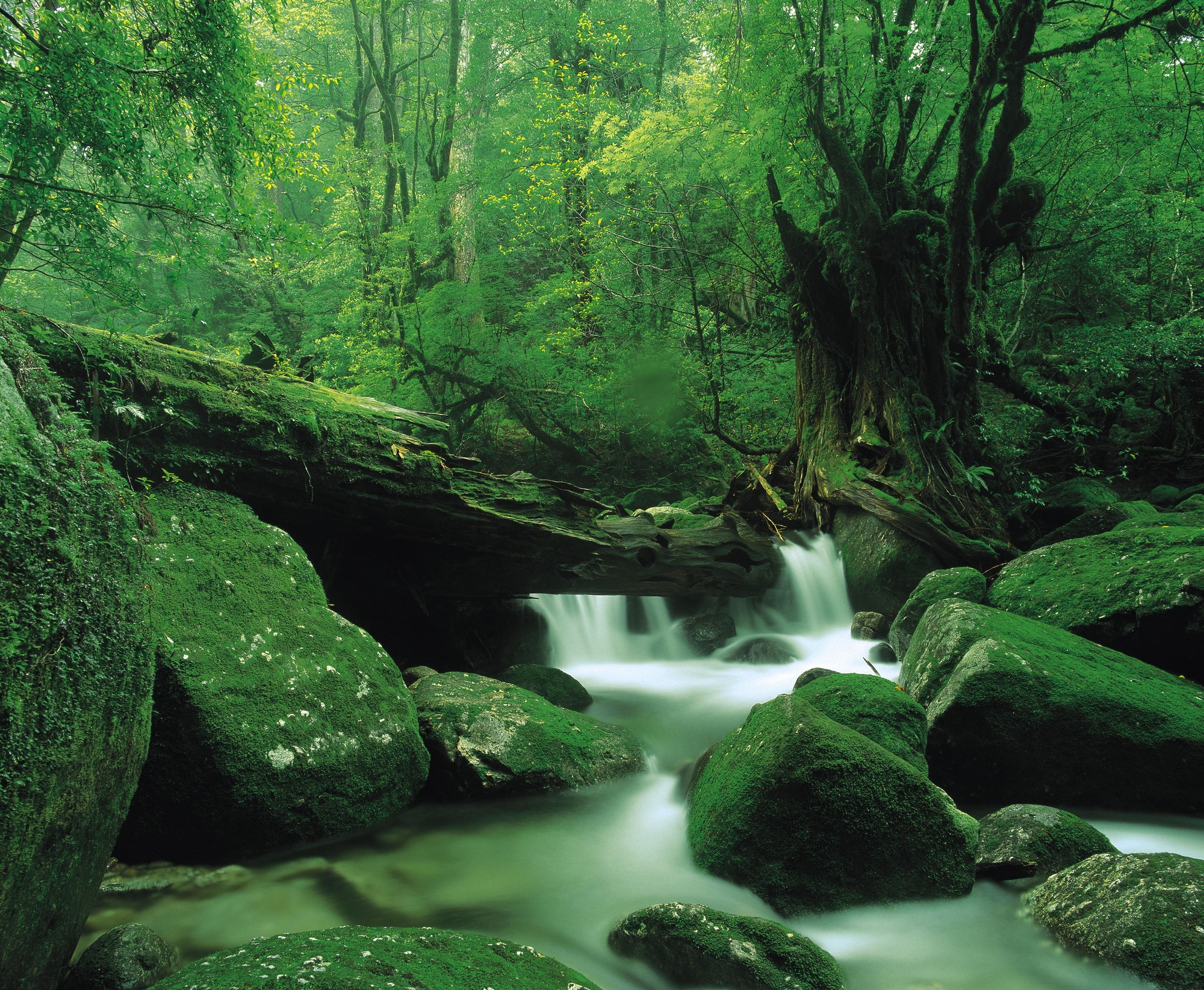
Yakushima is a World Natural Heritage island located about 135km south of Kagoshima Prefecture, with magnificent mountains centered around Miyanoura-dake (1,936m), Kyushu's highest peak. About 90% of the island is covered by forests, and its greatest attraction is the mystical nature including the thousands-of-years-old Jomon Sugi cedar and the moss-covered Shiratani Unsuikyo ravine.
Vegetation from subtropical to subarctic zones can be seen from the coast to the mountaintop, and it's said that "you can walk through Japan's four seasons in one day." Yakushima, where diverse flora and fauna and untouched primeval forests thrive, is a treasure trove of nature that gives visitors deep inspiration.
3. 9 Hot Springs to Visit in Kyushu
(Source: Beppu Tabi)
Kyushu is an area where some of Japan's leading hot spring resorts are concentrated, where you can feel healing along with the scenery of rising steam and rich nature. Here we introduce 9 hot spring areas in Kyushu with unique characteristics in terms of spring quality, scenery, and history.
3-1. Beppu Onsen (Oita Prefecture)
(Source: Beppu Tabi)
Beppu Onsen is a hot spring resort that boasts the highest number of sources and largest volume of hot spring water in Japan, composed of 8 hot spring areas called Beppu Hatto. The abundant geothermal energy created by volcanic activity about 30,000 years ago continues to produce diverse spring qualities today.
Recorded in the ancient "Bungo Fudoki," it developed as a healing place for warriors during the Kamakura period. Today it's popular with domestic and international travelers as a tourist destination where you can experience unique hot spring activities like hell tours, sand baths, and steam baths. The townscape with rising steam is truly symbolic of a hot spring city.
3-2. Yufuin Onsen (Oita Prefecture)
(Source: YUFUINFO|Yufuin・Shonai・Hasama Official Travel Guide)
Yufuin Onsen is a nature-rich hot spring resort spreading at the foot of Mount Yufu, characterized by mystical scenery enveloped in steam and morning mist. With about 900 sources, it boasts one of the highest volumes of hot spring water in the country. The spring quality is mainly simple hot springs and alkaline simple hot springs with low irritation, characterized by a soft water texture.
The hot spring town is dotted with art museums, cafes, and accommodation facilities, known as a tourist destination popular with women and couples. The ability to spend quiet time while feeling the four seasons of nature around Lake Kinrin is also a major attraction of Yufuin Onsen.
3-3. Ibusuki Onsen (Kagoshima Prefecture)
山川砂むし温泉「砂湯里」は、現在施設の修繕作業を進めており、12月中旬以降にリニューアルオープンする予定です✨️
— 指宿市観光課 (@ibusukikankou) September 27, 2024
詳しい日にちについては、あらためてお知らせいたします!
〇問い合わせ先
観光施設管理(ヘルシーランド)
☎0993-27-6966
#いぶすき #指宿 #鹿児島 #砂むし温泉 #砂湯里 pic.twitter.com/tY8jIEvnro
Ibusuki Onsen is a hot spring resort with tropical atmosphere located in the southeastern part of the Satsuma Peninsula, known for the world-rare "natural sand bath hot springs." You can experience sand baths at Surigahama Onsen and various locations throughout the city, where being enveloped in warm sand provides a pleasant relaxation effect.
The spring quality is sodium chloride springs with soft water texture and high heat retention properties. Blessed with a warm climate year-round, Ibusuki Onsen is known as a place associated with Saigo Takamori and Princess Atsu, making it a popular tourist destination where you can enjoy history and nature simultaneously.
3-4. Kurokawa Onsen (Kumamoto Prefecture)
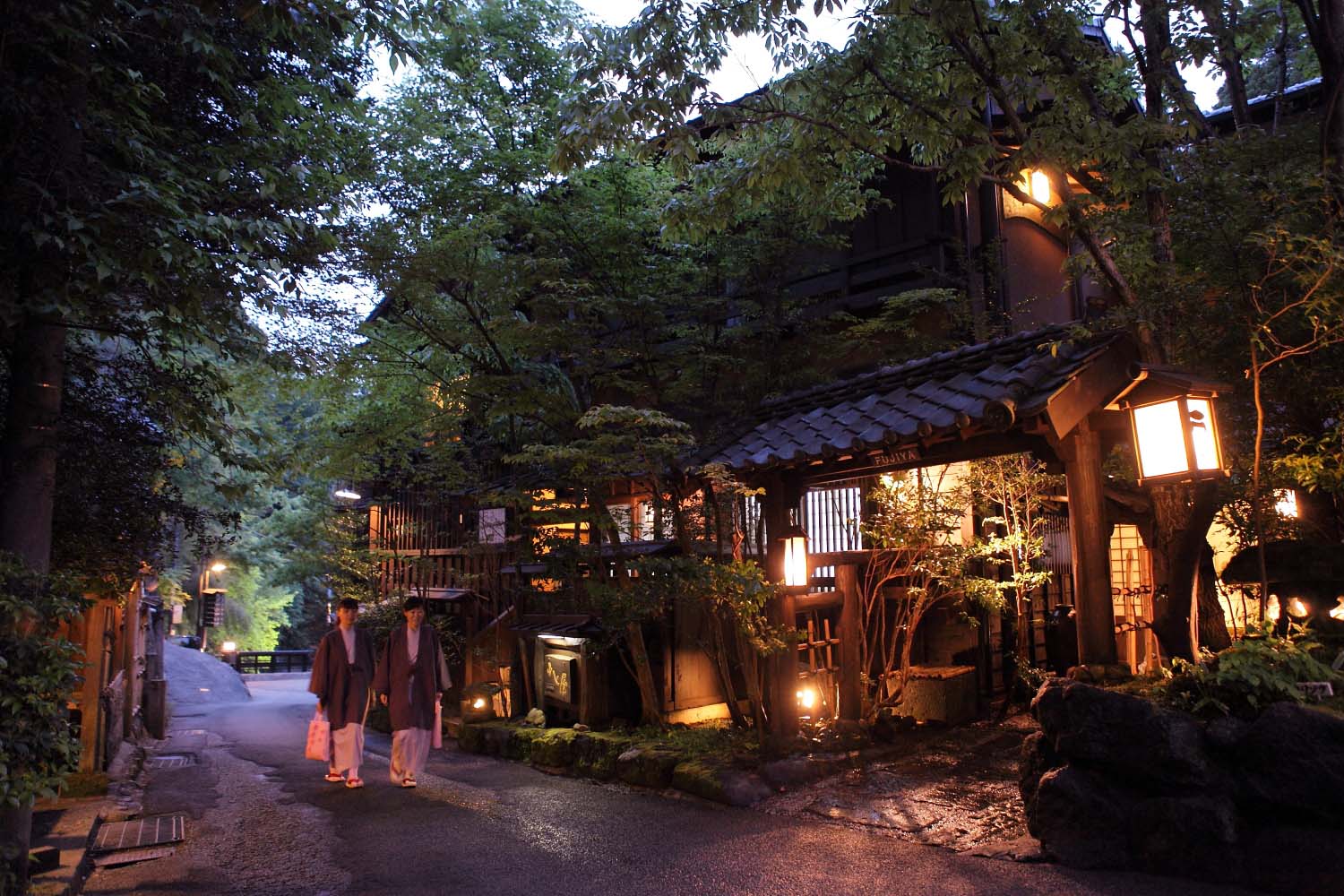
Kurokawa Onsen is an atmospheric hot spring resort in the mountains of Aso with the concept of "the entire town as one ryokan," characterized by unified townscapes. About 20 ryokan line up along the valley, creating scenery with wooden architecture and steam that resembles a fairy tale world. Flashy signs and entertainment facilities are excluded, maintaining a calm atmosphere in harmony with nature.
The famous "hot spring pass" allows you to tour three outdoor baths and enjoy diverse hot springs. Kurokawa Onsen, enveloped in seasonal atmosphere and tranquility, is a famous hot spring popular with travelers seeking healing.
3-5. Unzen Onsen (Nagasaki Prefecture)
(Source: Shimabara Peninsula Official Tourism Site)
Unzen Onsen is a mountain hot spring area located at 700 meters altitude in the center of the Shimabara Peninsula, a renowned hot spring in Nagasaki Prefecture boasting over 1,300 years of history. White steam rises in the hot spring town fragrant with sulfur, allowing you to fully feel the hot spring atmosphere. At the famous spot Unzen Jigoku (Unzen Hell), you can tour about 30 sources and experience powerful steam and natural forces up close.
The spring quality is sulfur springs with high sterilizing action, also popular as beautifying waters. With beautiful seasonal scenery, from spring's Miyama Kirishima azaleas to autumn foliage, it's a hot spring area showing different expressions each season.
3-6. Ureshino Onsen (Saga Prefecture)
(Source: Saga Prefecture Official Tourism Site Asobo-saga)
Ureshino Onsen is one of Japan's three great beautifying hot springs located in western Saga Prefecture, known nationwide as 'beauty waters' with characteristically viscous spring quality. With source temperatures of 85-90°C, the colorless transparent sodium bicarbonate/chloride spring waters gently envelope the skin, leaving it smooth and supple after bathing.
Recorded in the ancient text Hizen no Kuni Fudoki, this historic renowned hot spring was visited by Empress Jingu and Siebold. It prospered as a post town on the Nagasaki Kaido road during the Edo period, and traditional inn districts still retain that atmosphere today. The specialty Onsen Yudofu (hot spring tofu) is a must-try dish when visiting.
3-7. Karatsu Onsen (Saga Prefecture)
(Source: Saga Prefecture Official Tourism Site Asobo-saga)
Karatsu Onsen is a hot spring area springing by the sea in Karatsu City, Saga Prefecture, overlooking the Genkai-nada Sea, a quiet hot spring resort where you can relax while feeling the sea breeze. Waters rich in minerals are said to soften the skin, with many visitors seeking fatigue recovery and relaxation effects.
Tourist attractions like Karatsu Castle and Yobuko Morning Market are nearby, allowing food journeys savoring seafood. At traditional Japanese-style inns fragrant with tatami, you can enjoy heartwarming omotenashi hospitality along with kaiseki cuisine using seasonal ingredients. It's a hot spring area where you can spend luxurious time healed by sea and waters.
3-8. Hirado Onsen (Nagasaki Prefecture)
(Source: Nagasaki Travel Net)
Hirado Onsen is a hot spring area springing in Hirado City, Nagasaki Prefecture, which prospered as Japan's first overseas trading port, cherished as 'beauty waters' with characteristically viscous water touch. The spring quality is sodium bicarbonate springs, said to smooth the skin and be good for neuralgia and burns.
Crossing Hirado Bridge reveals a castle town filled with exotic atmosphere, with historical buildings like the Dutch Trading House and Catholic churches as highlights. Along with hot springs, you can enjoy fresh seafood landed at Hirado Port and cuisine evoking Nanban culture.
3-9. Kirishima Onsen-kyo (Kagoshima Prefecture)
(Source: Kagoshima Prefecture Tourism Site Kagoshima no Tabi)
Kirishima Onsen-kyo is one of Kyushu's premier hot spring areas spreading southwest of the Kirishima Mountain Range, composed of nine hot spring areas large and small including Kirishima Jingu Onsen and Myoken Onsen. Located at altitudes of 600-850 meters, spring quality varieties are abundant including sulfur springs, bicarbonate springs, and chloride springs.
Famous as the setting of the Tenson Kōrin legend with Kirishima-jingu Shrine, it's also known as the place Sakamoto Ryoma and Oryo visited on their honeymoon. Blessed with natural scenery including Maruo Falls and forest therapy roads, you can enjoy seasonal charms from spring's fresh greenery to autumn foliage.
Kirishima Onsen-kyo (Maruo area)
4. The Appeal of DRUM TAO in Kyushu
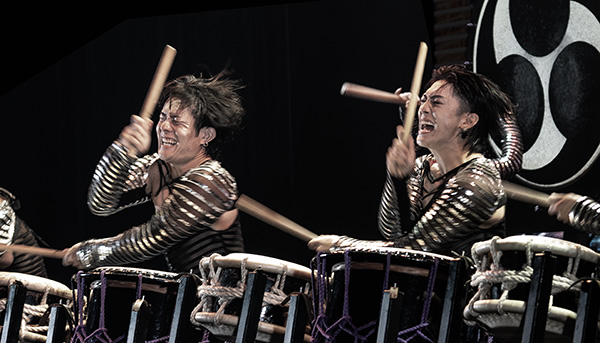
DRUM TAO is an entertainment group captivating the world with overwhelming live performances centered on wadaiko drums. Formed in 1993, they have attracted over 10 million people worldwide. Their stage fusing traditional instruments like wadaiko with modern direction, dance, lighting, and video is truly called 'THE Japanese Entertainment.'
Recording complete sellouts at New York performances and holding shows domestically and internationally including at TAO no Oka in Aso-Kuju National Park, they continue transmitting Japanese culture to the world from their Kyushu base.
4-1. 2026 Schedule
Introducing DRUM TAO’s New Year 2026 performance schedule. For later dates, please check the official website.
Summary
Kyushu is one of Japan's premier tourist regions where magnificent nature, hot springs, and unique culture harmonize. Overflowing with diverse charms including grand natural landscapes like Mount Aso and Sakurajima, hot spring areas known as beautifying waters, Fukuoka cuisine, and Nagasaki's exotic atmosphere. You can enjoy seasonal charms like flowers, autumn foliage, and festivals throughout the four seasons, making it popular with first-time visitors.
Furthermore, known as the region where the globally active wadaiko performance group DRUM TAO is based, you can experience stages fusing tradition and entertainment throughout Kyushu.
※This information is based on details available as of November 2025.