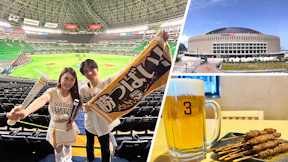
Hakata Dialect Guide: Key Phrases, Unique Expressions & Fukuoka Slang
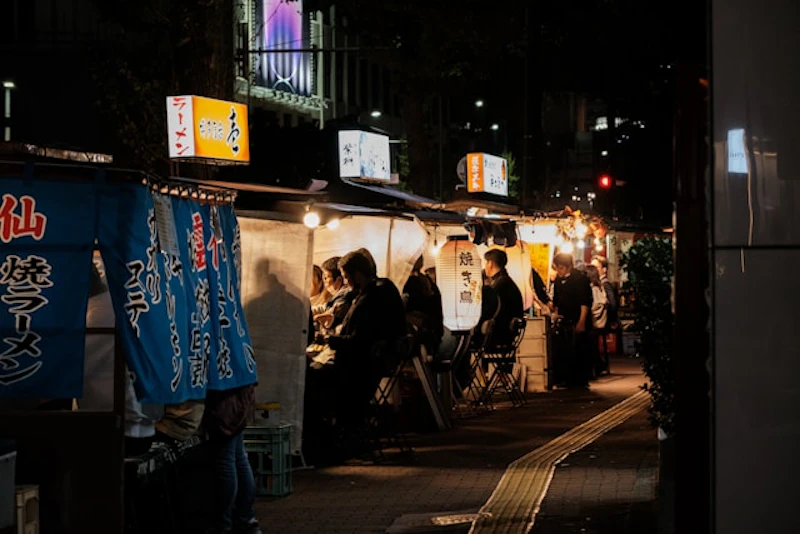


When you listen to local conversations in Fukuoka, you may hear expressions that sound a little different from standard Japanese. The dialect often heard in the Hakata area is called Hakata dialect. It is known for its short sentence endings and distinctive rhythm, and once you understand the meanings, listening becomes much easier.
In this article, we introduce Hakata dialect phrases that are useful for travelers, including sentence endings such as 「~ばい(bai)」, 「~たい(tai)」, 「~けん(ken)」, and 「~と(to)」, the emphatic word 「ばり(bari)」, and handy expressions such as 「うまか(umaka)」 and 「よか(yoka)」, along with example sentences. At the end, we also introduce Japanese works where Hakata dialect appears and share tips for getting used to the sound.
Table of Contents
1. 1. What Is Hakata Dialect?
1-1. Dialects in Fukuoka Prefecture Other Than Hakata Dialect
2. Characteristic Hakata Dialect Expressions and Phrases
2-1. ~や(ya): “It is / I am / This is”
2-2. ~ばい(bai), ~けん(ken), ~たい(tai): “It is / you know”
2-3. ~と?(to?): “Is it? / Did you?”
2-4. ばり~(bari~): “Very / really”
2-5. うまか(umaka): Delicious
2-6. よか(yoka): Good
2-7. ~ば(ba): Object Marker, Similar to “を(wo)”
2-8. ~やけん(yaken): Because / So
3. Japanese Works Where Hakata Dialect Is Often Used
Summary
1. What Is Hakata Dialect?
Hakata dialect is a Japanese dialect often used around Fukuoka City, in the area commonly known as Hakata. In conversation, sentence endings tend to change, and short forms such as 「~と?(to?)」, 「~たい(tai)」, and 「~けん(ken)」 often appear.
Japanese Expression | Pronunciation | Meaning |
|---|---|---|
~と? | to? | Question |
~たい | tai | Feeling or statement |
~けん | ken | Reason |
For travelers, the key point is that the meaning is often decided by the sentence ending, rather than by the word itself. For example, even with the same sentence, if it ends with 「~と?(to?)」, it becomes a question. If it ends with 「~と。(to.)」, it becomes a statement.
Hakata dialect also includes short and easy-to-remember expressions such as 「よか(yoka)」, 「うまか(umaka)」, and 「ばり(bari)」. Knowing what they mean can make it easier to react to conversations you hear in restaurants or around town.
Japanese Expression | Pronunciation | Meaning |
|---|---|---|
よか | yoka | Good, okay |
うまか | umaka | Delicious |
ばり | bari | Very, really |
1-1. Dialects in Fukuoka Prefecture Other Than Hakata Dialect
Hakata dialect is not the only dialect used in Fukuoka Prefecture. The characteristics of local speech vary by region, and the dialects within Fukuoka Prefecture are sometimes explained in four main groups.
Japanese Expression | Pronunciation | Main Area | Features |
|---|---|---|---|
博多弁 | Hakata dialect | Around Fukuoka City | Sentence endings such as 「~と?(to?)」, 「~たい(tai)」, and 「~けん(ken)」 are commonly used. |
北九州弁 | Kitakyushu dialect | Around Kitakyushu City | Sentence endings and expressions are slightly different from the Hakata area. |
筑後弁 | Chikugo dialect | Chikugo area, including Kurume City | Expressions and intonation are different. |
筑豊弁 | Chikuhō dialect | Chikuho area, including Iizuka City | Some expressions may remain connected to the cultural background of coal-mining areas. |
If you are visiting Fukuoka City or the area around Hakata Station, it is helpful to first learn some common Hakata dialect phrases. On the other hand, if you plan to travel toward Kitakyushu or Kurume, knowing that Fukuoka’s dialects are not all the same can make listening to local speech feel less intimidating.
2. Characteristic Hakata Dialect Expressions and Phrases
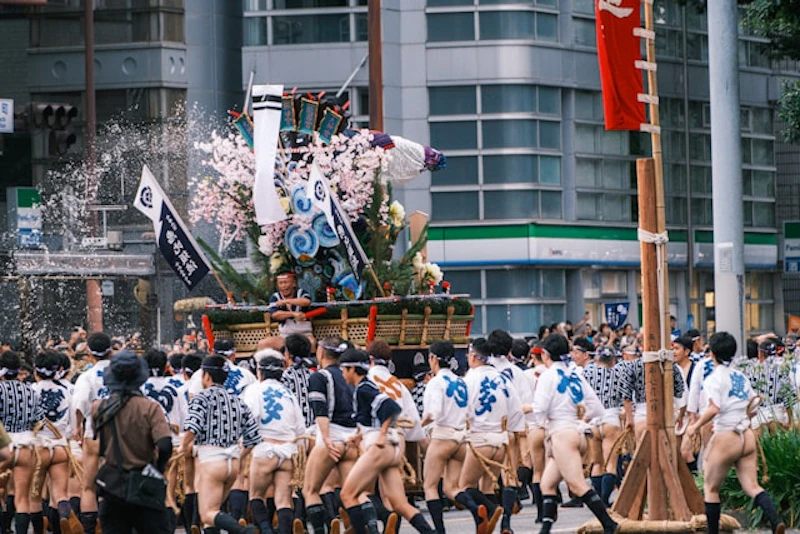
From here, we will look at expressions you are likely to hear while traveling. If you remember each phrase together with its “meaning” and “situation where it is used,” it will be easier to understand conversations. If pronunciation feels difficult, it is fine to first focus on listening and understanding the meaning, then try replying with short responses.
2-1. ~や(ya): “It is / I am / This is”
「~や(ya)」 is a sentence ending close in nuance to “desu,” or “is/am/are.” It gives a soft, casual statement and is often heard in everyday conversation. It is likely to appear when shop staff or friends are stating a fact.
Examples
Japanese Expression | Pronunciation | Meaning |
|---|---|---|
小さかや | chiisakaya | It is small |
今日、休みや | kyo, yasumiya | It is closed today / Today is a day off |
ここ、博多や | koko, Hakataya | This is Hakata |
Travelers do not need to use this expression perfectly themselves. It is enough to remember that when a sentence ends with 「~や(ya)」, it has the feeling of a casual, not-too-formal “desu.”
2-2. ~ばい(bai), ~けん(ken), ~たい(tai): “It is / you know”
These three are a classic Hakata dialect set that is useful to remember. In particular, 「~ばい(bai)」, 「~たい(tai)」, and 「~けん(ken)」 are short, but their meanings are clear.
~ばい(bai): A stronger statement, similar to “you know” or “I’m telling you”
Japanese Expression | Pronunciation | Meaning |
|---|---|---|
もう行くばい | mo iku bai | I’m going now |
それ、好きばい | sore, suki bai | I like that |
~たい(tai): Adds feeling or intention, similar to “you know” or “I mean it”
Japanese Expression | Pronunciation | Meaning |
|---|---|---|
うれしかたい | ureshika tai | I’m happy |
それが良かたい | sore ga yoka tai | That is good |
~けん(ken): Shows a reason, meaning “because / so”
Japanese Expression | Pronunciation | Meaning |
|---|---|---|
雨やけん、行かん | ame ya ken, ikan | I won’t go because it is raining |
時間がなかけん、急ぐ | jikan ga naka ken, isogu | I’m hurrying because there is no time |
When traveling, you can often follow the meaning just by catching the sentence ending. For example, if you hear 「…けん(ken)」, you can understand that the speaker is giving a reason.
2-3. ~と?(to?): “Is it? / Did you?”
「~と?(to?)」 is a question ending. It sounds like “Is it?” or “Did you?” and is used commonly in Hakata.
Examples
Japanese Expression | Pronunciation | Meaning |
|---|---|---|
どこ行くと? | doko iku to? | Where are you going? |
もう食べたと? | mo tabeta to? | Did you already eat? |
これでよかと? | kore de yoka to? | Is this okay? |
When someone asks you a question ending in 「~と?(to?)」, a short reply such as “yes,” “not yet,” or “from now” is enough to keep the conversation going.
2-4. ばり~(bari~): “Very / really”
「ばり(bari)」 is used for emphasis, meaning “very” or “really,” and is placed before an adjective. It is useful to remember it as 「ばり(bari) + adjective」.
Examples
Japanese Expression | Pronunciation | Meaning |
|---|---|---|
ばり暑か | bari atsuka | Very hot |
ばり近か | bari chikaka | Very close |
ばり楽しか | bari tanoshika | Very fun |
If you hear something like 「ばりうまか!(bari umaka!)」 at a restaurant, you can understand it as a strongly positive comment.
2-5. うまか(umaka): Delicious
「うまか(umaka)」 means “delicious.” It is often used in situations involving food.
Examples
Japanese Expression | Pronunciation | Meaning |
|---|---|---|
このラーメン、うまか | kono ramen, umaka | This ramen is delicious |
それ、ばりうまか | sore, bari umaka | That is really delicious |
うまかった? | umakatta? | Was it delicious? ※Some people may say it in a form closer to standard Japanese |
As a reply, simply smiling and saying 「うまか!(umaka!)」 can make the atmosphere feel friendly. If you are unsure about the pronunciation, saying “oishii!” is also perfectly fine.
2-6. よか(yoka): Good
「よか(yoka)」 is a useful word with a wide range of meanings, such as “good,” “okay,” or “all right.” It can also be used when you want to say OK to someone’s suggestion.
Examples
Japanese Expression | Pronunciation | Meaning |
|---|---|---|
ここでよか? | koko de yoka? | Is here okay? |
よかよ | yoka yo | That’s okay / Sure |
それでよか | sore de yoka | That is fine |
For travelers, remembering 「よかよ(yoka yo)」 when someone accepts your request can make listening easier.
2-7. ~ば(ba): Object Marker, Similar to “を(wo)”
「~ば(ba)」 is a particle that works similarly to “を(wo),” the object marker in standard Japanese. When it appears in conversation, it becomes easier to understand what the speaker is referring to. However, the way it appears can vary depending on the region or speaking style, so it is helpful to first understand it as a signal for “the object of the action.”
Examples
Japanese Expression | Pronunciation | Meaning |
|---|---|---|
これば食べてみて | kore ba tabete mite | Try eating this |
水ばください | mizu ba kudasai | Please give me water |
それば持ってきて | sore ba motte kite | Please bring that |
When ordering at a restaurant, standard Japanese expressions such as 「〜をください(wo kudasai)」 are enough to be understood. Knowing 「~ば(ba)」 is useful mainly for listening.
2-8. ~やけん(yaken): Because / So
「~やけん(yaken)」 means “because” or “so.” It is often used when giving a reason.
Examples
Japanese Expression | Pronunciation | Meaning |
|---|---|---|
明日早いけん、もう帰る | ashita hayai ken, mo kaeru | I have an early start tomorrow, so I’m going home now |
今日は雨やけん、室内に行こう | kyo wa ame yaken, shitsunai ni iko | It’s raining today, so let’s go indoors |
福岡が好きやけん、また来た | Fukuoka ga suki yaken, mata kita | I like Fukuoka, so I came again |
In conversation, 「やけん(yaken)」 is often followed by a reason, so it becomes easier to understand that the speaker is explaining why.
3. Japanese Works Where Hakata Dialect Is Often Used
If you want to get used to Hakata dialect by listening, using Japanese films, dramas, or anime can be helpful. Watching with subtitles makes it easier to connect the sounds with their meanings.
Seishun no Mon
・This work is known as a story set in the Chikuho area of Fukuoka. It lets you experience the local language and atmosphere. It may also be scheduled for TV broadcasts from time to time.
Namiuchigiwa no Muromi-san
・This is a comedy work featuring a mermaid named 「むろみさん(Muromi-san)」, who speaks Hakata dialect. Since the conversations move quickly, it is also useful for practicing how to catch short sentence endings such as 「~と?(to?)」.
Summary
Hakata dialect is a dialect often heard in the Hakata area of Fukuoka Prefecture. For travelers, listening becomes easier if you focus on the meanings of sentence endings rather than trying to memorize many individual words. For example, it helps to remember that 「~と?(to?)」 is used for questions, 「~けん(ken)」 and 「~やけん(yaken)」 show reasons, and 「~ばい(bai)」 and 「~たい(tai)」 are sentence endings used for statements or feelings.
In addition, 「ばり(bari)」, 「うまか(umaka)」, and 「よか(yoka)」 are used often, so it is a good idea to start with these three expressions. By getting used to the sound through conversations in Japanese works and trying short replies when you are in Fukuoka, communicating with local people can become even more enjoyable.
※This article was created based on information as of April 2026