
RISE Kickboxing Spectator Guide | Rules, Event Info & Access RISE Kickboxing Spectator Guide | Rules, Event Info & Access
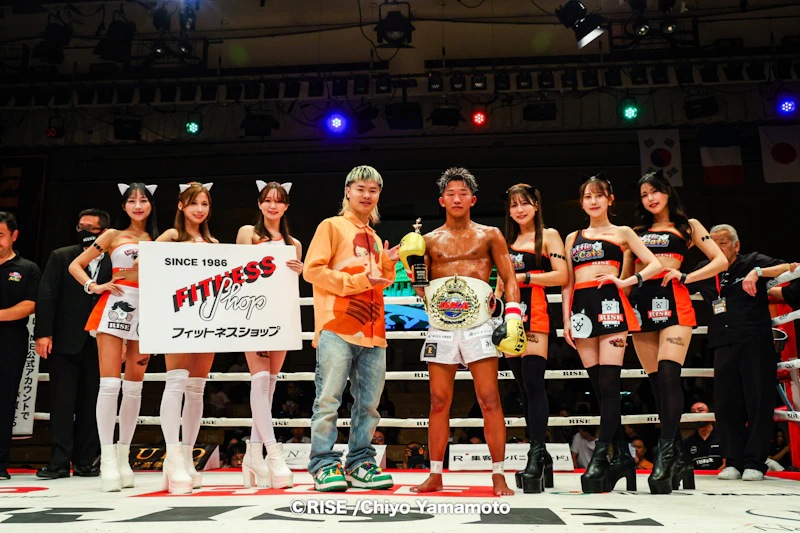
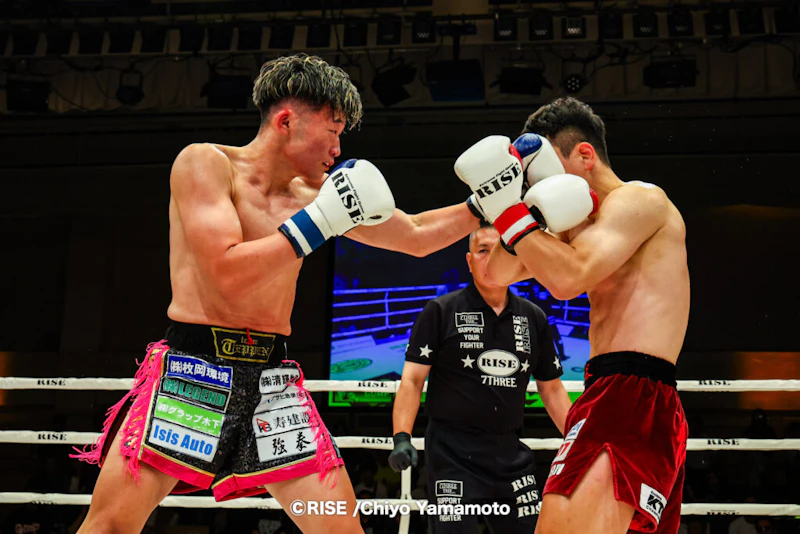
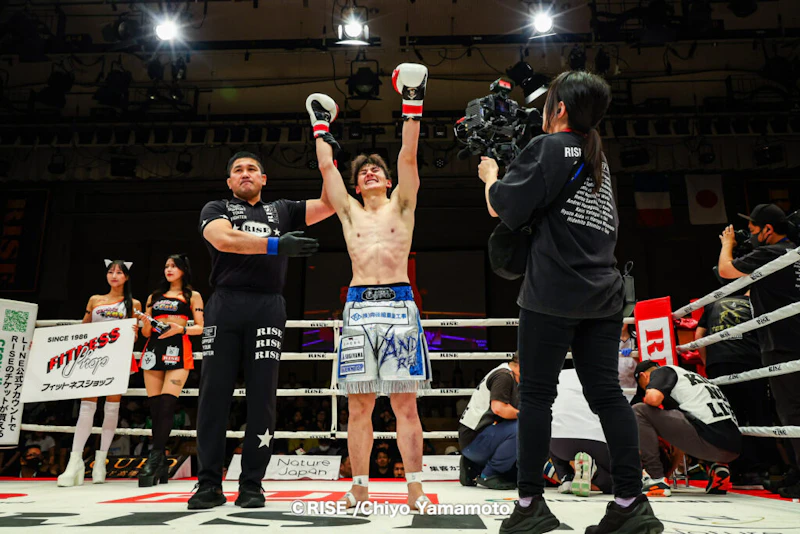


For those looking to enjoy a live sporting event during their trip to Japan, here is a spectator's guide to RISE, a kickboxing organization. RISE is known for its fast-paced, high-impact striking action, and its main venue is Korakuen Hall in Tokyo. This article covers everything you need to know: what makes RISE unique, its rules, the organization's history, the 2026 event schedule, how to get to Korakuen Hall, and nearby restaurants. Read on to prepare yourself for an exciting RISE kickboxing experience during your visit to Japan.
Table of Contents
1. What Is RISE Kickboxing?
2. RISE Rules
3. History of RISE
4. RISE 2026 Event Information
4-1. RISE201 (8/29)
4-2. RISE202 (10/17)
4-3. RISE203 (11/8)
5. Access and General Information for Korakuen Hall
6. Restaurants Near Korakuen Hall
Summary
1. What Is RISE Kickboxing?
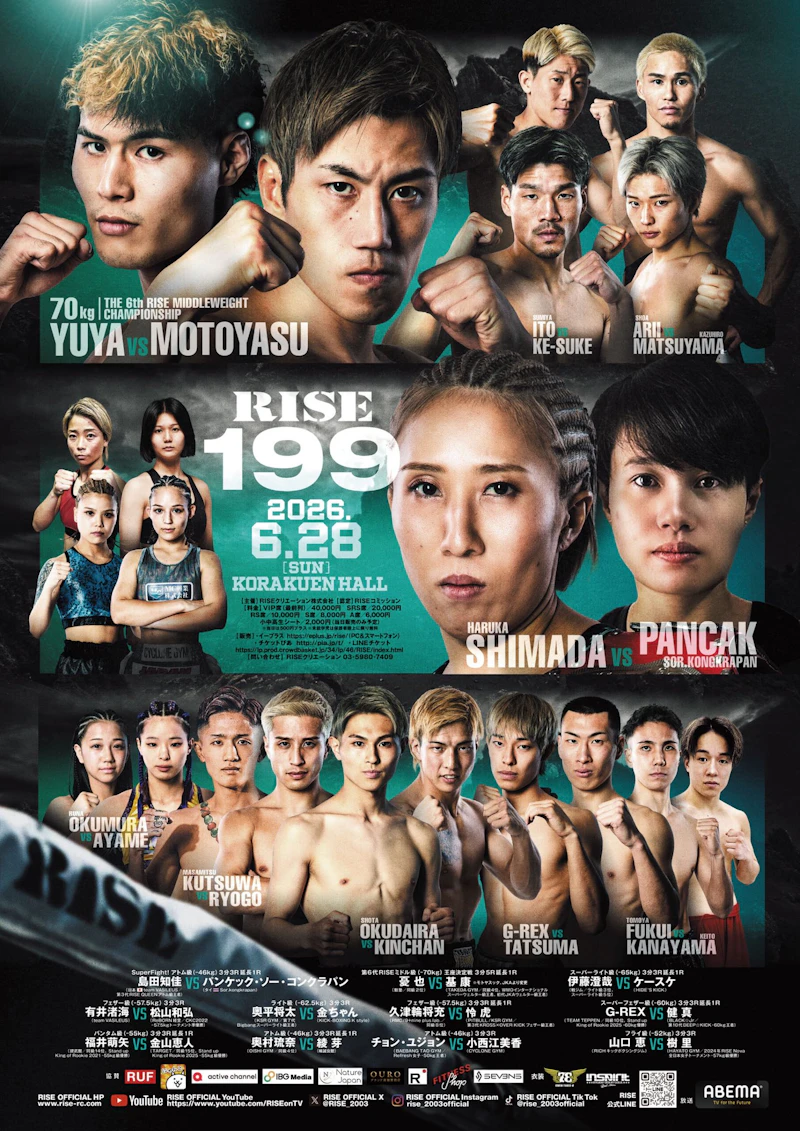
(Source: X "@RISE_2003" / https://x.com/RISE_2003/status/2071222942181036444)
RISE is a Japanese standing striking martial arts organization founded in 2003. The name embodies the spirit of "rising up and aiming higher." Built on the concepts of speed and aggression, the organization gathers top fighters from Japan and around the world to hold competitions determining who is the strongest. Its central venue is Korakuen Hall in Tokyo, widely regarded as a sacred ground for combat sports. RISE features a wide range of weight classes, from featherweight to lightweight and beyond, and has hosted numerous bouts between Japanese and international fighters.
RISE also hosts an international tournament called the "RISE WORLD SERIES," bringing in top overseas competitors for world-class matchups. The highlight of every event is the rapid-fire exchange of strikes and the tactical interplay between fighters. Even without prior knowledge of combat sports, the sheer intensity of the action makes for a thrilling watch.
2. RISE Rules
(Source: X "@RISE_2003" / https://x.com/RISE_2003/status/2066751493546643681)
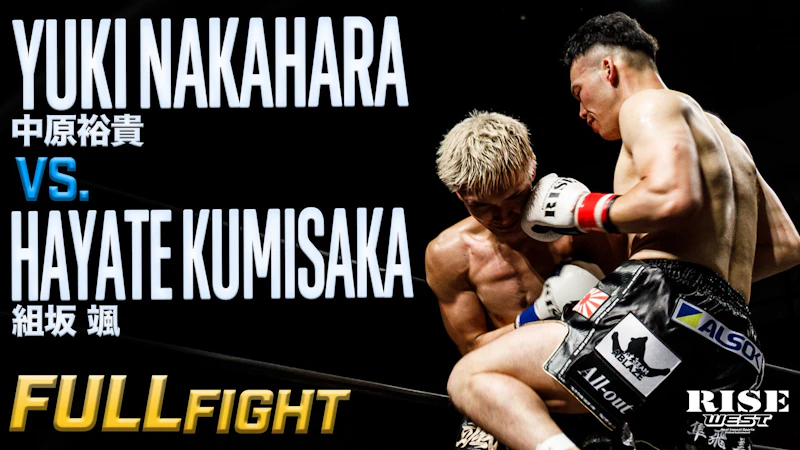
In RISE bouts, there are three permitted types of attacks: punches, kicks, and knee strikes. Knee strikes while clinching (holding) an opponent are allowed, but only one strike at a time. Techniques such as the neck clinch (a close-range grappling technique used in Muay Thai) and prolonged holds are prohibited, making standing strikes the sole means of determining the outcome. Prohibited actions are also clearly defined. Elbow strikes, headbutts, throws, joint locks, groin attacks, and punches to the back of the head are all fouls. Attacking a downed opponent or grabbing the ropes is also not permitted.
As for bout duration, single matches are contested over three rounds of three minutes each, with an option for one additional extension round. Title matches are five rounds of three minutes, with an extension round if no decision is reached. Tournament bouts are three rounds of three minutes with one extension round, except for finals, which may be extended by up to two rounds. Note that individual rules may vary depending on the event or specific bout.
The rest period between rounds is set at 60 seconds. The outcome is judged based on, in order of priority: knockdowns, damage sustained, accuracy of strikes, aggression, and ring generalship. Because neck clinching and prolonged holds are prohibited, the action is rarely interrupted, allowing spectators to enjoy the striking exchanges from start to finish. The straightforward ruleset also makes it easy for first-time attendees to follow the flow of a bout.
3. History of RISE
(Source: X "@RISE_2003" / https://x.com/RISE_2003/status/2057297507022217392)
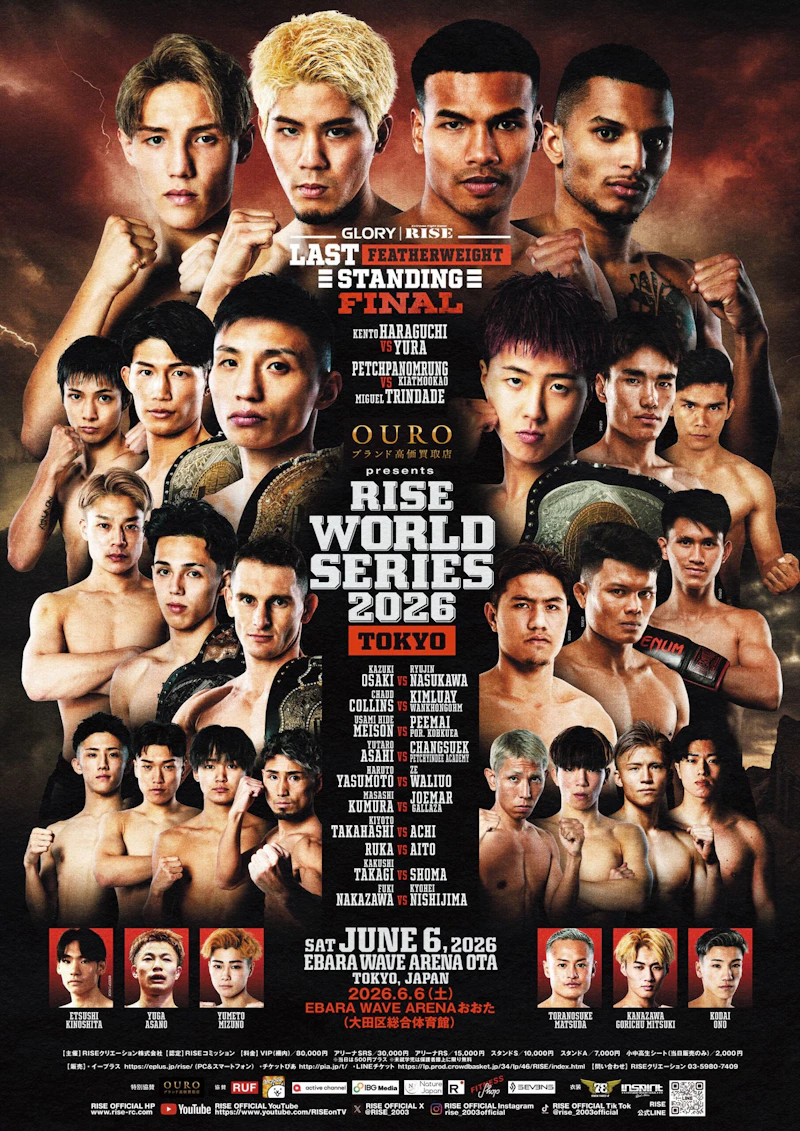
The history of RISE began on February 23, 2003. The inaugural event, "R.I.S.E. 1st," was held at Gold's Gym South Tokyo Annex in Omori, Tokyo. The original name stood for "REAL IMPACT SPORTS ENTERTAINMENT," with dots placed between each letter of the acronym.
In 2008, the organization transitioned from a tournament format to a title-match system where championships were contested on a bout-by-bout basis. The following year, in 2009, a new bantamweight class was added, and the dots were dropped from the organization's name. In 2014, "RISE WEST" was launched in Fukuoka, expanding the organization's reach beyond the Tokyo area.
In 2023, RISE held a special event at Korakuen Hall to celebrate its 20th anniversary. For over two decades, RISE has been one of the pillars of Japan's kickboxing scene.
4. RISE 2026 Event Information
(Source: RISE / https://rise-rc.com/event/201/)
RISE will again hold events at Korakuen Hall in Tokyo in 2026. Here, we introduce three upcoming events taking place at the venue. Check the dates and matchups, and consider planning your trip around one of these shows.
4-1. RISE201 (8/29)
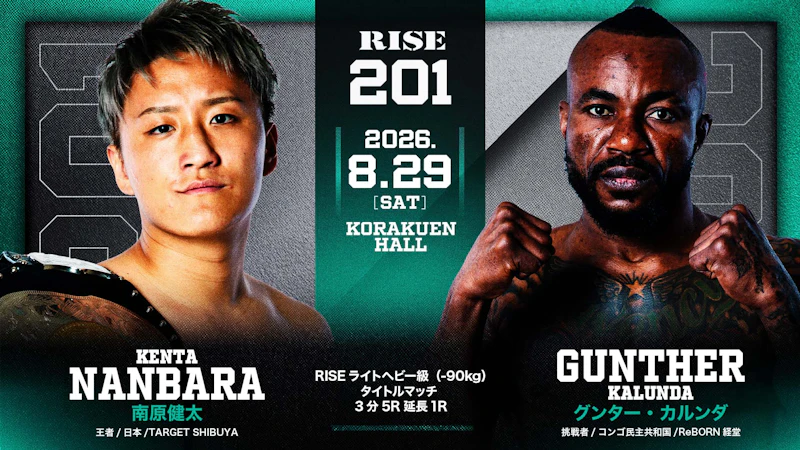
RISE201 will be held on Saturday, August 29, 2026, at Korakuen Hall. Doors open at 5:00 PM, with the first bout scheduled to begin at 5:15 PM. The headline matchup already announced is a RISE Light Heavyweight title fight. Champion Kenta Minamihara will defend his belt against challenger Gunther Kalunda, who hails from the Democratic Republic of the Congo.
Kalunda brings impressive credentials to the fight, having previously captured a heavyweight title in another organization. This clash between two elite fighters is the marquee attraction of the event. At Korakuen Hall, the ring is close to the audience, putting you right in the middle of the action — you can hear every strike and feel the energy of the crowd up close. The bout will be contested over five rounds of three minutes.
Ticket sale details are currently being finalized. For the latest information on sale dates and how to purchase tickets, check the official RISE website. Popular matchups tend to sell out quickly, so it is advisable to buy your tickets as soon as they become available.
4-2. RISE202 (10/17)
RISE202 will be held on Saturday, October 17, 2026, at Korakuen Hall. As of early July 2026, details such as matchups have not yet been announced. The fighter lineup and bout order will be released on the official website on a rolling basis. Travelers considering attending are encouraged to check for updates regularly to stay informed.
4-3. RISE203 (11/8)
RISE203 is scheduled for Sunday, November 8, 2026, at Korakuen Hall. Like RISE202, matchup details had not been announced as of early July 2026. If you are planning a trip to Japan in the autumn or early winter and would like to attend, be sure to lock in your travel dates early. Keep an eye on the official website for further announcements.
5. Access and General Information for Korakuen Hall
(Source: Tokyo Dome City / https://www.tokyo-dome.co.jp/hall/)
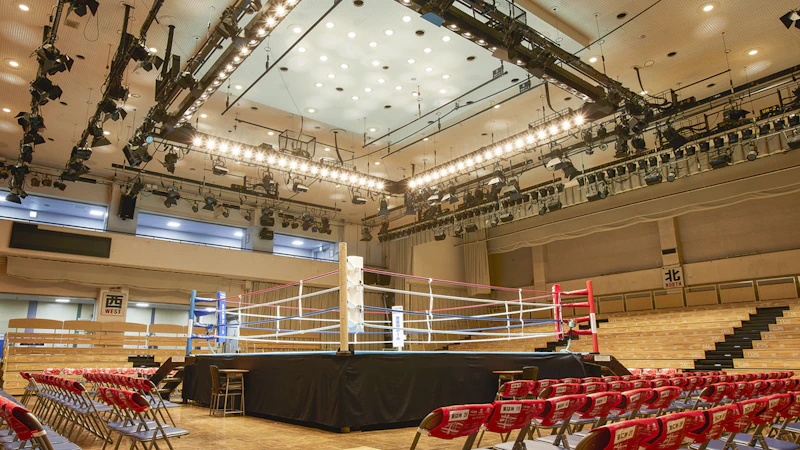
Korakuen Hall is located on the 5th floor of the Korakuen Hall Building at 1-3-61 Koraku, Bunkyo City, Tokyo. It is accessible via multiple JR and subway lines, making it easy to incorporate into a broader sightseeing itinerary in the city.
The nearest stations are: West Exit of Suidobashi Station on the JR Chuo-Sobu Line; Exit A2 of Suidobashi Station on the Toei Mita Line; Exit 2 of Korakuen Station on the Tokyo Metro Marunouchi Line and Namboku Line; and Exit 6 of Kasuga Station on the Toei Oedo Line. It is a good idea to identify which exit is closest to you based on the line you plan to take before heading out.
Since opening in 1962, Korakuen Hall has hosted countless boxing, professional wrestling, and martial arts events. Its legacy of iconic bouts has earned it the title of "sacred ground of combat sports." One of its greatest appeals is the intimate atmosphere — the seating is relatively close to the ring, allowing you to see every move, hear every impact, and feel the heat of the crowd in a way that larger arenas simply cannot match.
6. Restaurants Near Korakuen Hall
(Source: X "@FNF0415" / https://x.com/FNF0415/status/1993167313600921774)
Before or after the event, you can enjoy a meal at one of the many restaurants near Korakuen Hall. Tokyo Dome City, where the venue is located, is home to a diverse range of dining options. Here are three recommended spots.
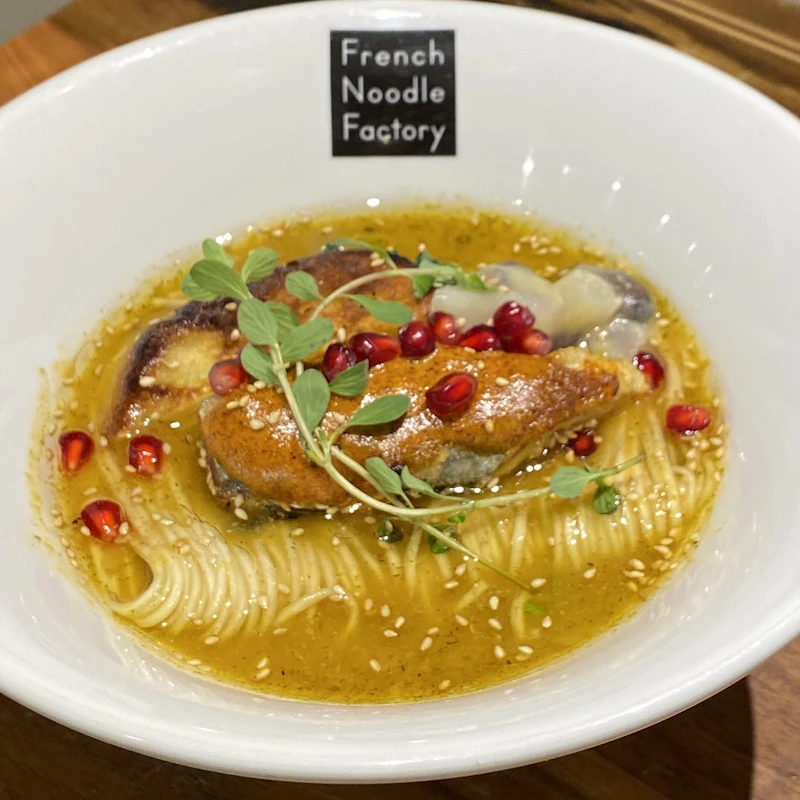
・French Noodle Factory French Noodle Factory is a restaurant that combines French culinary techniques with ramen, featuring a broth based on lobster. It is a sister restaurant of Ebimaru Ramen, a specialist lobster ramen shop, and serves ramen crafted with French cooking methods. The perfect post-event bowl can be found inside Tokyo Dome LaQua (a shopping and dining complex adjacent to Tokyo Dome). ・Nihonbashi Tamai, Tokyo Dome LaQua Branch Nihonbashi Tamai is a restaurant specializing in anago (saltwater eel) dishes. Its signature dish is the "Hakomeshi," a box-style rice dish topped with gently simmered anago, and the anago tempura rice bowl is equally popular. With approximately 29 seats, it offers a cozy, intimate dining experience. Located on the first floor of the LaQua Building, it is a great choice for travelers seeking an authentic taste of Japanese cuisine. Nihonbashi Tamai, Tokyo Dome LaQua Branch ・Gyubei Souan, Tokyo Dome Hotel Branch Gyubei Souan is a yakiniku (Japanese barbecue) restaurant serving Yamagata beef, a premium brand of beef from Yamagata Prefecture. The restaurant purchases whole cattle directly from contracted farms, ensuring access to rare cuts. All seats are equipped with smokeless grills, and private dining rooms are also available. Located on the second floor of the Tokyo Dome Hotel, it is an ideal choice for a special occasion dinner. |
Summary
RISE is a kickboxing organization known for its fast-paced, high-impact striking action. In 2026, several events will be held at Korakuen Hall in Tokyo, starting with RISE201 on August 29. The venue is conveniently located just a five-minute walk from nearby stations, and there are plenty of dining options in the surrounding area. As long as you understand the basics of what to look out for, even first-time attendees are sure to have a great time. Make a lasting memory of your trip to Japan by experiencing the excitement of a live RISE bout in person.
※The information in this article is based on data available as of July 2026.