How to Get to BELLUNA DOME: Transportation & Directions
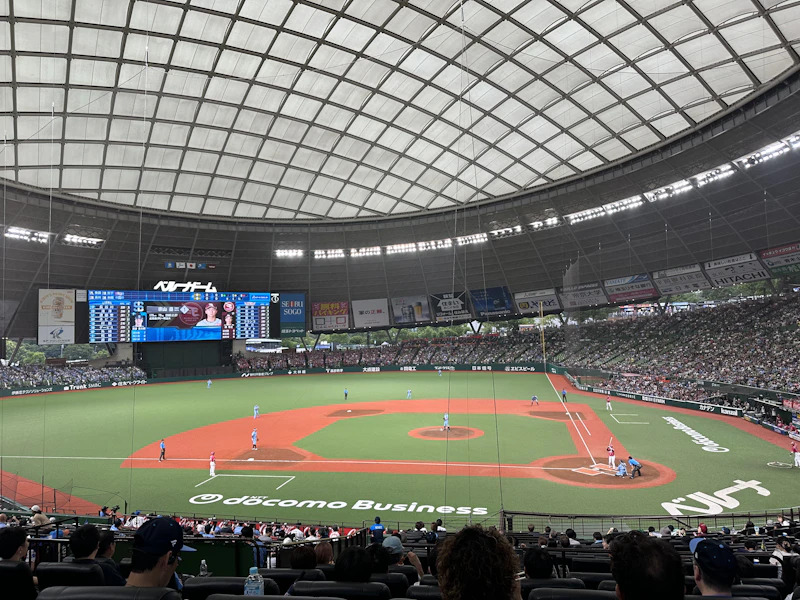


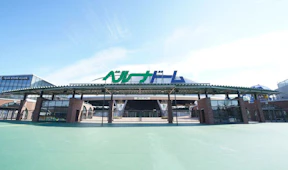
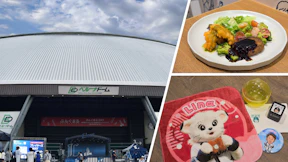
Belluna Dome is a domed baseball stadium located in Tokorozawa City, Saitama Prefecture. Surrounded by the nature-rich Sayama Hills, the dome is situated in a lush green environment. Even on days when there are no baseball games, visitors can enjoy the adjacent amusement park and hot spring facilities, making it a recommended destination for families and tourists.
However, some people coming from overseas may not know how to take trains to get to Belluna Dome or what other transportation options are available.
This article provides detailed explanations on how to get to Belluna Dome by transferring between trains and buses after arriving in Tokyo by shinkansen or airplane.
Table of Contents
1. What is Belluna Dome?
2. Transportation to Belluna Dome
2-1. Train
2-2. Bus
2-3. Car
3. Public Transportation from Distant Areas to Belluna Dome
3-1. Shinkansen
3-2. Airplane
4. Recommended Spots Around Belluna Dome
4-1. Seibuen Amusement Park
4-2. Sayama Fudoji Temple
4-3. Sayama Hills Wildlife Interaction Center
4-4. Sayama Ski Resort
4-5. Tokorozawa Aviation Memorial Park
4-6. Tokorozawa Onsen Yuraku no Sato
Summary
1. What is Belluna Dome?
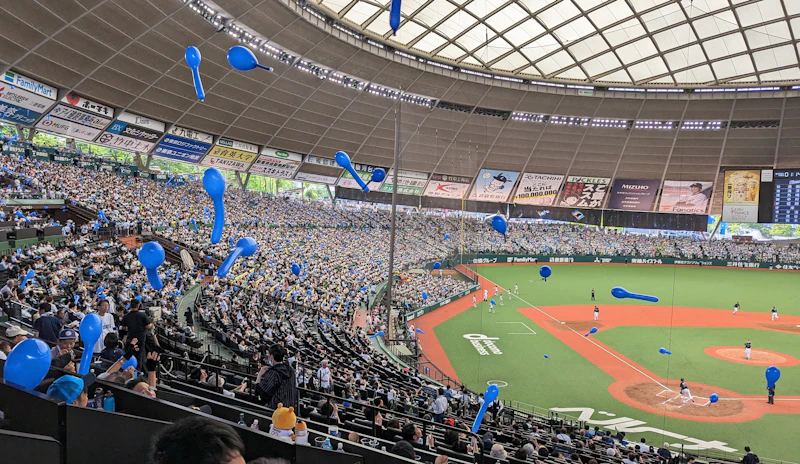
Belluna Dome is a domed baseball stadium located in Tokorozawa City, Saitama Prefecture. It serves as the home stadium for the professional baseball team "Saitama Seibu Lions." Belluna Dome is situated in a location surrounded by the rich nature of the Sayama Hills and was constructed to coexist harmoniously with nature.
Belluna Dome was born in 1979 under the name "Seibu Lions Stadium." Previously, there was a stadium called "Seibuen Stadium" at this location, which was used for amateur baseball and other purposes. Seibuen Stadium was renovated with reference to America's Dodger Stadium and was reborn as a modern stadium.
Later, dome construction was completed in 1999, and it made a fresh start as "Seibu Dome." The world's first construction method at the time was used to add a roof to an existing stadium, attracting attention as a unique domed stadium with an intermediate space between indoor and outdoor environments. This made it possible to enjoy baseball games regardless of weather conditions, and various events began to be held throughout the year. After several name changes, it went through Invoice Seibu Dome, Goodwill Dome, Seibu Prince Dome, and MetLife Dome before becoming the current Belluna Dome.
Around Belluna Dome, there are facilities such as Seibuen Amusement Park and hot spring facilities that can be enjoyed together with baseball games.
2. Transportation to Belluna Dome
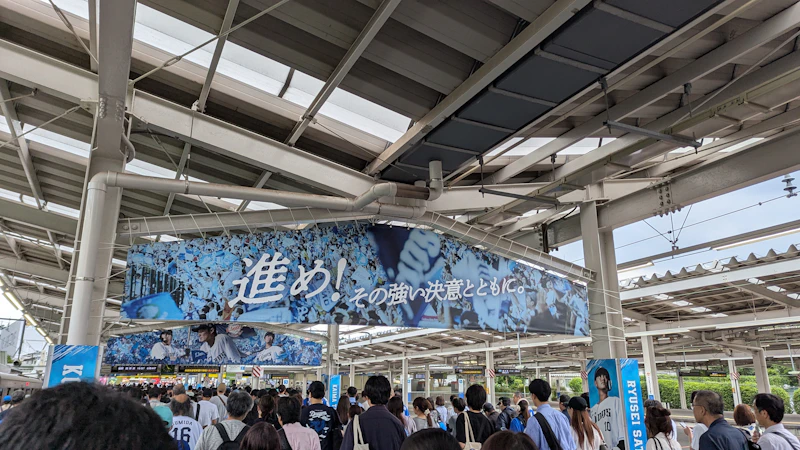
The nearest station to Belluna Dome is "Seibukyujo-mae" Station. The Sayama Line and Yamaguchi Line (Leo Liner) of Seibu Railway serve this station, which is located right in front of Belluna Dome.
Getting to Belluna Dome is generally done by train, bus, or car. Here, we'll explain each transportation method.
2-1. Train
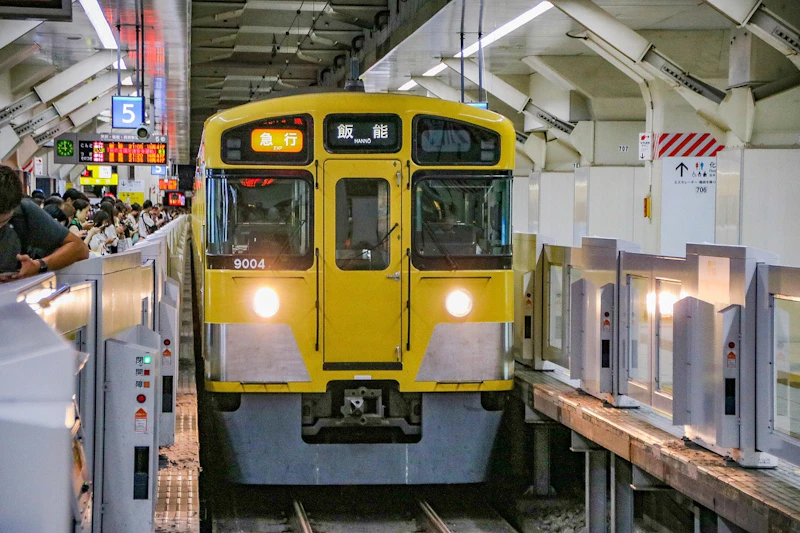
Seibukyujo-mae Station is located in Kamiyamaguchi, Tokorozawa City, Saitama Prefecture, and is the southernmost regular railway station in Saitama Prefecture. As the station name suggests, it is a station specialized for access to Belluna Dome (formerly Seibu Dome).
From Seibukyujo-mae Station, you can reach Belluna Dome on foot in just a few minutes, making it extremely convenient for baseball games and event attendance. Around Seibukyujo-mae Station, there are also Lions merchandise shops and restaurants, allowing you to enjoy the area even before games.
The basic routes to get to Seibukyujo-mae Station by train from various stations are as follows:
Tokyo Station |
|---|
Travel time is approximately 1 hour and 15 minutes, with a fare of 600 yen. |
Ikebukuro Station |
|---|
When going from Ikebukuro Station, also take the Seibu Ikebukuro Line to Nishi-Tokorozawa Station, transfer to the Seibu Sayama Line at Nishi-Tokorozawa Station, and get off at Seibukyujo-mae Station. Travel time is approximately 50 minutes with a fare of 390 yen. |
Shinjuku Station |
|---|
When going from Shinjuku Station, first head to Ikebukuro Station. From Shinjuku Station to Ikebukuro Station takes about 6 minutes on the JR Yamanote Line with a fare of 170 yen. After that, refer to the method for getting from Ikebukuro Station to Seibukyujo-mae Station. |
Shibuya Station |
|---|
When going from Shibuya Station to Belluna Dome, also first head to Ikebukuro Station. From Shibuya Station to Ikebukuro Station, take the JR Shonan-Shinjuku Line or Yamanote Line, taking about 10-15 minutes with a fare of 180 yen. |
Omiya Station |
|---|
When going from Omiya Station, another major station in the same Saitama Prefecture, to Belluna Dome, also transfer to the Seibu Line at Ikebukuro Station. From Omiya Station to Ikebukuro Station, the JR Saikyo Line is convenient. From Omiya Station to Ikebukuro Station takes approximately 30 minutes with a fare of 410 yen. |
2-2. Bus
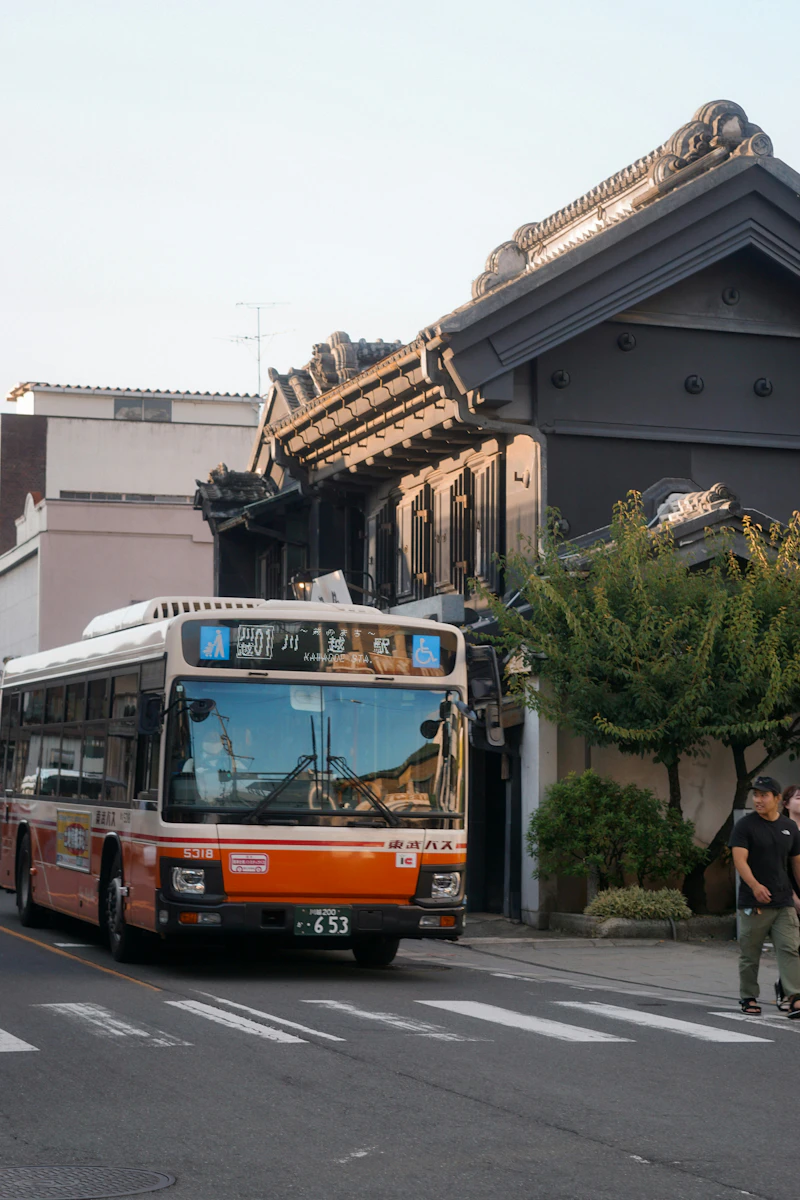
There is also a method of taking a bus to get to Belluna Dome. However, buses only operate on Saturdays, Sundays, and holidays when Saitama Seibu Lions first-team official games are held at Belluna Dome. Please note that they are not always available.
You can get to Belluna Dome (Seibukyujo-mae) by bus from three locations: Tachikawa Station North Exit, Tamagawa-Josui Station, and Kamikitadai Station, with services timed to match game start times. For example, for games starting at 1:00 PM, the first buses from each station begin operating from around 9:00 AM, with multiple services running thereafter. Similar schedules apply for games starting at 2:00 PM, 5:00 PM, and 6:00 PM.
Fares are 190 yen cash from Kamikitadai Station to Seibukyujo-mae, 210 yen cash from Tamagawa-Josui Station, and 350 yen cash from Tachikawa Station North Exit. Child fares are half of each fare. IC transportation cards (PASMO, Suica) can be used, but IC commuter passes and day passes cannot be used.
2-3. Car
When going to Belluna Dome by car, access from each direction is as follows:
|
Additionally, Belluna Dome has multiple parking lots available. The main parking lots are Blue Parking, Red Parking, and Green Parking.
For example, Blue Parking can accommodate 200 regular cars and large vehicles, with a daily rate of 2,000 yen for regular cars.
3. Public Transportation from Distant Areas to Belluna Dome
When going to Belluna Dome from distant areas, you come to Tokyo by shinkansen or airplane first, then head to Belluna Dome. Here, we'll explain methods for getting to Belluna Dome via Tokyo from various locations.
3-1. Shinkansen
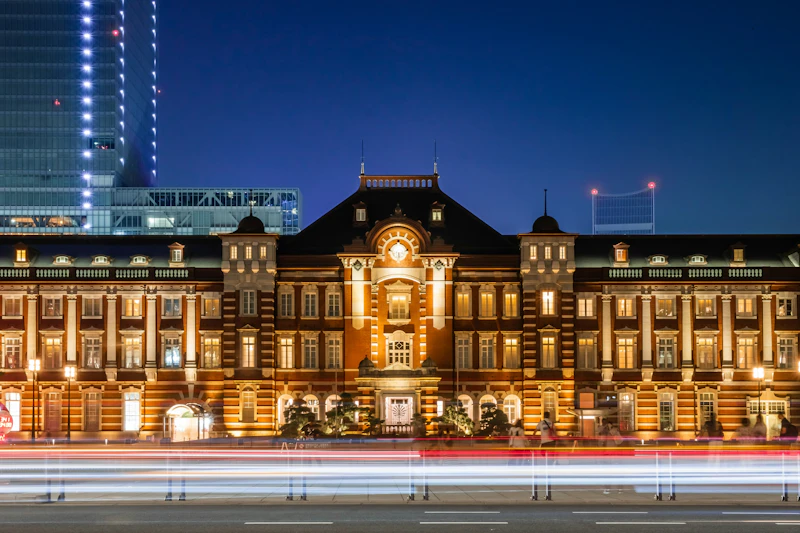
Japan's shinkansen is a high-speed railway network connecting major cities from Hokkaido to Kyushu, characterized by comfort and punctual operation. International travelers can also use it with confidence.
From various parts of Japan to Tokyo Station, the following shinkansen lines are available:
|
Tokyo Station is a terminal station at the center of Japan's railway network, with many lines connecting to it. Access from Tokyo Station to Belluna Dome is as described above.
3-2. Airplane
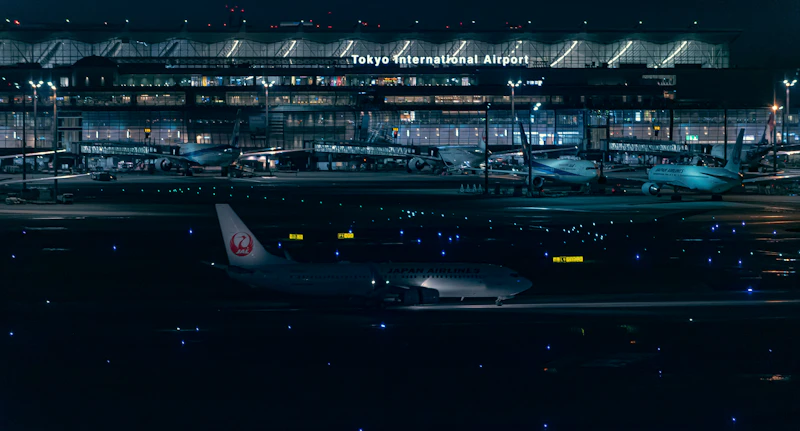
For access from Haneda Airport (HND) to Belluna Dome, taking a limousine bus to Ikebukuro Station is convenient. By train, go from Haneda Airport Terminal 1 & 2 Station via Keikyu Airport Line Airport Express or Tokyo Monorail Airport Express to Shinagawa Station or Hamamatsucho Station. From Shinagawa Station, take the JR Yamanote Line, and from Hamamatsucho Station, take the JR Yamanote Line or JR Keihin-Tohoku Line to Ikebukuro Station. From Ikebukuro Station, use the Seibu Line to get to Belluna Dome.
Tokyo International Airport (Haneda Airport)
For access from Narita Airport (NRT) to Belluna Dome, taking a limousine bus to Ikebukuro Station is also convenient. By train, take the Keisei Narita Airport Line from Narita Airport to Nippori Station. From Nippori, you can access Ikebukuro Station via the JR Yamanote Line, then use the Seibu Line.
4. Recommended Spots Around Belluna Dome
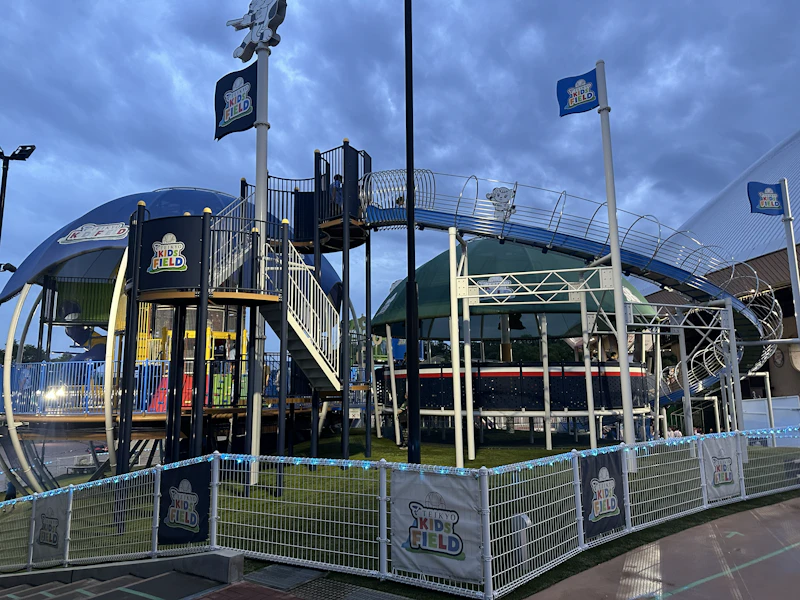
Around Belluna Dome, there are spots scattered throughout where you can enjoy sightseeing and leisure activities.
Within walking distance, "Seibuen Amusement Park" is a popular amusement park with a Showa retro theme that's well-received by families. For those interested in history, Sayama Fudoji Temple, said to have been founded in the Kamakura period, is also recommended. Furthermore, you can choose seasonal enjoyment options such as the Sayama Hills Wildlife Interaction Center where you can observe nature, and Sayama Ski Resort which operates during winter only.
By visiting these attractions along with sightseeing, you can enjoy the Tokorozawa area more deeply. Here, we introduce recommended spots around Belluna Dome.
4-1. Seibuen Amusement Park
Seibuen Amusement Park is a leisure facility themed around "a world enveloped in heartwarming happiness." In "Yuhi-no-oka Shopping Street," which recreates Japanese streetscapes from the 1960s, visitors can experience the lifestyle culture and heartfelt hospitality of that era.
Live performances and interactive shows are held regularly throughout the park, allowing visitors to enjoy being part of the story. With attractions ranging from thrill rides to family-friendly options, people of all generations can enjoy themselves.
4-2. Sayama Fudoji Temple
Sayama Fudoji Temple is a temple located in a nature-rich environment surrounded by Lake Sayama and the Sayama Hills. Within the temple grounds, nationally designated important cultural properties such as Chokugaku-mon Gate, Onari-mon Gate, and Choji-mon Gate, which originated from Tokugawa Hidetada's mausoleum, have been relocated and preserved. These are all precious cultural properties that convey early Edo period architectural styles, including gates built in Kan'ei 9 (1632) and other historically valuable structures.
Additionally, there is the Second Tahoto Pagoda built during the Muromachi period, allowing visitors to observe the evolution of Japanese architecture all at once. The harmony of seasonal nature and solemn architecture creates a spot where you can quietly experience Japanese culture.
4-3. Sayama Hills Wildlife Interaction Center
The Sayama Hills Wildlife Interaction Center is a public facility aimed at nature observation and environmental education. The facility includes exhibition rooms, observation balconies, and lecture rooms, while the surrounding hills feature five observation areas: "Waterfowl Paradise," "Insect Forest," "Wetland Plants Village," "Mixed Forest," and "Butterfly Forest." Visitors can observe wild birds, insects, and seasonal plants up close while learning about the importance of nature.
Accessible by about a 15-minute walk from Shimoyamaguchi Station on the Seibu Sayama Line, it's a valuable place where you can enjoy satoyama (traditional rural) landscapes near urban areas.
Saitama Prefecture Sayama Hills Wildlife Interaction Center
4-4. Sayama Ski Resort
Sayama Ski Resort is known as the largest indoor ski resort in the Kanto region. As an indoor facility, it's not affected by weather conditions, and during operating periods, you can enjoy snow play, skiing, and snowboarding in a stable environment. Beginner and intermediate courses are available, allowing beginners and children to practice safely. There's also a Snow Park where you can enjoy sledding and snowball fights, making it suitable for family trips.
With well-stocked rental equipment, you can use the facility without bringing your own ski gear. It's popular as a spot where you can easily experience snow activities.
4-5. Tokorozawa Aviation Memorial Park
Tokorozawa Aviation Memorial Park is a regional park with approximately 50 hectares of grounds. It was developed based on the history of Tokorozawa, where Japan's first airfield was established. The park contains various facilities including artificial turf sports fields, tennis courts, an outdoor stage, and a Japanese garden. The large lawn area is perfect for picnics and strolls, and it's also known as a cherry blossom viewing spot in spring.
Since you can enjoy sports, culture, and nature simultaneously, it's also recommended as a place to stop by during sightseeing.
Tokorozawa Aviation Memorial Park
4-6. Tokorozawa Onsen Yuraku no Sato
(Source: Chocotabi Saitama)
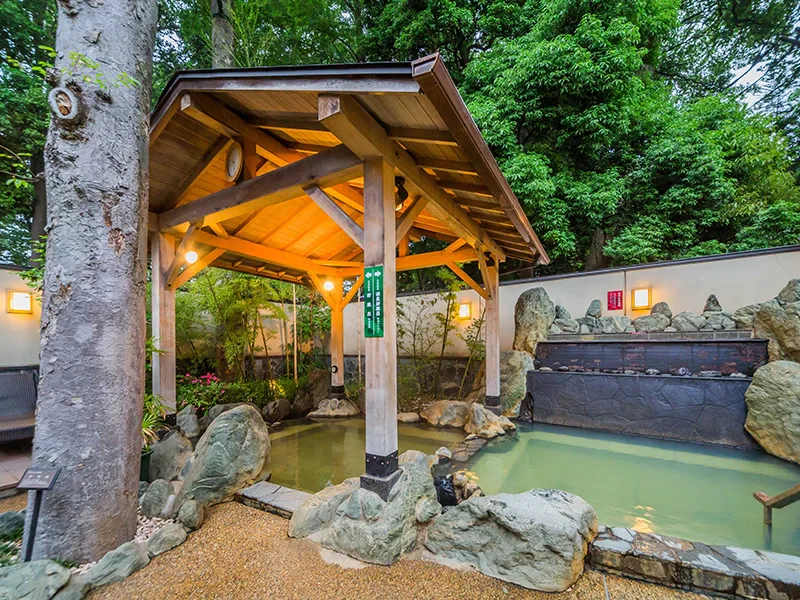
Tokorozawa Onsen Yuraku no Sato is a day-trip bathing facility that uses natural hot springs sourced from approximately 1,700 meters underground. With spring water containing sodium and calcium, the facility offers various amenities including outdoor baths, high-concentration carbonated springs, saunas, and bedrock baths.
The facility also includes dining areas, rest spaces, and relaxation facilities, making it suitable for refreshing after sightseeing. It's popular as a spot where you can leisurely heal travel fatigue.
Summary
To get to Belluna Dome, while it's not absolutely necessary to go via Ikebukuro Station, in many cases, especially when traveling by train from distant areas, the route via Ikebukuro Station is convenient and common. Ikebukuro Station has many lines including JR lines, Tokyo Metro, and Tobu Tojo Line, making it easily accessible from other directions.
Ultimately, which route to choose should be decided by considering your departure point, transportation method, time, and other factors, using transfer guidance services.
*This article was created based on information as of February 2026