Winter Sports You Can Enjoy in Japan | Introduction to Sports You Can Experience and Watch



Winter in Japan is a season where you can enjoy both the fun of moving your body in snowy landscapes and the excitement of sharing the heated atmosphere while watching sports at venues. When deciding how to spend your time while traveling, organizing whether you want "to experience it yourself" or "to enjoy watching" first will make it easier to plan your schedule.
This article introduces winter activities you can experience in Japan and winter sports that are exciting to watch live, and finally provides an easy-to-understand explanation of the basic points for watching curling.
Table of Contents
1. Enjoy the Best Snow Quality! Winter Sports You Can Experience Yourself in Japan
1-1. Skiing
1-2. Snowboarding
1-3. Snowshoeing
1-4. Snowmobiling
1-5. Snow Rafting
1-6. Ice Skating
1-7. Drift Ice Walking
1-8. Dog Sledding
1-9. Wakasagi Fishing
2. Experience Excitement and Emotion! Winter Sports You Can Watch in Japan
2-1. Figure Skating
2-2. Ski Jumping
2-3. Ice Hockey
2-4. Speed Skating
2-5. Bobsled
3. Rapidly Growing in Popularity! "Chess on Ice" Curling Spectator Guide
3-1. Team Composition and Position Roles
3-2. Curling's Unique Equipment (Stones, Brushes, Shoes)
3-3. The Structure of the Rink "Sheet" Where Matches Are Played
3-4. Basic Rules of Match Progression (Ends and Throwing Order)
3-5. Sweeping and Players' "Calls"
3-6. How to Count "Points" That Determine Victory
3-7. Spectator Etiquette and "Concede (Give Up)"
Summary
1. Enjoy the Best Snow Quality! Winter Sports You Can Experience Yourself in Japan
Winter in Japan is attractive for its world-acclaimed high-quality powder snow "JAPOW". Many facilities have excellent rental services, creating an environment where you can easily start even empty-handed. Here, we introduce winter sports experiences in order, from skiing and snowboarding to snowmobiling, drift ice walking, ice skating, dog sledding, and wakasagi fishing.
1-1. Skiing
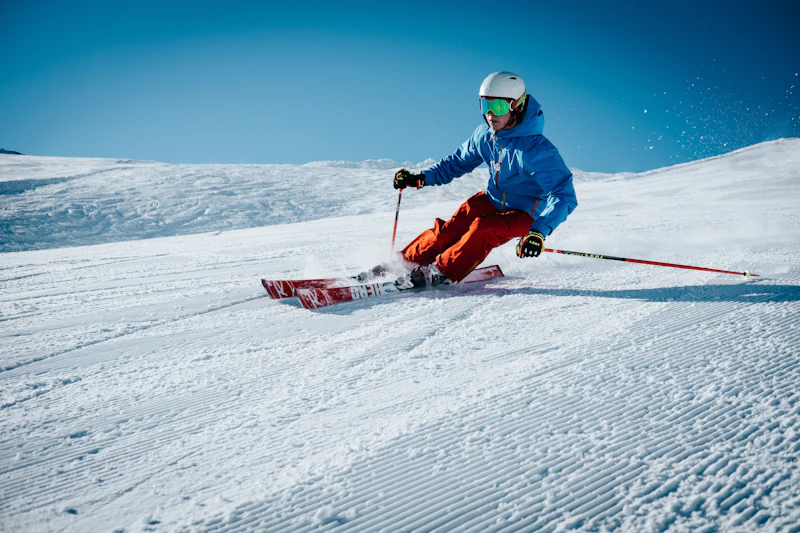
Skiing is a classic winter sport where you attach boards to your feet and glide on snow surfaces, sliding down slopes. Japan has many ski resorts with excellent snow quality, where you can experience the floating sensation and exhilarating speed unique to powder snow. Even beginners can feel secure by participating in ski schools, where they can learn how to stop and turn step by step.
Many ski resorts have excellent rental services, and the appeal is that you can rent a complete set of gear and start easily empty-handed. With a wide range of options from gentle beginner slopes to advanced ungroomed terrain, it's also characteristic that companions of different skill levels can easily spend time together at the same resort.
1-2. Snowboarding
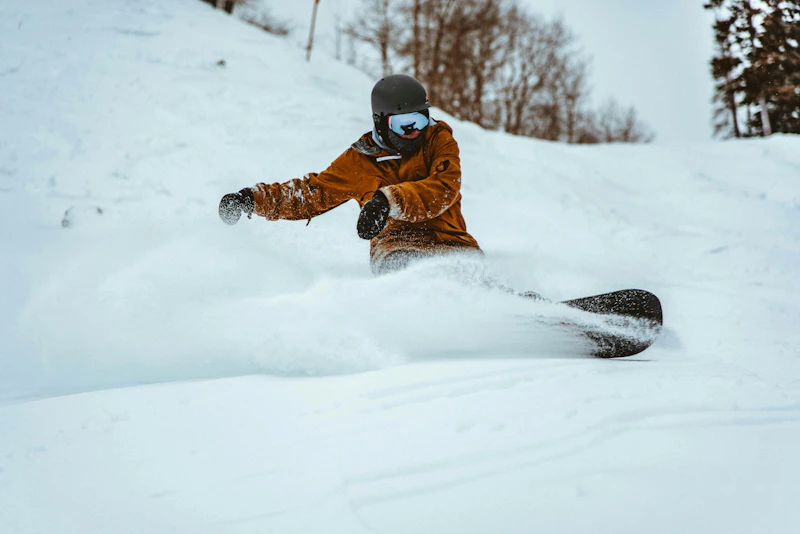
Snowboarding is a winter sport where both feet are fixed to a single board and you glide down slopes using weight shifts. In Japan's high-quality powder snow, edges easily catch the snow, allowing you to enjoy the unity and floating sensation of turns. Many ski resorts rent boards, boots, and gear, so you can start empty-handed.
Beginners might want to learn how to stand, fall, and get on and off lifts at ski schools. Since you're in a sideways position compared to skiing, once you get used to using your field of vision and how to stop, your riding becomes stable. In parks, you can challenge jumps and halfpipes, and the appeal includes being able to take photos in snowy landscapes. You can also express your individuality through gear design.
1-3. Snowshoeing
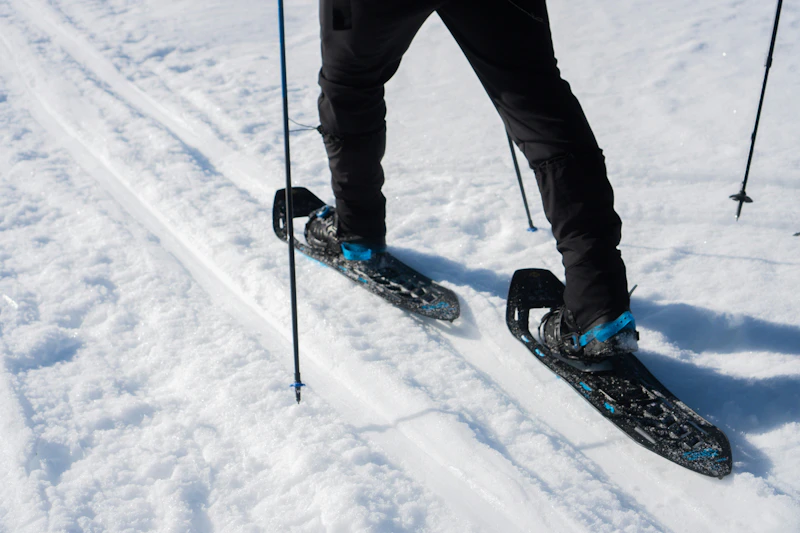
Snowshoeing is a winter activity where you attach special walking equipment that doesn't sink easily in snow to your shoes and enjoy walking through snowy fields and forests. Also called the Western version of snowshoes, they make it easier to walk stably even in deep snow. In Japan, there are many guided tours, so even beginners can participate while learning walking techniques and safety precautions. The appeal is that it's easy to try even for people who aren't good at sports, as it doesn't require sliding techniques like skiing or snowboarding.
You can quietly proceed through snow-covered forests and encounter winter-specific scenery such as animal tracks, frost-covered trees, and frozen lakes. Many fields have well-equipped rental services, making it easy to participate almost empty-handed. You can enjoy it for photography and nature observation purposes.
1-4. Snowmobiling
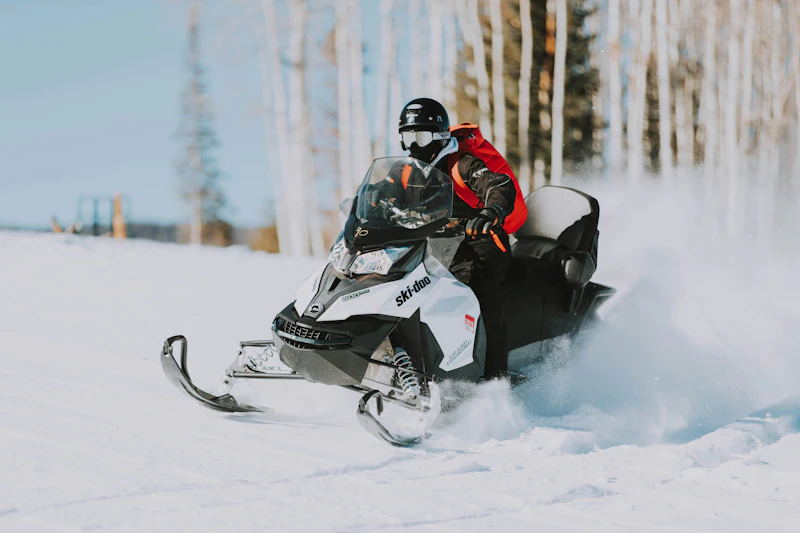
Snowmobiling, with its exhilarating appeal of racing across snowy fields, is a winter sport where you ride motorcycle-like small snow vehicles across snow surfaces. While a driver's license is required for riding on public roads, no license is needed for experiences on dedicated courses, making it easy for beginners to enjoy.
In experience tours, instructors first carefully teach basic operations like acceleration and braking. After learning the operating methods, you head out to snowy field courses surrounded by nature with a guide. The experience of racing through vast snowy landscapes that cars cannot access will surely become a special winter memory. Because it's a powerful vehicle, it's important to receive safety training and operate it correctly.
1-5. Snow Rafting
(Source: Hokkaido Official Tourism Website)
Snow rafting is an activity where you ride in a rubber boat used for rafting and get pulled by a snowmobile across snow surfaces. Like a summer banana boat, it offers the exhilarating appeal of racing across snowy fields while swaying up, down, left, and right.
Particularly impressive is the lateral gravity experienced when the snowmobile changes direction. The sense of speed and thrill of drifting across snow surfaces and racing in all directions has an addictive fun once you experience it. Since you just ride in the boat and get pulled, children can also participate. The intensity can be adjusted based on requests, so it can be enjoyed by a wide range of people, from families with children to adults seeking thrills. It's a perfect activity for creating small memories during family trips.
1-6. Ice Skating
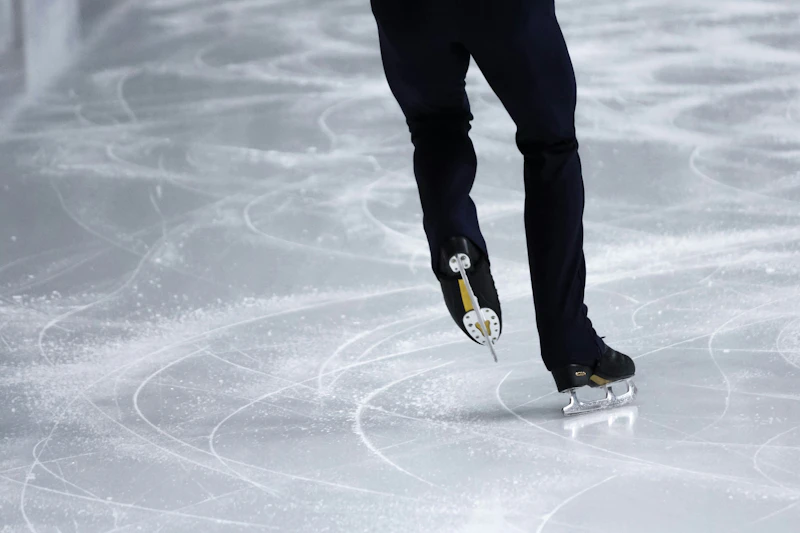
Ice skating is a winter sport where you glide on ice wearing blade-equipped shoes, offering diverse ways to enjoy it, from the expressiveness of figure skating to the exhilaration of speed skating. There are indoor rinks throughout Japan, making it easily accessible without having to go to snowy mountains. In winter, outdoor rinks are also set up in some regions, allowing you to skate while enjoying the scenery.
Many facilities rent shoes and protective gear, and beginner-friendly handrail areas and classes are also available. By warming up and taking breaks at short intervals, you can avoid getting tired and enjoy it comfortably with family and friends. Keeping a low posture and being conscious of receiving falls with knees and elbows rather than hands increases safety. Avoiding crowds on your first visit provides peace of mind.
1-7. Drift Ice Walking
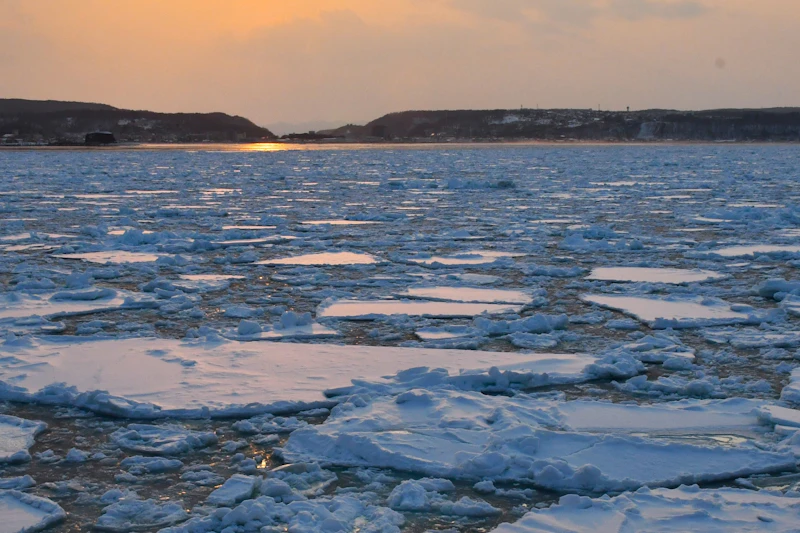
Drift ice walking is a winter activity where you walk on drift ice that reaches the Okhotsk coast of Hokkaido, accompanied by guides. Around Utoro on the Shiretoko Peninsula, the sea surface becomes covered in white, creating scenery like walking on land. Since drift ice is carried by seasonal winds and ocean currents from northern seas, the timing and extent of ice reaching shore varies by year.
Wearing special dry suits and safety equipment, you observe the ice by touching it and looking at the sea through gaps. When conditions permit, floating experiences in the sea may be included. While the photogenic scenery is appealing, check your physical condition and equipment before participating, and prioritize safety on the day.
1-8. Dog Sledding
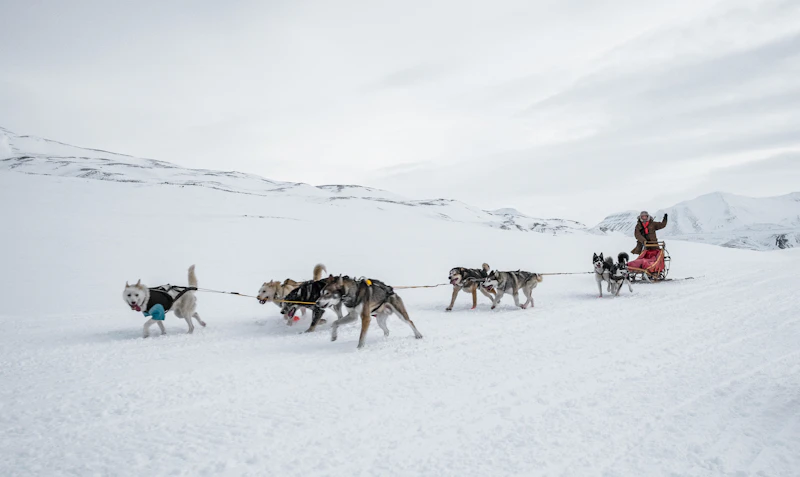
Dog sledding is a winter activity where Siberian Huskies, Samoyeds, and other dogs connected by harnesses pull sleds across snowy fields. Representative connection methods include tandem type (in a line) and fan type (spread in a fan shape). In Japan, it's mainly conducted at resorts and experience facilities in Hokkaido, with beginner-friendly courses where instructors accompany participants.
Operations typically take breaks according to the dogs' condition and proceed at a comfortable pace. In addition to the exhilarating speed of cutting through the wind, you can also experience the unity of coordinating with the dogs through signals and steering. Warm clothing and gloves are essential, and the appeal includes being able to move while feeling the quietness of snowy fields and the sound of dogs' footsteps, which is characteristic of winter travel.
1-9. Wakasagi Fishing
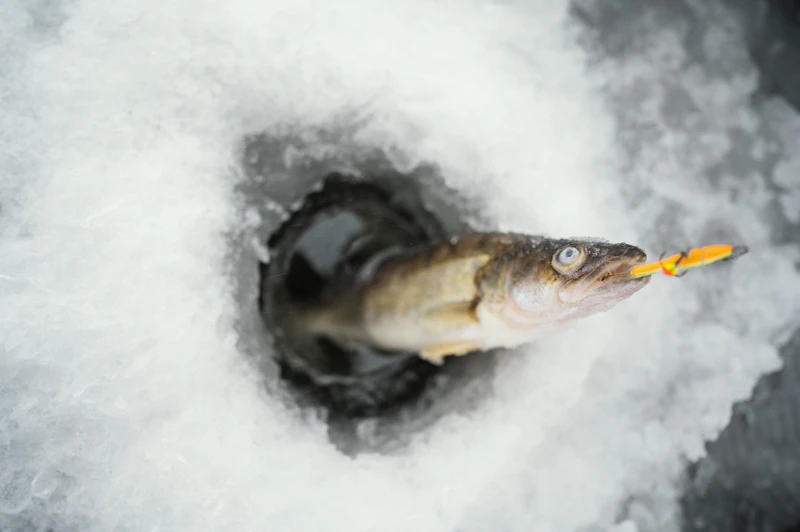
Wakasagi fishing is a sport where you easily target fish with a fishing season from late summer to the following spring in winter lakes and dam lakes. While the famous method involves drilling holes in frozen lake surfaces, there's also fishing from piers or shore, and fishing in heated dome boats, making it accessible even for those who dislike cold weather. You can also enjoy setting up tents to avoid wind and quietly waiting for bites while viewing snowy landscapes.
Many fishing spots have rental tackle, making it easy for beginners to catch fish, while increasing your catch requires ingenuity in rig size and luring techniques. The joy of being able to taste caught wakasagi as tempura and other dishes, and sharing small tugs with family and friends, makes it likely to become a memorable part of winter travel.
2. Experience Excitement and Emotion! Winter Sports You Can Watch in Japan
Winter sports have the appeal of sounds and speeds that can only be conveyed at venues. Here, we introduce five winter sports you can watch in Japan.
2-1. Figure Skating
Figure skating is an ice sport that combines elements like skating, jumps, and spins set to music, competing on technical scores and program component scores. At venues, you can hear the sound of edges cutting ice, the compression of takeoffs, and the impact of landings, and you can also feel the speed. The number of jump rotations, spin acceleration, and step intricacies are better understood up close, and ice spray is also a highlight.
The entire venue holds its breath in tension, and the cheers when successful create unity, making it easy to be moved even on your first visit. Drama unfolds each time scores are displayed, and applause naturally synchronizes. Entry points for spectating include ice shows that emphasize entertainment and are casual, and competitions like the NHK Trophy and All-Japan Championships.
2-2. Ski Jumping
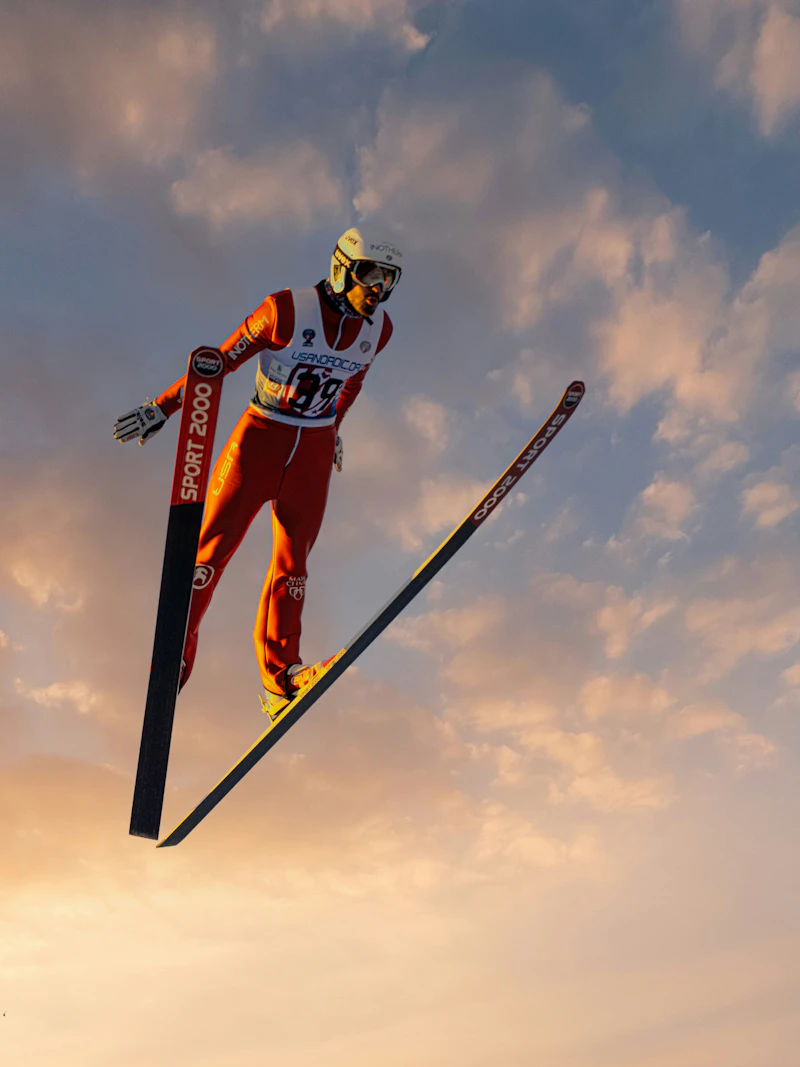
Ski jumping is a competition where athletes slide down an in-run, take off, and compete on their aerial form and landing. Scoring is based on distance and form evaluation, with adjustments for wind and start position. At venues, you can feel the tension of the takeoff moment, the sound of cutting through air, and the impact of landing, with cheers erupting all at once when scores are displayed.
From positions where you can see the entire jump hill, you can understand the entire flow from in-run to flight to landing point. The strategic element where conditions change with tailwinds or headwinds, creating point differences even with the same distance, is also a highlight. There are not only individual competitions but also team events, with rankings changing after each jump. Powerful spectating is possible domestically at places like Okurayama in Sapporo. Make sure to dress warmly when spectating.
2-3. Ice Hockey
Ice hockey is a sport where players use sticks to fight for the puck on ice and compete to score by getting it into the opponent's goal. The appeal lies in the speed where offense and defense switch in an instant, and the rapid development where passes and shots continue in rapid succession. The sharp sound of the puck through glass, consecutive saves in front of the goal, and battles along the boards become more intense at venues.
When penalties create numerical advantages, the flow changes dramatically, heightening the anticipation of scoring. Substitutions occur at short intervals without stopping play, so the flow on the rink never breaks. In men's hockey, there are also body checks, allowing you to simultaneously experience the intensity of contact and tactical strategy. Venues can get cold, so dressing warmly for spectating provides peace of mind.
2-4. Speed Skating
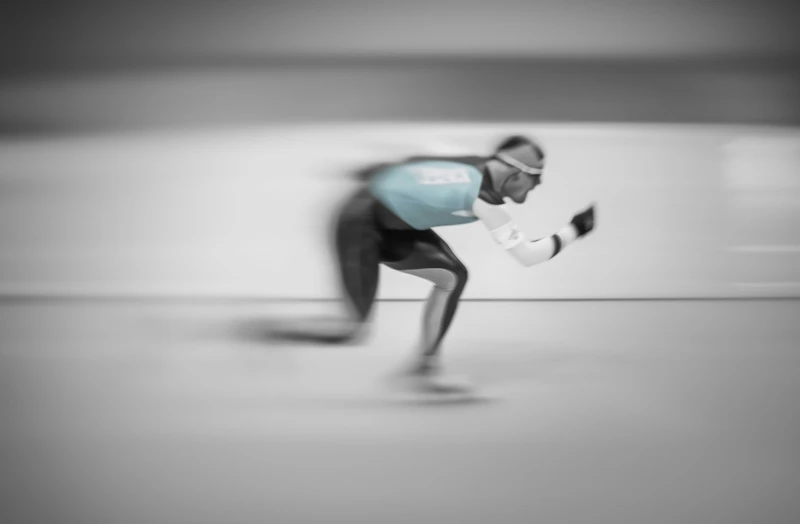
Speed skating is a winter sport where athletes skate on a 400-meter rink, competing for times and rankings over various distances. Top athletes are said to momentarily reach speeds of around 60 km/h, and at venues, the explosive acceleration at the start and the skating that maintains deep leans through curves while suppressing deceleration are highlights. The sharp sound of blades cutting ice and the tension that builds with lap times and ranking updates on the scoreboard are also appealing. The sprint in the final straight where athletes shift into another gear is powerful, and applause naturally synchronizes.
Many competitions are held in indoor rinks, making them suitable for spectating as they're less affected by weather. Short distances are decided in an instant, while long distances, team pursuit, and mass start events heat up with timing of moves and formation strategies.
2-5. Bobsled
Bobsled is a sport where steel sleds race down courses surrounded by ice walls. The highlight is the beauty of coordination at the start, where all team members push the sled and quickly jump in while running. During the run, the pilot at the front adjusts the line with the steering wheel while other athletes make themselves small to reduce air resistance. Brakes cannot be used until after the goal, so the roar and acceleration never stop.
There are 2-person and 4-person events, with runs timed to 1/100th of a second. Since victory is determined by the total time of multiple runs, the appeal lies in how corrections after each run can create comebacks. When spectating, focusing on the momentum of the start dash, corner attack methods, and time displays immediately after the goal helps you follow the flow.
3. Rapidly Growing in Popularity! "Chess on Ice" Curling Spectator Guide
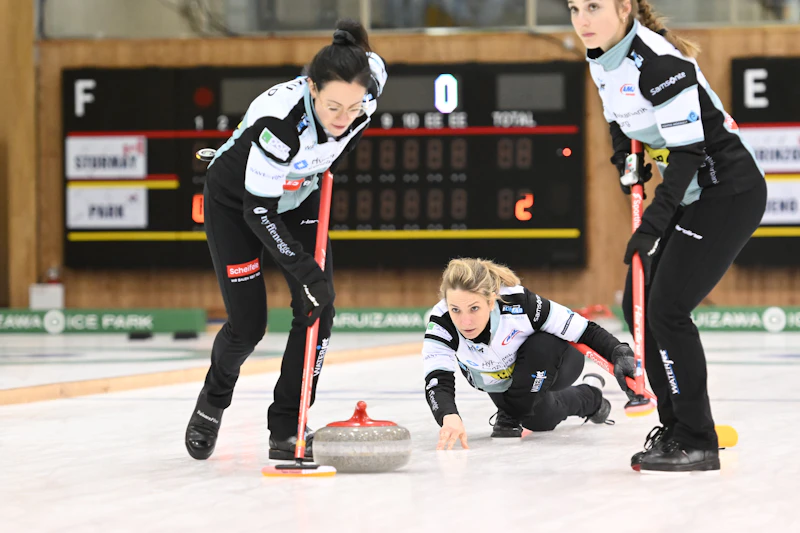
Curling is a sport also called "chess on ice" where teams place stones and compete for points. Since one shot can change the flow, the more you understand the mechanics, the more interesting spectating becomes. Here, we explain team roles, equipment, sheets, rules, calls, scoring, and etiquette in order.
●Get Tickets
3-1. Team Composition and Position Roles
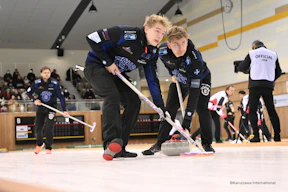
Curling is played with 4 people per team, throwing in order: Lead → Second → Third (Vice-Skip) → Skip, with each throwing 2 stones. The Lead creates the foundation with guards and draws in the early game, and after throwing, mainly adjusts distance and curl through sweeping. The Second handles guards and takeouts according to the situation, similarly supporting through sweeping.
The Third throws at crucial moments in the late game, and when the Skip is throwing, reads the situation from the house and instructs on targets and lines. The Skip acts as the commander, deciding tactics and moving the game with the final 2 throws. The Reserve serves as a substitute, entering based on physical condition and tactics.
3-2. Curling's Unique Equipment (Stones, Brushes, Shoes)
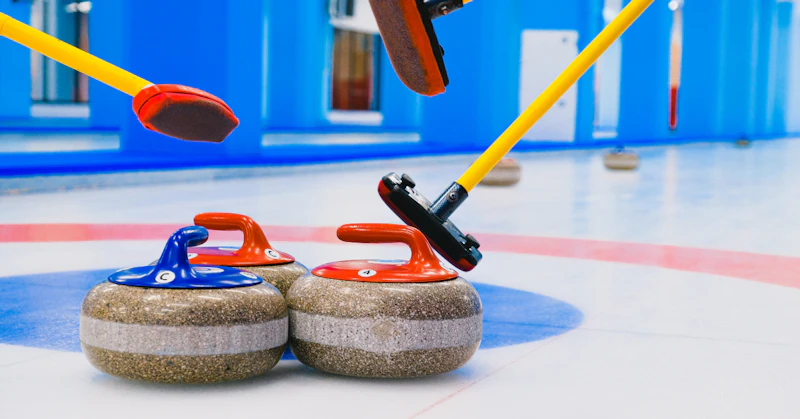
Curling equipment centers on stones, brushes, and specialized shoes. Stones are made of granite, approximately 30cm in diameter and weighing about 20kg, with the same set shared on the rink. Brushes commonly have synthetic fiber pads, though horsehair or boar bristle may be used depending on rink conditions. They're used for "sweeping" the ice in front of the stone's path during delivery, changing the ice surface condition through friction to extend distance or adjust curl.
Shoes have different soles for left and right feet, with one foot having a sliding material and the other a non-slip material, matched to handedness. Grippers are attached when walking. Hand control is also important.
3-3. The Structure of the Rink "Sheet" Where Matches Are Played
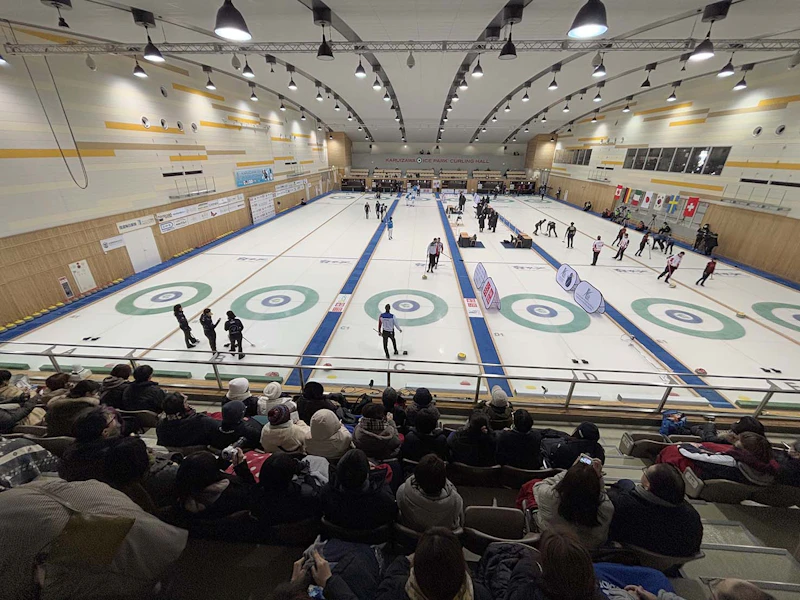
The stage for curling is an elongated rink called a "sheet". It's approximately 40m long and 5m wide, with circular "houses" drawn at both ends. The goal is to place stones as close as possible to the center of the house. When delivering, stones must be released before the "hog line" and cross the hog line to be valid plays.
The effective range extends to the "back line" behind the house, and stones that cross it become invalid. The throwing direction alternates each end, with offense and defense continuing back and forth on the same sheet. Venues have multiple sheets, with matches proceeding simultaneously during preliminaries.
3-4. Basic Rules of Match Progression (Ends and Throwing Order)
Curling is generally played in 10 ends, with matches progressing by accumulating segments called "ends". One end consists of both teams throwing 8 stones each, totaling 16 throws. One team of 4 people (Lead → Second → Third → Skip) each throws 2 stones, with first and second teams alternating one throw at a time.
The first half of throws create formations, while the second half, especially the Skip's final 2 throws, tend to move the game. After throwing 8 stones each, points are counted, and the team that scored becomes the first team (hammer team) in the next end. Competitions may have time limits, with decision speed also being tested toward the end.
3-5. Sweeping and Players' "Calls"
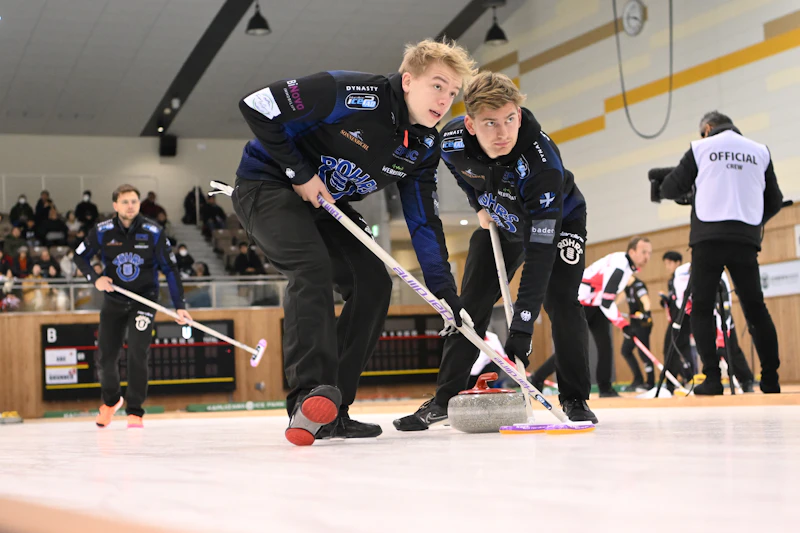
Sweeping is the operation of brushing the ice in front of the stone's path, slightly melting the surface of pebble (ice granules) to improve gliding. This extends distance, weakens curl, or keeps the stone on the intended line.
Instructions are given by the thrower or the Skip at the house end, and calls change if judgment changes mid-delivery. Signals are short and clear, with "Yep/Yes" meaning sweep, "Whoa" meaning stop, "Clean" meaning lightly, and "Hard" meaning strongly and quickly. Paying attention to voice changes reveals tactics and conveys the venue's tension.
3-6. How to Count "Points" That Determine Victory
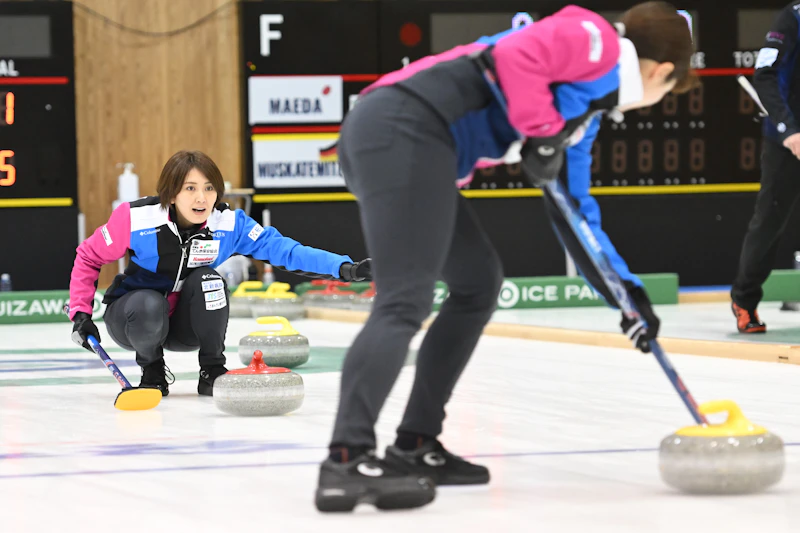
Curling scoring is determined by "how close to the house center (tee)". After one end finishes, both teams' stones are compared, and the team with the stone closest to center scores. The points are the number of that team's stones that are closer to center than the opposing team's closest stone.
For example, if your team has the 1st and 2nd closest stones, you score 2 points; if the opponent gets the 2nd closest, you score 1 point. Importantly, only one team can score in each end. The team that doesn't have the closest stone to center automatically scores 0 points for that end.
3-7. Spectator Etiquette and "Concede (Give Up)"
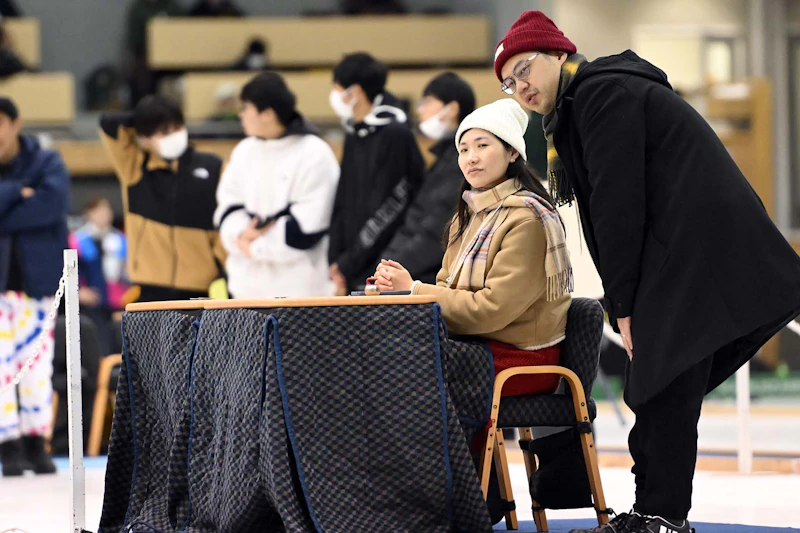
Curling is a sport that values fair play and respect for opponents. When spectating, avoid private conversations and moving seats during deliveries, maintaining concentration with quiet applause. Since some venues allow viewing very close to players, avoid flash photography and loud cheering.
Since players cooperate with each other to progress matches, including score confirmation, avoid reactions that celebrate opponents' mistakes. The second team (hammer team) that throws the final stone in each end can easily change the situation, and this advantage is called the "hammer". When victory becomes realistically difficult, the losing team's Skip requests a handshake to "concede", praising the opponent and ending the match.
Summary
Winter in Japan features attractive high-quality powder snow "JAPOW", with well-equipped rental services creating an environment where you can easily start even empty-handed. In snowy regions, you can enjoy classic activities like skiing and snowboarding, and depending on the area, special experiences like drift ice walking and dog sledding.
Additionally, sports spectating allows you to experience the sounds and speeds that resonate through venues while enjoying the power of figure skating, ski jumping, ice hockey, speed skating, and bobsled. Curling in particular is a tactical sport where one shot can change the flow, and knowing the rules and etiquette allows you to enjoy spectating more deeply.
※This article was created based on information as of December 2025