Japan's Spring Festivals in 2026: Introducing Famous Festivals Held in March, April, and May


Spring in Japan brings towns to life with the melting snow, as prayers and celebratory events begin all at once. From the fervor of fire festivals, floats proceeding through cherry blossom-lined streets, elegant processions, to nighttime illuminations, each region displays different expressions even within the same season. To help you easily incorporate these into your travel plans, it's reassuring to know the guidelines for crowded days and times, as well as etiquette to observe at venues.
This article organizes representative festivals held from March to May by month, location, dates, and highlights, while also introducing spring experiences such as cherry blossom viewing, professional baseball games, and traditional Japanese instrument concerts.
Table of Contents
1. Japan's Spring Festivals: March Festivals
1-1. Yanagawa Hina Matsuri "Sagemon Meguri" (Fukuoka Prefecture)
1-2. Jindaiji Daruma Market (Tokyo)
1-3. Sounkyo Ice Fall Festival (Hokkaido)
1-4. Omihachiman Sagicho Festival (Shiga Prefecture)
1-5. Yamada Spring Festival (Saitama Prefecture)
1-6. Shunie (Nara Prefecture)
2. Japan's Spring Festivals: April Festivals
2-1. Miyako Odori (Kyoto Prefecture)
2-2. Inuyama Festival (Aichi Prefecture)
2-3. Kamakura Festival (Kanagawa Prefecture)
2-4. Tendo Cherry Blossom Festival (Yamagata Prefecture)
2-5. Flower Festival (Osaka Prefecture)
3. Japan's Spring Festivals: May Festivals
3-1. Hakata Dontaku Port Festival (Fukuoka Prefecture)
3-2. Sendai Aoba Festival (Miyagi Prefecture)
3-3. Aoi Festival (Kyoto Prefecture)
3-4. Matsumae Cherry Blossom Festival (Hokkaido)
3-5. Kanda Festival (Tokyo)
4. Recommended Experiences to Enjoy Japan's Spring
4-1. Japanese Professional Baseball
4-2. ZAKURO SHOW
4-3. Cherry Blossom Viewing
Summary
1. Japan's Spring Festivals: March Festivals
In March, Japan hosts events welcoming spring across various regions, including Hina Matsuri (Doll Festival), good luck charm markets, and snowy landscape festivals. Here, we introduce representative March festivals held throughout Japan in order.
1-1. Yanagawa Hina Matsuri "Sagemon Meguri" (Fukuoka Prefecture)
Yanagawa Hina Matsuri "Sagemon Meguri" is a spring tradition held in Yanagawa City, Fukuoka Prefecture. From February 11 to April 3, 2026, tourist facilities and shops throughout the city will display "Sagemon" - combinations of fabric crafts featuring cranes, rabbits, chicks, and crawling dolls paired with Yanagawa Mari (traditional temari balls). The colorful decorations beautifully adorn the water town's streetscape, making it enjoyable for photography and strolling.
The tradition stems from the custom of hanging handmade decorations for girls' first Sekku (seasonal festival), praying for healthy growth and happiness, and visitors can compare displays at various locations while walking through the town. The decorations can also be viewed at Kitahara Hakushu's birthplace and Ohana, with events such as Ohina-sama Hajimesai (Opening Ceremony for Hina Dolls) and water parades scheduled during the period.
1-2. Jindaiji Daruma Market (Tokyo)
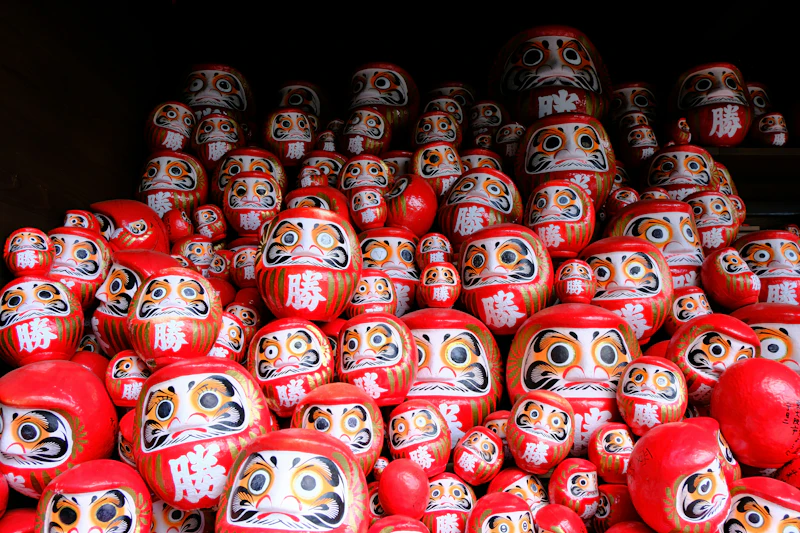
Jindaiji Daruma Market is a spring event held annually on March 3rd and 4th at Jindaiji Temple in Chofu City, Tokyo, officially called "Yakuyoke Ganzan Daishi Taisai" (Grand Festival for Warding Off Evil). Held at Jindaiji Temple, known as one of the oldest temples in the Tokyo area, this festival has continued since the Edo period and is beloved as one of Japan's Three Great Daruma Markets. The temple grounds are lined with many stalls, creating a spectacular sight of red daruma dolls spread across the area.
Prayers for warding off evil and success are held from 10 AM to around 4 PM, with offering ceremonies also conducted in the afternoon. Purchased daruma can receive blessings at the "Daruma Eye-Painting Station" where monks paint Sanskrit characters on the eyes. This is a Tokyo spring tradition where visitors can make wishes for the new fiscal year while holding their daruma, heralding the arrival of spring.
1-3. Sounkyo Ice Fall Festival (Hokkaido)
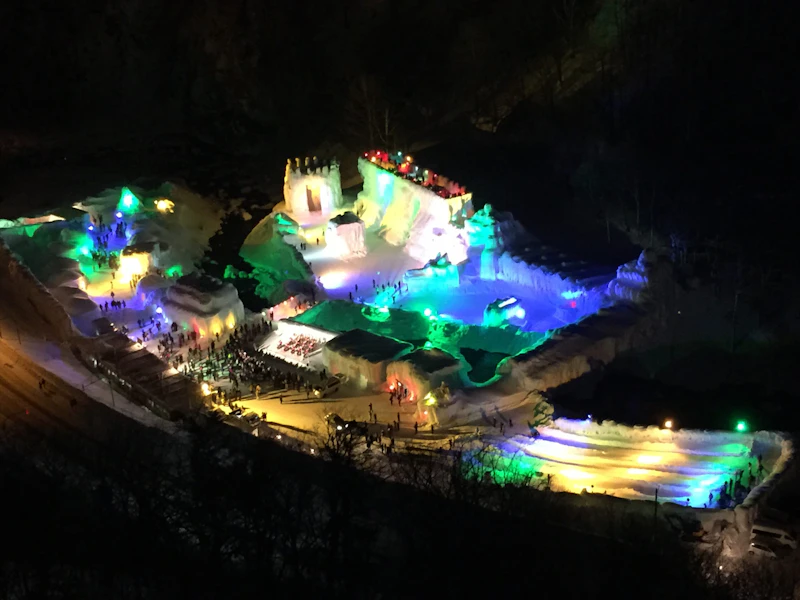
Sounkyo Ice Fall Festival is held from January 24 to March 8, 2026, at a special venue on the Ishikari River riverbed at Sounkyo Onsen in Kamikawa Town, Hokkaido. The approximately 12,000m² venue features about 30 large and small ice sculptures created over a 3-month production period, with highlights including ice rooms and observation decks reaching about 13m in height.
Operating hours are 5 PM to 9:30 PM on weekdays, and 11 AM to 9:30 PM on weekends and holidays (last entry at 9:15 PM), with a cooperation fee of 1,000 yen. The nighttime seven-color illumination is certified as a Japan Night View Heritage site, where visitors can enjoy the scenery of fireworks reflecting off the ice. Due to extremely cold conditions, warm clothing and shoes with anti-slip soles are essential when visiting. Gloves and other items can also be purchased at the rest area.
1-4. Omihachiman Sagicho Festival (Shiga Prefecture)
Omihachiman Sagicho Festival is a fire festival held in Miyauchi-cho, Omihachiman City, Shiga Prefecture, scheduled for March 14 and 15, 2026. This historical event is said to have involved Oda Nobunaga participating in gorgeous costumes, where 13 Sagicho floats parade through town praying for good health and freedom from illness, with the highlight being the clashing battles between floats.
Sagicho are straw torches with green bamboo poles, decorated with red paper, paper balls, and zodiac ornaments. The decorations are made from seafood and grains, with vibrant red being prominently used. During the day, the excitement builds with parades, and toward the end, the floats are set ablaze, creating a spectacular burning scene.
1-5. Yamada Spring Festival (Saitama Prefecture)
Yamada Spring Festival is an annual festival held on the second Sunday of March at Tsunemochi Shrine in Yamada, Chichibu City, Saitama Prefecture. Known as the first festival of the year in the Chichibu region to feature floats, it's called "the festival that brings spring to Chichibu-ji." Scheduled for March 8, 2026, floats will parade from 8 AM to 9 PM.
Around 11 AM, a total of three floats - one Kasaboko and two Yatai - gather at Tsunemochi Shrine for ceremonies, then are pulled out toward the temporary shrine Yasaka Shrine in the afternoon. After ceremonies at Yasaka Shrine around 3 PM, the float pulling continues, with the sight of them proceeding through lantern light also being a highlight.
1-6. Shunie (Nara Prefecture)
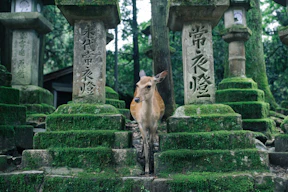
Shunie is a Buddhist service held annually from March 1 to 14 at Nigatsu-do Hall of Todaiji Temple in Nara City, scheduled for March 1 (Sunday) to March 14 (Saturday), 2026. This Keka (repentance) ritual began in 752 and has continued without interruption, praying for world peace and people's happiness. At night, "Otaimatsu" (large torches) are lit at the signal of the 7 PM great bell, creating a spectacular sight of blazing large torches illuminating the approach.
The ceremony begins at 7:30 PM on the 12th and 6:30 PM on the 14th. On the night of the 12th at 1 AM (1 AM on the 13th), "Omizu-tori" (water-drawing ceremony) is also performed, where Okosui (sacred water) is drawn from a well called Wakasa-i and offered, beloved as an event that heralds spring. The spectacle of flying sparks is powerful, and warm clothing is essential when viewing.
2. Japan's Spring Festivals: April Festivals
In April, Japan hosts gorgeous festivals in full spring bloom across various regions. From Kyoto's traditional dances and elaborate floats to historical processions and cherry blossom celebrations, we'll introduce the characteristics and dates of each festival in order.
2-1. Miyako Odori (Kyoto Prefecture)
Miyako Odori is a spring stage performance that has been passed down in Kyoto's geisha district of Gion Kobu, where visitors can watch the elegant dances of geiko and maiko, who are usually only seen in ozashiki (private banquet rooms), in a theater setting. It will be held from April 1 to April 30, 2026, at Gion Kobu Kaburenjo Theater. For about one hour, the performance travels through the seasons from spring to the following spring in eight acts without lowering the curtain, featuring new works each year that incorporate Kyoto's famous places and classical literature.
Miyako Odori has been beloved as a Kyoto spring tradition for over 150 years. The performance title is "Miyako Odori Miyako Fujo Shiki Sai." Tickets range from 4,000 to 7,000 yen, with student rates available. The first performances on April 23rd and 24th are private showings.
2-2. Inuyama Festival (Aichi Prefecture)
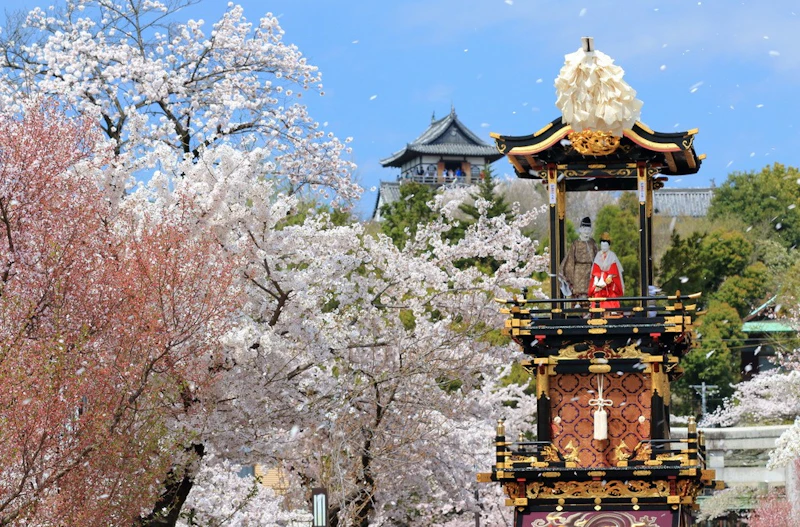
Inuyama Festival is a Kurumayama Festival that has continued since the Edo period as a festival of Haritsuna Shrine, designated as an Important Intangible Folk Cultural Property. Scheduled for April 4-5, 2026, at Haritsuna Shrine and surrounding areas in Inuyama Kitakoken 65-1, Inuyama City. From 8 AM to 9:45 PM, 13 three-tiered Kurumayama floats parade through the castle town, offering mechanical karakuri puppet performances to the accompaniment of flutes and drums.
During the day, the gorgeous decorations of carvings and lacquer shine, while at night, Kurumayama illuminated with 365 lanterns proceed through cherry blossom-lined streets in full bloom. The dynamic direction changes called "Donden" are also must-see. In 2016, it was registered as a UNESCO Intangible Cultural Heritage as one of the "Yama, Hoko, Yatai Gyoji" (Mountain, Float, and Cart Festivals). Due to large crowds, securing viewing spots early is recommended.
2-3. Kamakura Festival (Kanagawa Prefecture)
Kamakura Festival is Kamakura's spring festival centered at Tsurugaoka Hachimangu Shrine, continuing since 1959. Kamakura is a historic town where Minamoto no Yoritomo established his shogunate, and the festival allows visitors to feel the atmosphere of samurai culture. The town comes alive with parade processions, and "Shizuka no Mai" (Shizuka's Dance), based on the legend of Shizuka Gozen, is performed on the shrine's dance stage. Yabusame (horseback archery), where mounted archers in warrior attire shoot arrows while galloping on horseback, is also a specialty, offering thrilling moments. Nodate-seki (outdoor tea ceremony seats) are sometimes set up, making it enjoyable to combine with spring Kamakura sightseeing.
Usually held from the second Sunday to the third Sunday of April, it's expected to run from April 12 to April 19, 2026, but please confirm the final schedule and viewing methods through official announcements.
2-4. Tendo Cherry Blossom Festival (Yamagata Prefecture)
Tendo Cherry Blossom Festival is a representative spring event in Tendo City, Yamagata Prefecture, famous for its shogi pieces (Japanese chess pieces). The venue is atop Mount Maizuru in Tendo Park, where the famous "Human Shogi" is performed under approximately 2,000 cherry blossom trees. Warriors in armor and koshimoto (court ladies) in kimono serve as pieces, moving across a giant board according to the moves of professional shogi players and female professional players. Some years allow participation as pieces through advance application.
Human Shogi is usually held over two days in mid-April, scheduled for April 11-12, 2026. Depending on weather conditions, it may be held at city facilities, so be sure to check official information in advance. Visitors can also enjoy illuminated weeping cherry blossoms along Kuratsu River and Tendo Onsen hot springs.
2-5. Flower Festival (Osaka Prefecture)
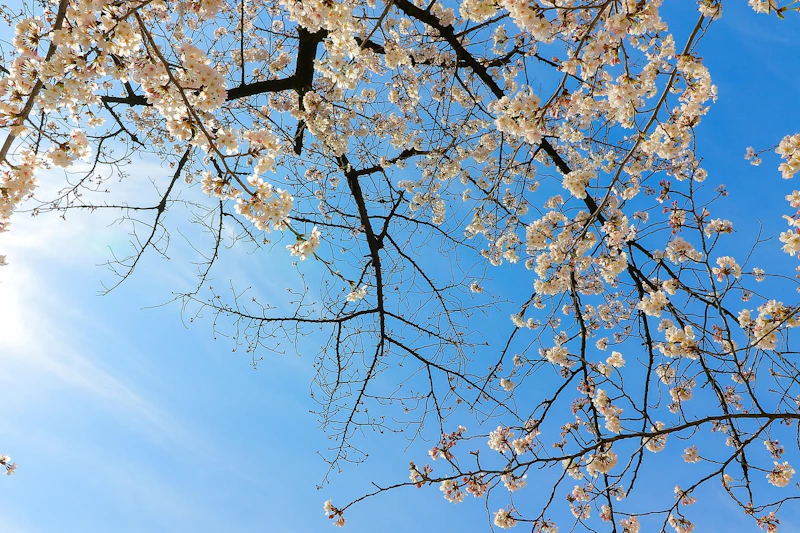
Flower Festival is a Buddhist event celebrating Buddha's birth, where Hanamido (flower pavilions) are set up around April 8th, and sweet tea is poured over birth Buddha statues to pray for children's healthy growth and wishes. The ritual of pouring sweet tea in celebration is called "Kanbutsu." It's performed regardless of Buddhist sect, though some temples observe it according to the lunar calendar or on May 8th.
In Osaka, "Buttane" is held at Shitennoji Temple, with services conducted at 10 AM on April 8th at Rokujido Hall and Kondo Hall. Visitors can perform Kanbutsu and receive sweet tea service beside the Hanamido. Flower offerings require advance registration, but flower offering services are held at 2 PM in front of the Buddha's Footprint Stone west of Maruike. Kanbutsu and sweet tea are available from April 1st to 8th.
Additionally, Namba Betsuin of the Jodo Shinshu Otani-ha sect, also known as Minamimido, has over 400 years of history and is the temple that gave Midosuji its name. From April 1st to 8th, Hanamido are set up under the main gate, and the Flower Festival Children's Art Exhibition is also held, attracting many visitors during this period.
3. Japan's Spring Festivals: May Festivals
May brings gorgeous festivals nationwide to coincide with Golden Week holidays and the fresh green season. From lively parades and traditional processions to events celebrating flowers and history, the highlights are diverse. Here we introduce representative festivals useful for travel planning.
3-1. Hakata Dontaku Port Festival (Fukuoka Prefecture)
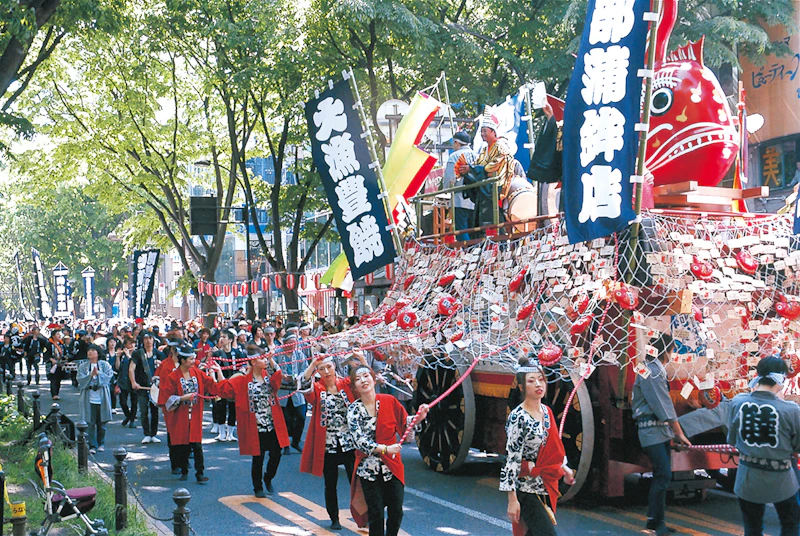
Hakata Dontaku Port Festival is a large spring festival with total citizen participation held annually on May 3rd and 4th in central Fukuoka City, Fukuoka Prefecture. The main venue is Fukuoka City Hall Fureai Plaza, with parades and stages continuing on surrounding streets, bringing excitement to the entire city. Its origins trace back to the folk event "Hakata Matsubayashi" that began in 1179, where groups dressed as Fukujin (gods of fortune), Ebisu, Daikoku, and Chigo (child attendants) deliver blessings accompanied by shamisen and drum hayashi music. "Dontaku" is said to derive from the Dutch word for "holiday," and after the war, it was beloved as a symbol of reconstruction.
On the day, participating groups compete with costumes and performances appearing at various locations, allowing spectators to enjoy diverse programs while walking around. Since 1962, it has developed as the "Fukuoka Citizens' Festival" and is known as one of Japan's major events, attracting over 2 million visitors from Japan and abroad.
3-2. Sendai Aoba Festival (Miyagi Prefecture)
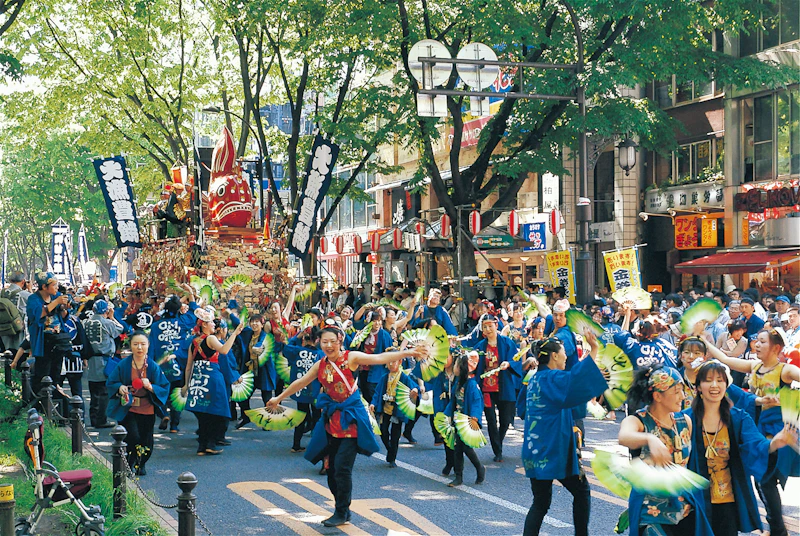
Sendai Aoba Festival is a festival that heralds the arrival of early summer in Sendai, scheduled for May 16-17, 2026. The venue is central Sendai City, Miyagi Prefecture, where Saturday's "Evening Festival" features hayashi music echoing through the zelkova-lined Jozenji-dori and arcade streets, with successive performances of Sendai Suzume Odori (Sparrow Dance), said to originate from banquets celebrating the construction of Sendai Castle. Yamaboko floats illuminated by lanterns light up the night streets, creating photogenic scenery.
Sunday's "Main Festival" features mikoshi processions from Aoba Shrine, which enshrines Date Masamune, along with historical pageant processions featuring mounted Masamune and warrior troops, child processions, and parades of 11 gorgeously decorated Sendai Yamaboko floats. The festival concludes with a grand Sendai Suzume Odori parade. This is a festival that can be enjoyed while walking through the fresh green City of Trees.
3-3. Aoi Festival (Kyoto Prefecture)
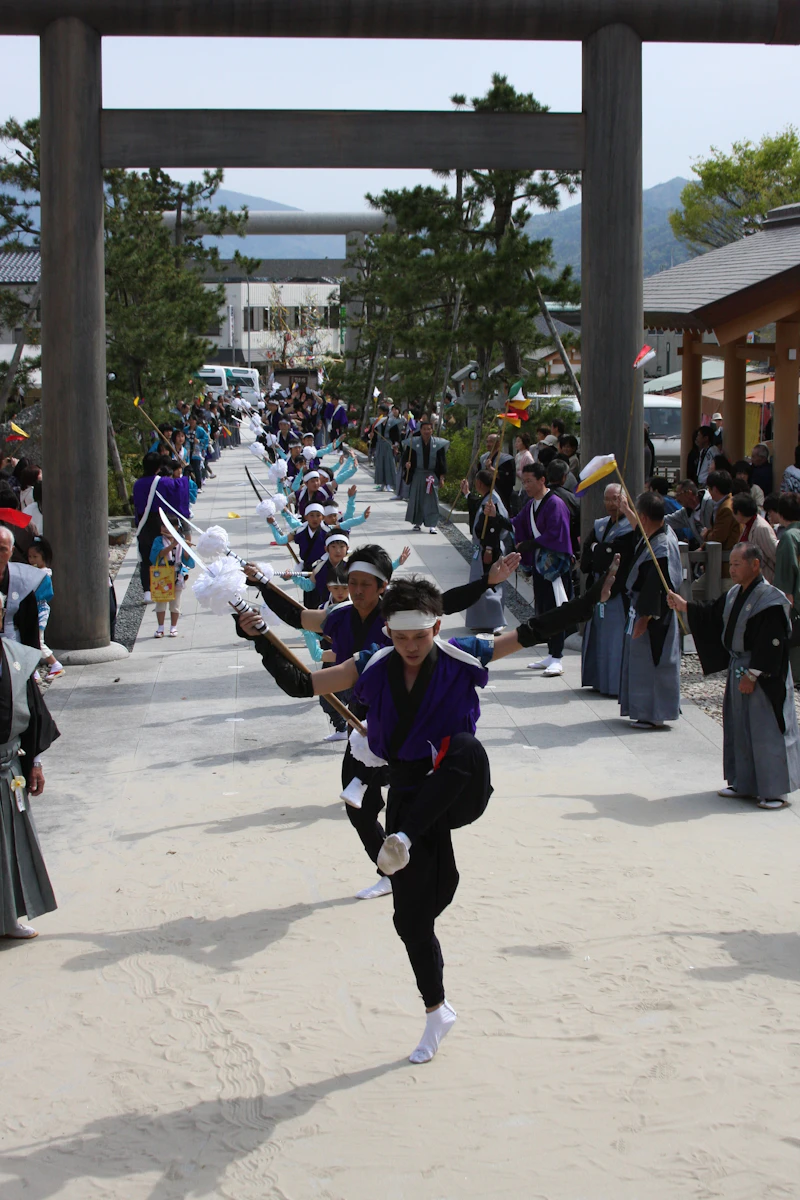
Aoi Festival is the annual festival of Shimogamo Shrine and Kamigamo Shrine in Kyoto, one of Kyoto's Three Great Festivals alongside Gion Festival and Jidai Festival. Its origins are said to date back about 1,500 years and it appears in The Tale of Genji. Divine services continue from early May each year, with the highlight "Roto no Gi" (Street Procession) held on May 15th.
In Roto no Gi, a procession of over 500 people in Heian period costumes led by Saio-dai (Imperial Princess substitute) departs from Kyoto Imperial Palace and travels approximately 8km via Shimogamo Shrine to Kamigamo Shrine. The procession includes horses and ox-drawn carriages. The green leaves attached to the court dress and imperial carriages in the procession are called "Aoi Katsura," with Futaba Aoi (wild ginger) serving as the festival's symbol. Divine services are also held at various locations during the preliminary period, spreading the atmosphere of early summer throughout the town. Areas around Kyoto Imperial Palace and along Kamo River are popular viewing spots, and early arrival is recommended as they become crowded on the day.
3-4. Matsumae Cherry Blossom Festival (Hokkaido)
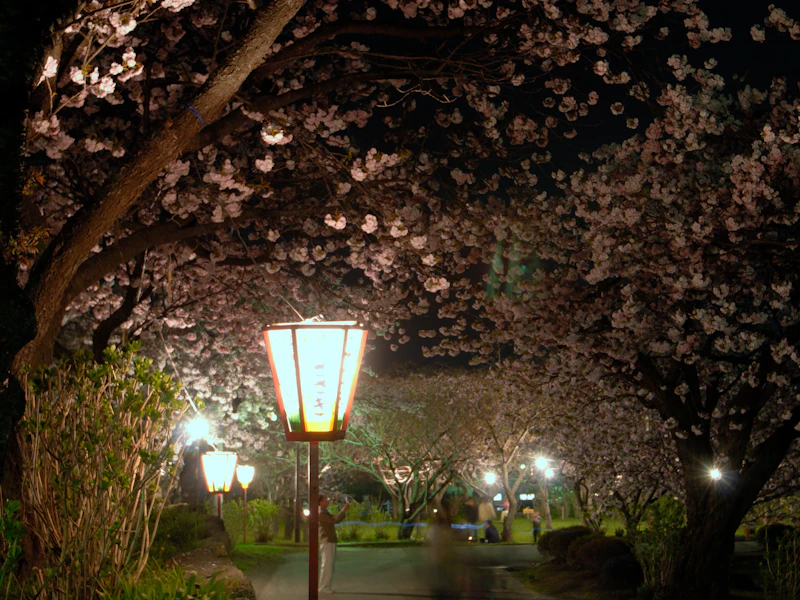
Matsumae Cherry Blossom Festival is a flower festival held annually from late April to early May at Matsumae Park and around Matsumae Castle in Matsumae Town, Hokkaido. The approximately 248,000m² park contains about 250 varieties and 10,000 cherry blossom trees, with peak viewing continuing for about one month from early-blooming to late-blooming varieties. Illumination is provided from sunset to 9 PM during the period, with the collaboration of Matsumae Castle's keep and cherry blossoms being popular. On April 29th, there are performances of local performing arts including Matsumae Kagura, along with stamp rallies and food stalls.
Near the park, Kozanji Temple also offers viewing of Kechimyaku Zakura, a cherry tree said to be over 300 years old. During busy periods, vehicle restrictions are imposed within the park, so walking is recommended. From elevated areas, visitors can view the entire park and Tsugaru Strait, and exploring the surrounding temple district is also enjoyable.
3-5. Kanda Festival (Tokyo)
Kanda Festival is the annual festival of Kanda Myojin (Kanda Shrine) in Tokyo, called "Tenka Matsuri" (Festival of the Realm) due to its history of mikoshi and float processions entering Edo Castle. The Shinko-sai (Divine Procession), where divine spirits are carried in horen (portable shrines) and parade through the city center with drums and hayashi music, is the centerpiece, with the shouts of carriers echoing through the shrine grounds during neighborhood mikoshi entries. It's known as one of Japan's Three Great Festivals and Edo's Three Great Festivals.
The main festival is traditionally held every two years, and since it was held in 2025, the next main festival is scheduled for 2027. The year following the main festival typically becomes Kage Matsuri (Shadow Festival), focusing on shrine ceremonies. Weekends during the main festival tend to be crowded, so early action is recommended. When viewing, procession passing times and traffic regulations are announced, so checking in advance is advisable.
4. Recommended Experiences to Enjoy Japan's Spring
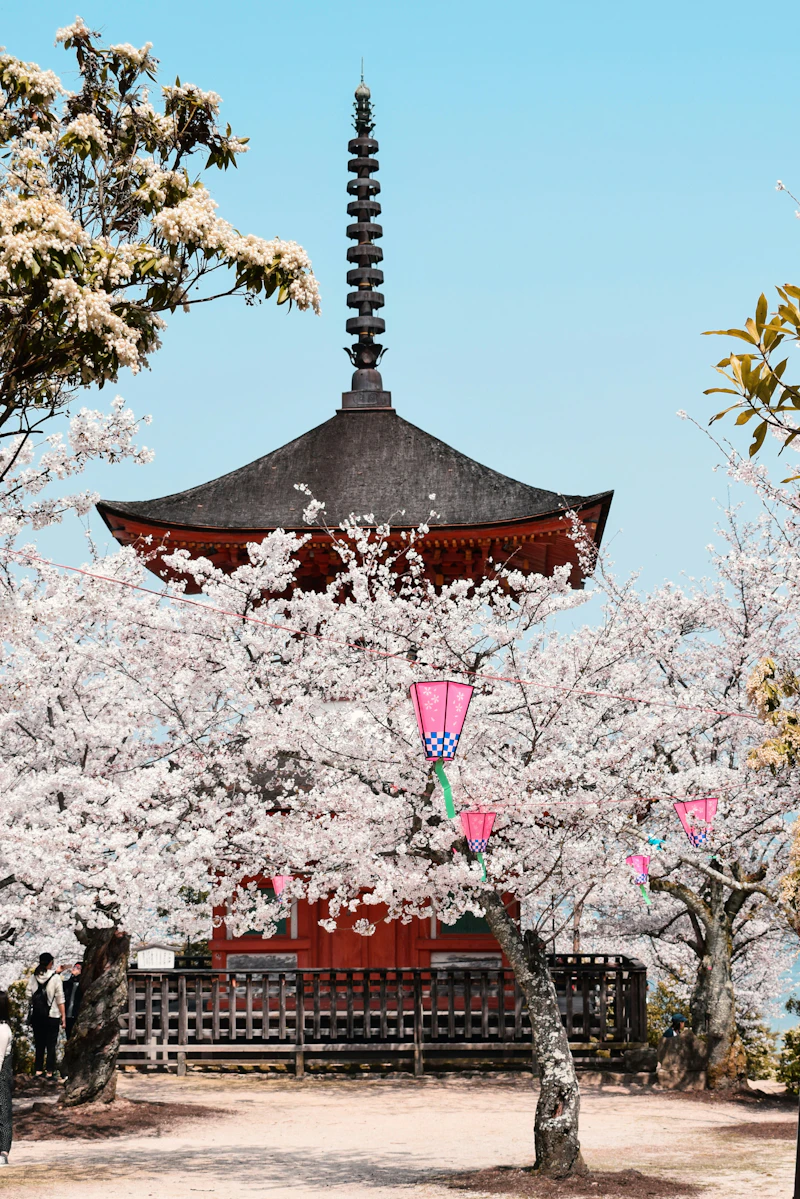
Spring in Japan offers abundant "seasonal" experiences beyond festivals. Here we introduce recommended experiences that are enjoyable even for first-time travelers: Japanese professional baseball, ZAKURO SHOW, and cherry blossom viewing.
4-1. Japanese Professional Baseball
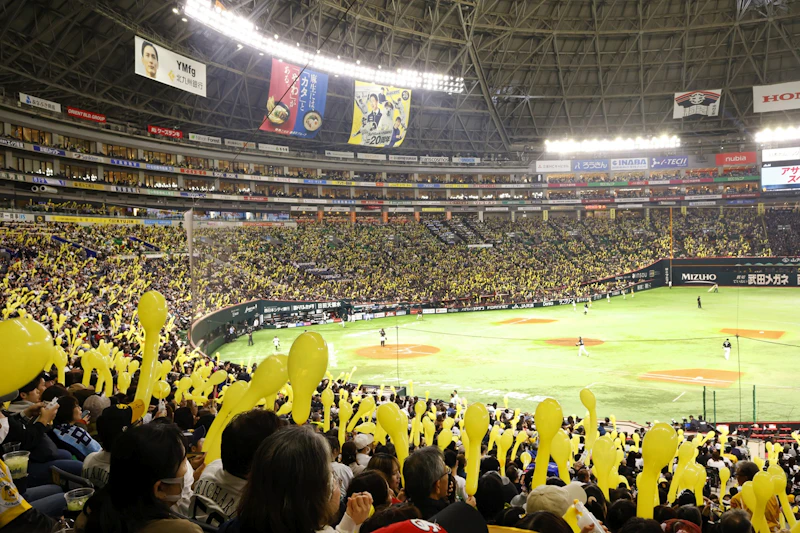
Spring Japanese professional baseball begins with team building during February spring training camps, with March featuring exhibition games where new players and opening roster members become apparent. In 2026, exhibition games run from February 21 to March 22, the official season opens on March 27, and Interleague Games between Central and Pacific Leagues are held from May 26 to June 14. Opening games in particular often feature ace pitcher matchups and frequently include special events and giveaways, making them among the most popular games of the year.
When attending baseball games, you can enjoy not just the baseball but also eat specialty foods and buy limited merchandise at the venue before games. For first-timers, choosing easily accessible locations like dome stadiums or urban ballparks is recommended. Enjoy while following guidance for photography and cheering, and be considerate of others by taking your trash with you.
4-2. ZAKURO SHOW
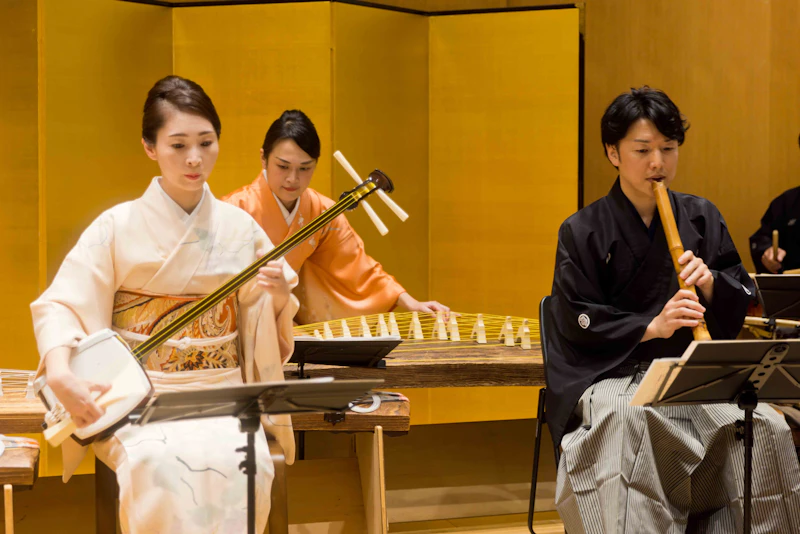
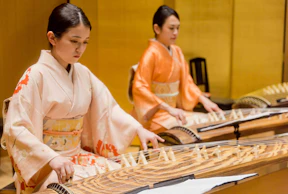
ZAKURO SHOW is a traditional Japanese instrument concert in Tokyo's Omotesando/Harajuku area where visitors can experience Japanese traditional instruments (koto, shamisen, shakuhachi, wadaiko) up close. Beginning in November 2018, regular performances resumed in spring 2023. Centered around traditional Japanese musicians who graduated from Tokyo University of the Arts, the show features repertoire and composition designed to be accessible to international travelers.
Performances last about one hour, with Program A at 5:00 PM and Program B at 7:00 PM featuring different repertoires. Tickets can be purchased through Tickets in Japan. Check the official website's event schedule for performance dates and venues, and arrive with plenty of time before the start. Since Programs A and B have different content, if time permits, watching both consecutively allows you to enjoy the differences.
●Buy Tickets
4-3. Cherry Blossom Viewing
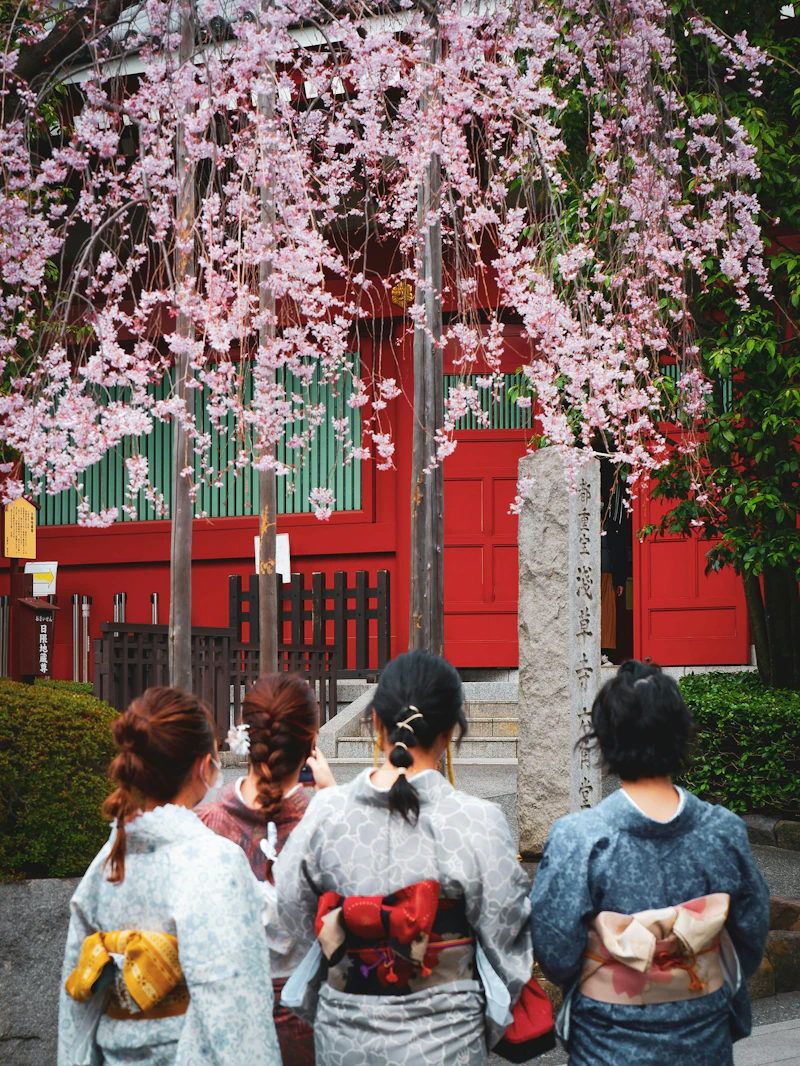
Cherry blossom viewing is a classic Japanese spring activity where people enjoy meals and conversation while viewing flowers in parks and along rivers during cherry blossom season. Blooming progresses from south to north, beginning in most regions from late March to early April, with Hokkaido sometimes starting from late April onward.
Popular ways to enjoy include daytime picnics and nighttime night cherry blossom viewing with illumination. Convenience store lunch boxes and food stall snacks are perfectly adequate for enjoyment. Since temperature differences can be significant, prepare outerwear, and having a leisure sheet and small trash bag provides peace of mind. For crowded famous spots, arrive early, check space-saving policies and drinking rules. Always take trash with you, and be considerate of surroundings by not shaking trees or breaking branches.
Summary
Japan's spring features continuous events celebrating different regional "beginnings of spring." March brings Hina Matsuri, good luck charm markets, and snow and ice festivals; April features dance, floats, historical processions, and cherry blossom events; and May offers large-scale festivals coinciding with Golden Week holidays that color various regions. Understanding parade routes, times, and traffic regulations makes viewing smoother. At crowded venues, early action, preparation for cold weather and rain gear, and consideration like taking trash with you contribute to a safe experience.
Adding professional baseball games, traditional Japanese instrument concerts, and cherry blossom viewing to your travels deepens the seasonal experience. Since schedules and content vary by year, check official information before departure.
※This article is based on information as of January 2026